
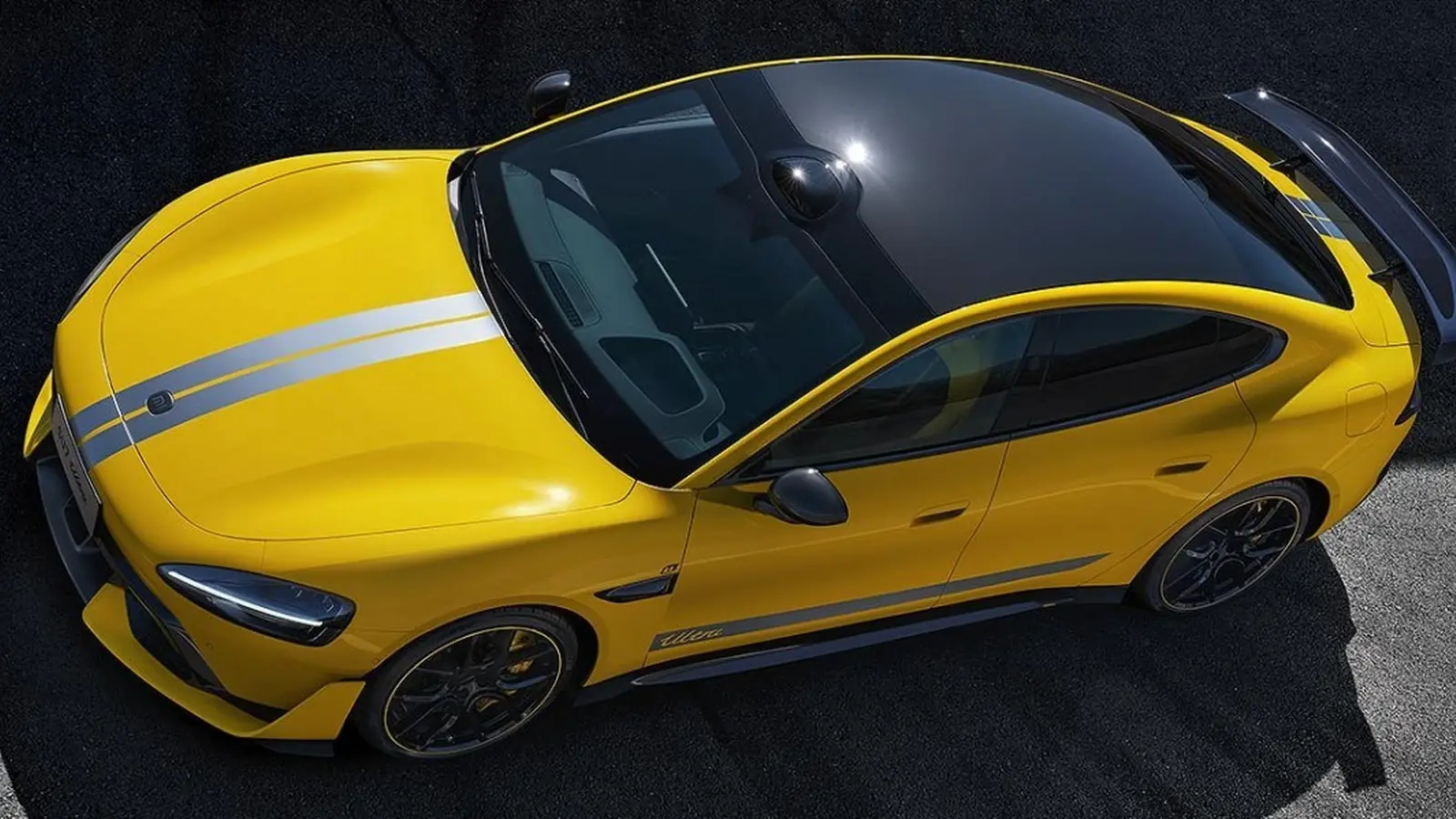
At IFA Berlin the lights were clinical, the booths immaculate, and then Xiaomi Auto walked in and refused to play small. It did not launch a manifesto or a glossy ecosystem pitch. It brought a plan that smelled of pragmatism more than hype: partnerships, Nürburgring test runs, and cars that already sell in their hundreds of thousands.
Can a consumer-tech giant convince cautious German drivers to consider a new badge? Xiaomi thinks so. Instead of repeating the direct-sales experiment that sank so many EV hopefuls, Xiaomi signed memorandums with eight of Germany's largest dealer groups, names European buyers trust. The move buys more than sales space. It buys credibility and a service network ready for the moments when things go sideways. That matters more in Stuttgart than it does in Shenzhen.
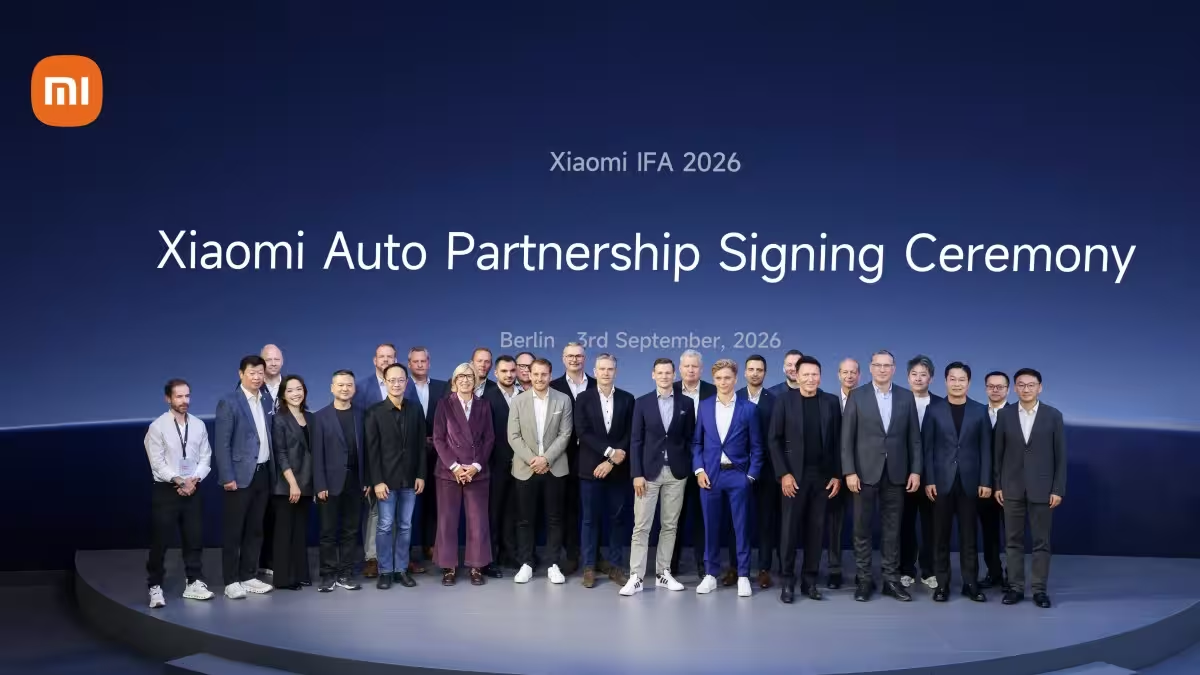
Moving into Germany's backyard
The delivery numbers are absurd if you grew up on automotive skepticism. From announcement to first customer cars took three years. Since then, Xiaomi has shifted over 700,000 vehicles in mainland China. The SU7 saloon alone notched 500,000 deliveries in just under two and a half years while winning repeated quality nods. Rapid? Yes. Reliable? The company is trying hard to prove it.
And the SU7 is deliberately provocative. Long, low, and planted, it measures in a footprint that sits cheek by jowl with the Porsche Taycan and BMW i5. Lines are deliberate. Space is generous. The single-motor rear-drive SU7 weighs about 1,981 kg, the dual-motor Max about 2,204 kg, and the three-motor Ultra clocks roughly 2,361 kg. Those figures land it in the same ballpark as established German rivals, which is exactly the prescription: look familiar, feel premium, and undercut where possible.
Price is the lever. In China the base SU7 started at roughly €30,200 while the Ultra approached €113,200. Expect European showrooms to reset those figures after shipping, homologation, and taxes. Industry estimates point to about €54,300 to €69,000 for standard models and perhaps north of €150,900 for the Ultra. Context helps: a Porsche Taycan can begin around €110,400 before options, and a BMW i5 sits near €75,400 for entry-level trims. Xiaomi is clearly aiming at value-conscious buyers who still want the cachet and performance of a premium EV.

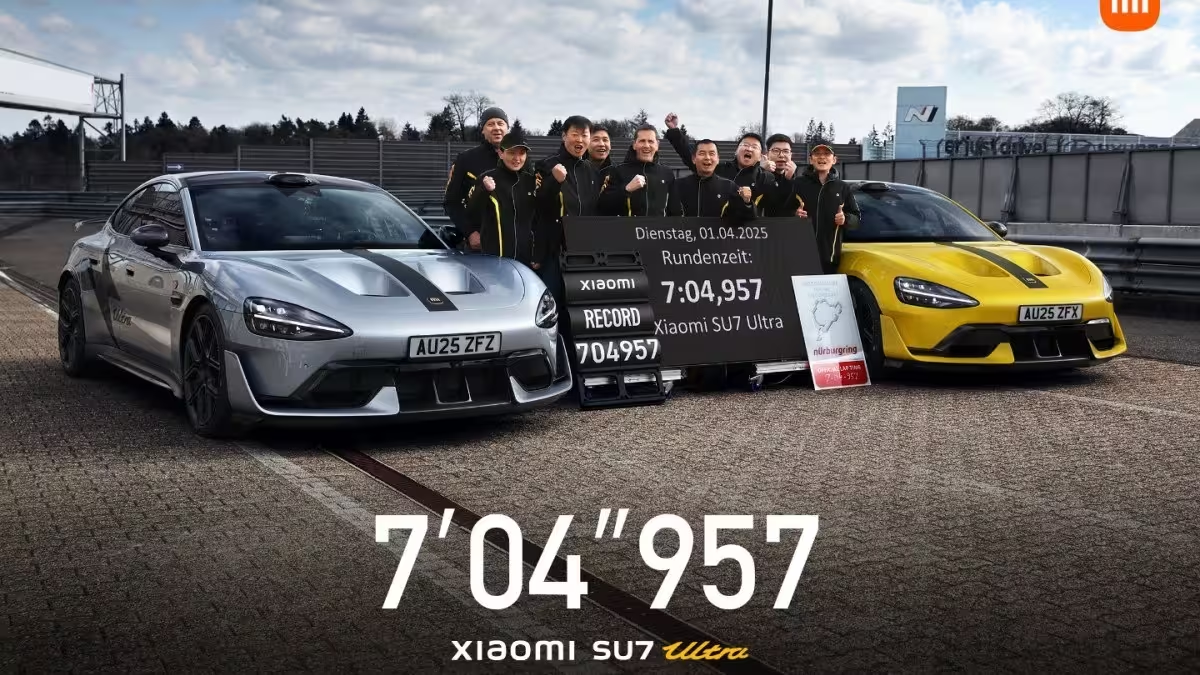
Performance claims are not just marketing copy. The SU7 Ultra with a Track Package ran the 20.8-km Nordschleife in 7 minutes and 4.957 seconds, earning a record among electric executive cars. That lap time opens eyes. It says Xiaomi is serious about chassis tuning and not merely about software polish or infotainment bells.
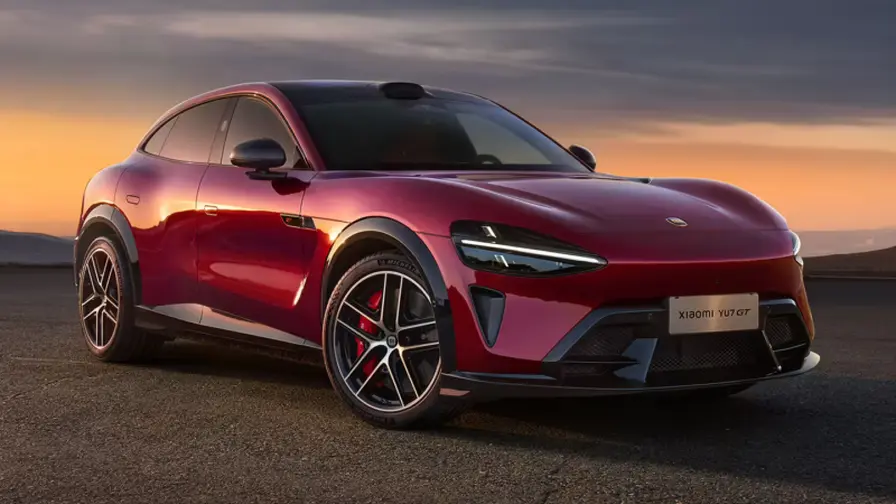
The attack is two-pronged. The YU7 SUV is the model likely to unsettle fleet managers and buyers who want space without compromise. At about 5,302 lb in all-wheel-drive trim, its presence is substantial: longer and wider than many new electric compact luxury SUVs and closer in footprint to full-size cruisers. Demand in China was instant and huge. Europe will watch closely.
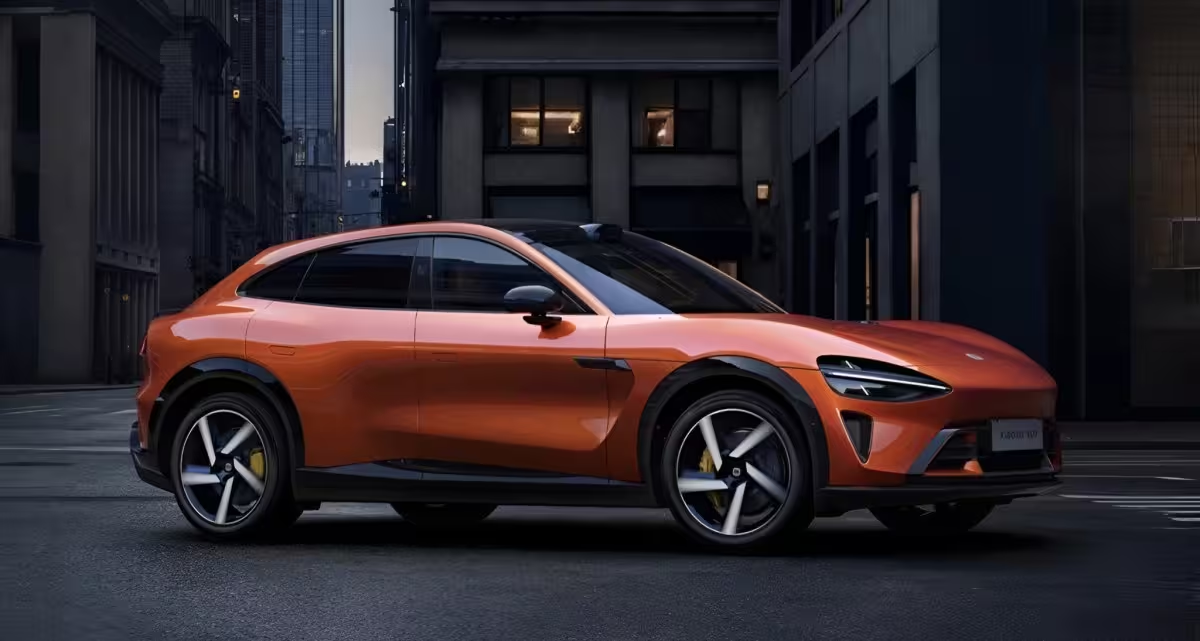
Technology experiments arrive in public too. The YU7 GT completed a full lap of the Nordschleife under autonomous control in 10 minutes and 29.483 seconds. Call it a showpiece if you like. It is also a clear signal: sensor fusion and chassis control are not afterthoughts but part of the product story Xiaomi wants to tell.
Perhaps the most telling move is the adoption of range-extended electric architectures for part of the lineup. The SkyNomad family, built on the Kunlun HyperRange architecture, combines an electric-first drivetrain with an onboard generator to bridge charging deserts across parts of Southern and Eastern Europe. It is a pragmatic fix rather than a philosophical retreat, and it shows Xiaomi is listening to real-world European use patterns.

There is also work on the ground. A European R and D center in Munich is already active. Engineers are adapting suspension, calibrating driver assistance systems, and learning the subtle taste for how a German customer expects a car to feel. Politics and protectionism remain wildcards. Convincing a lifetime Audi or Mercedes buyer to switch will take more than price and lap times. It will demand trust, proven service, and years of consistent experience.

The question most people will ask next is simple: will there be right-hand-drive cars for the UK? No official answer yet. For British buyers it is a moment to watch closely. For the continent, Xiaomi's approach is both blunt and calculated: partner with trusted dealers, prove the hardware on famous circuits, and adapt powertrains to fit regional realities.
Xiaomi is not merely entering Europe; it is building the scaffolding to be taken seriously here, and that intent alone changes the game.

“Cars are evolving faster than ever. I cover electric vehicles, smart mobility, and the future of transportation worldwide.”

Discussion
Leave a Comment
Comments (2)
Wow, full Nürburgring runs and dealer deals? Xiaomi went all in. Hope UK gets RHD tho, can't wait to test drive one...
Wait, 700k cars in 3 years? sounds unreal, but Nürburgring times do make me pause. Can they fix real-world faults though, and keep service up to par?