
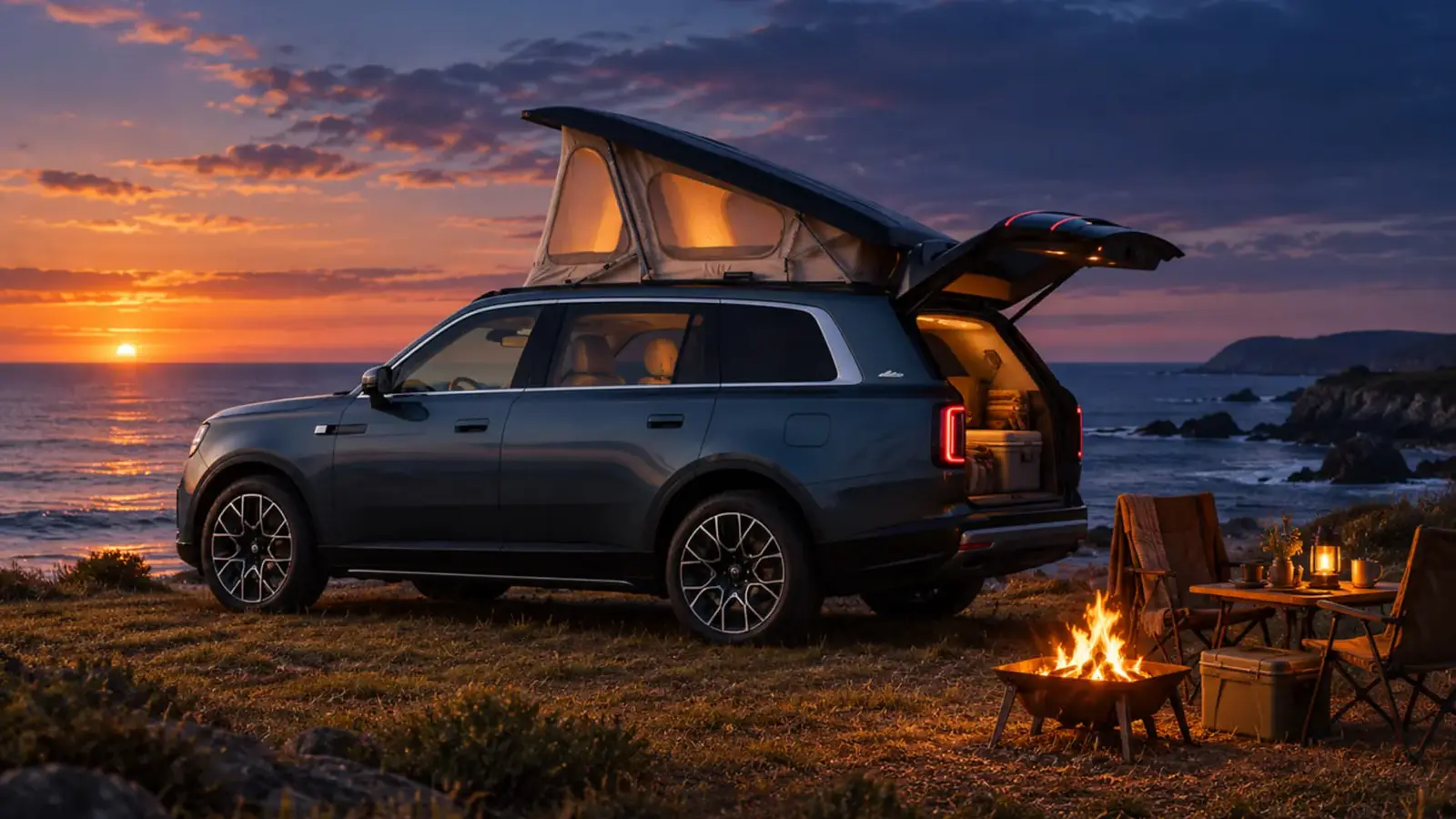
Imagine pulling up to a windswept lake at dusk, flipping a lever on the roof, and watching a full pop-up camper hatch into life. That’s the image Xiaomi wants to plant in your head with the Skynomad N90 Max Explorer Edition — a seven-seat SUV that mixes long-haul range with genuine camping gear.
A big SUV that thinks like an outdoor van
Yes, it’s roomy. And yes, Xiaomi stamped the cabin with some of the brand’s gadget-first thinking. But the N90 Max is not just a tech demo. Behind the playful rooftop tent and slideable center console is a serious engineering package: a 1.5-liter turbo range-extender paired with a dual-motor electric drivetrain, a 76 kWh NCM battery pack, and claimed combined range of 1,705 kilometers. That number will turn heads on road trips.
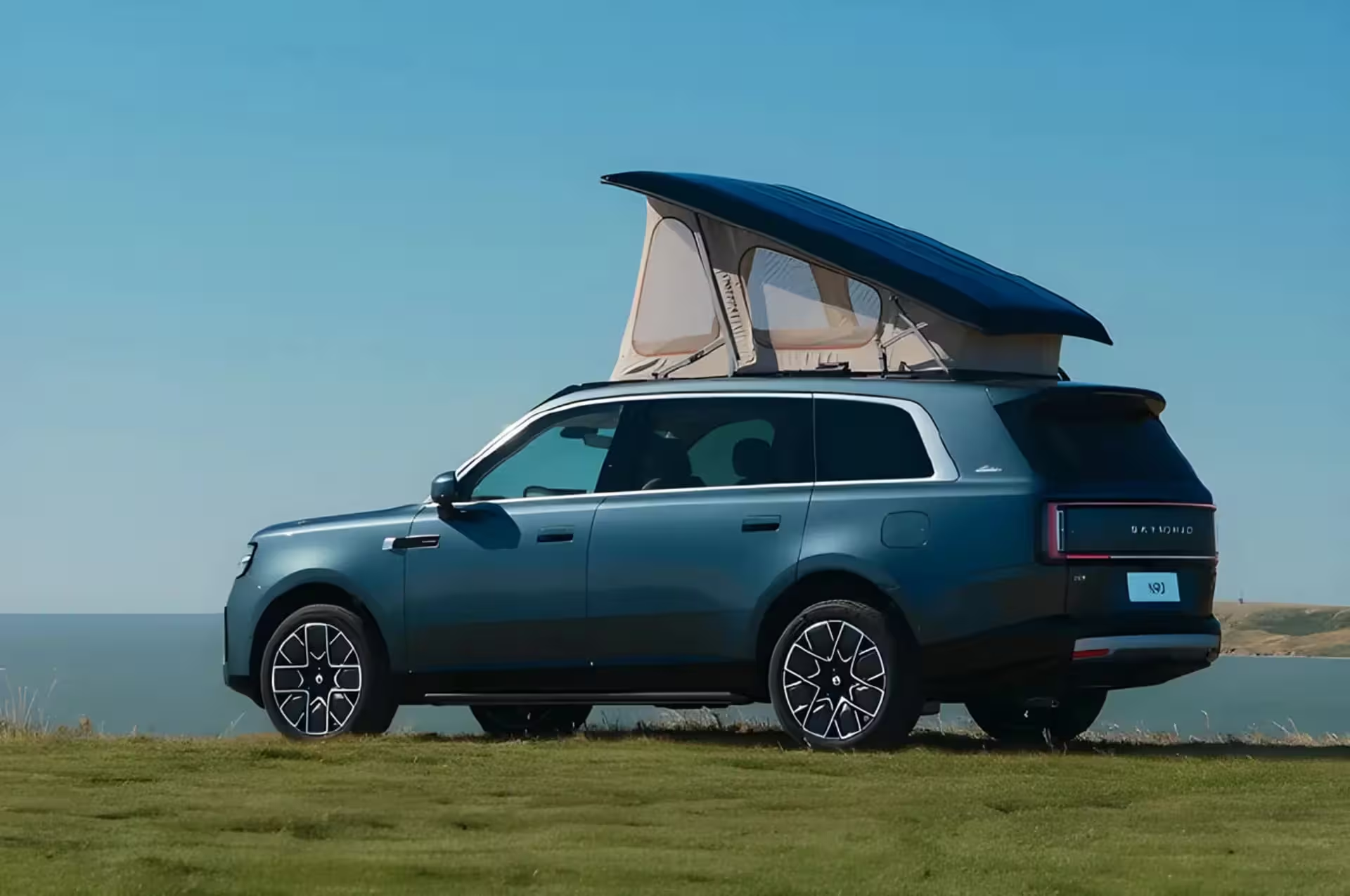
Which model you choose matters. The Explorer Edition, fitted with a one-piece electric roof pod for camping, starts at approximately €40,600. The standard N90 Max begins near €36,500. Those prices put it into striking distance of mainstream premium SUVs while offering specs few rivals match.
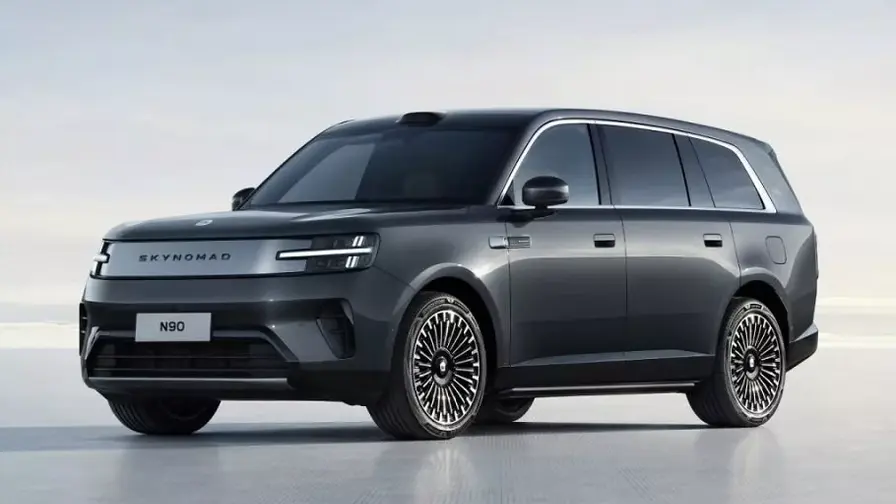
On the outside, Xiaomi didn’t shy away from dramatic details. The front end sports what the company calls Dragonfly lights in a cross layout, with daytime running lamps stretching toward the corners. Claimed high-beam range is 624 meters, and the low beam pattern covers a broad 180-degree angle. Aerodynamics are surprisingly sharp for a large SUV, with a drag coefficient of 0.255 on paper. The car measures 5,285 mm long, 1,998 mm wide and 1,825 mm tall, riding on a 3,080 mm wheelbase.

Off-road thinking is present too. Integrated hood air intakes and sealing let the N90 Max wade into water up to 750 mm deep, and Xiaomi says there’s an emergency flotation capability if you ever overestimate a river crossing. Wheels are 21 inches as standard, with staggered tire sizes: 255/45R20 up front and 265/45R21 at the rear.

Interior that doubles as a travel workshop
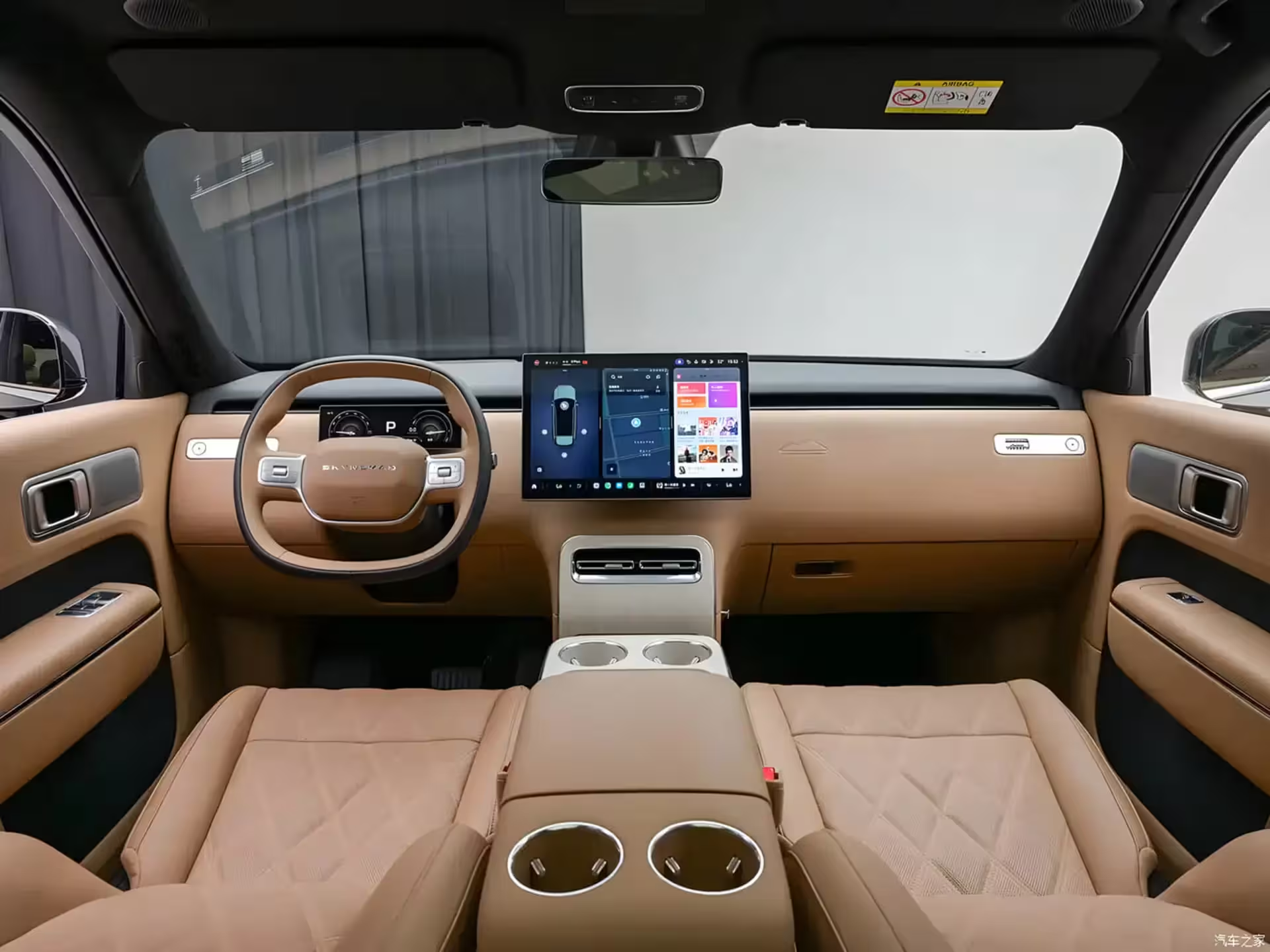
Open the doors and the N90 Max reveals a cabin built for families and small expedition crews. Seats are arranged 2+2+3 and can be configured into 11 different layouts. Cargo volume swells to 1,831 liters with the seats folded. First and second row seats borrow a ’zero-gravity’ theme and offer massage, ventilation and heating — a comfort-forward touch on long drives.
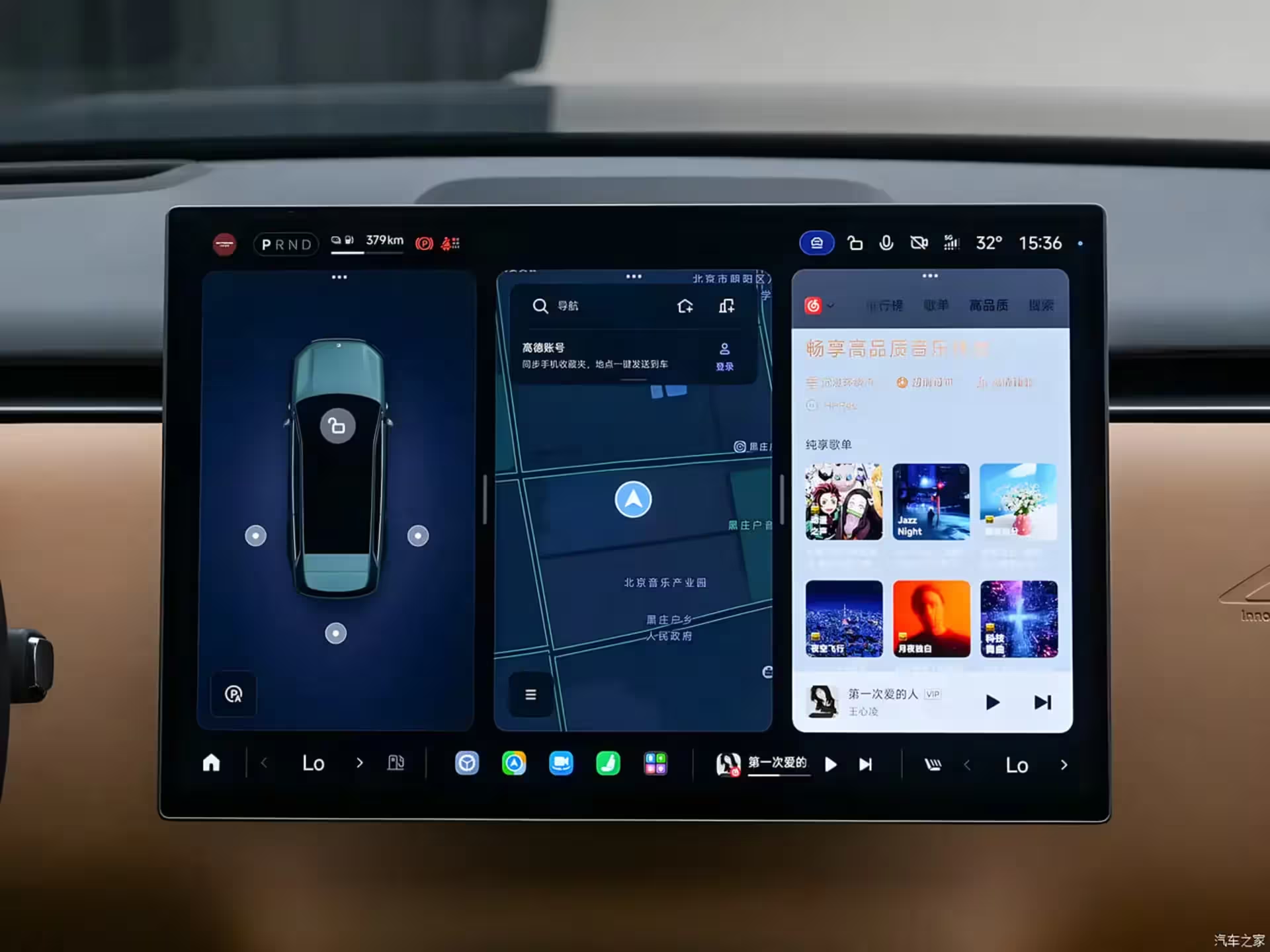
The cockpit centers on a 16.1-inch display running Xiaomi’s HyperOS with a Qualcomm 8650-based chipset. The center console slides on rails and houses a 9-liter compressor fridge plus a suite of modular interfaces Xiaomi calls an environmental expansion platform. Translation: this cabin is intended for work, play and sleeping, not just point-A to point-B hauling.
- Powertrain: 1.5L turbo range-extender + dual motors (front: 210 kW / 282 hp, rear: 100 kW / 134 hp).
- Battery: 76 kWh NCM; CLTC pure-electric range 464 km; combined range 1,705 km.
- Fast charge: adds about 285 km in 15 minutes (claimed).
- Fuel consumption when battery depleted: 6.26 L/100 km (WLTC).
- Sensors: roof LiDAR, rear solid-state LiDAR, 4D millimeter-wave radar, 11 high-res cameras, 12 ultrasonic radars.
All that sensor hardware supports advanced driver assistance features, from highway pilot functions to automated urban driving aids and park assist. In short: Xiaomi is pushing its experience with phones and AI into how the car sees and reacts to the world.
If you want an electric SUV built around camping and long-distance travel, the N90 Max is one of the boldest entries so far.

There are questions remaining. Real-world efficiency, long-term durability of that rooftop mechanism, and how well the combination of range-extender and battery performs under sustained loads — these are things reviewers and early buyers will unpack in months to come. But the ambition is clear: Xiaomi wants its SUV to be both a weekend camper and a credible long-range cruiser.

So, who is this for? Families who want flexibility. Overlanders who still crave comfort. Tech buyers curious to see a consumer-electronics maker apply polish to an SUV. Xiaomi has taken a familiar formula — seven seats, large battery, electric motors — and added camp-ready hardware plus a focus on range that challenges the typical trade-offs between EV distance and practicality.
Will it change how we think about adventure vehicles? Maybe. At the very least, it raises the bar for what a consumer EV can pack into one package: utility, novelty and an appetite for the open road.

“Cars are evolving faster than ever. I cover electric vehicles, smart mobility, and the future of transportation worldwide.”

Discussion
Leave a Comment
Comments (2)
Is this even true? 1.5L range extender + 464 km battery sounds solid, but 1,705 km combined? How much will the roof pod hurt efficiency, long term durability? curious
wow didn't expect Xiaomi to go full camper SUV. Roof tent idea is wild, but 1,705 km claim? hmm, show me real world tests. Also that LiDAR stack is nuts