
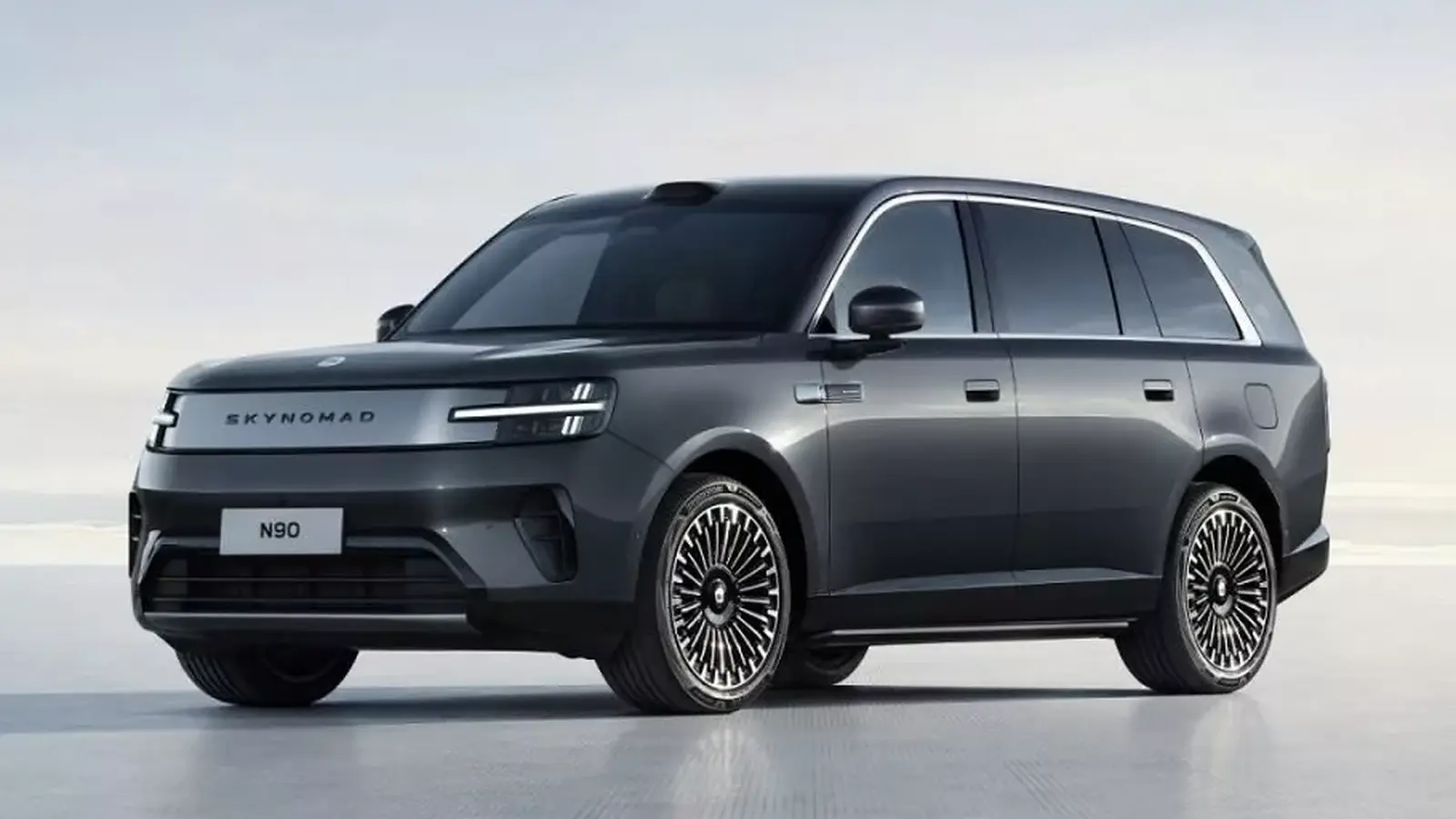
Imagine pulling into a lakeside clearing, folding back a pop-up roof and stepping into a living room on wheels. That image is exactly what Xiaomi hopes to sell with its new SkyNomad crossovers.
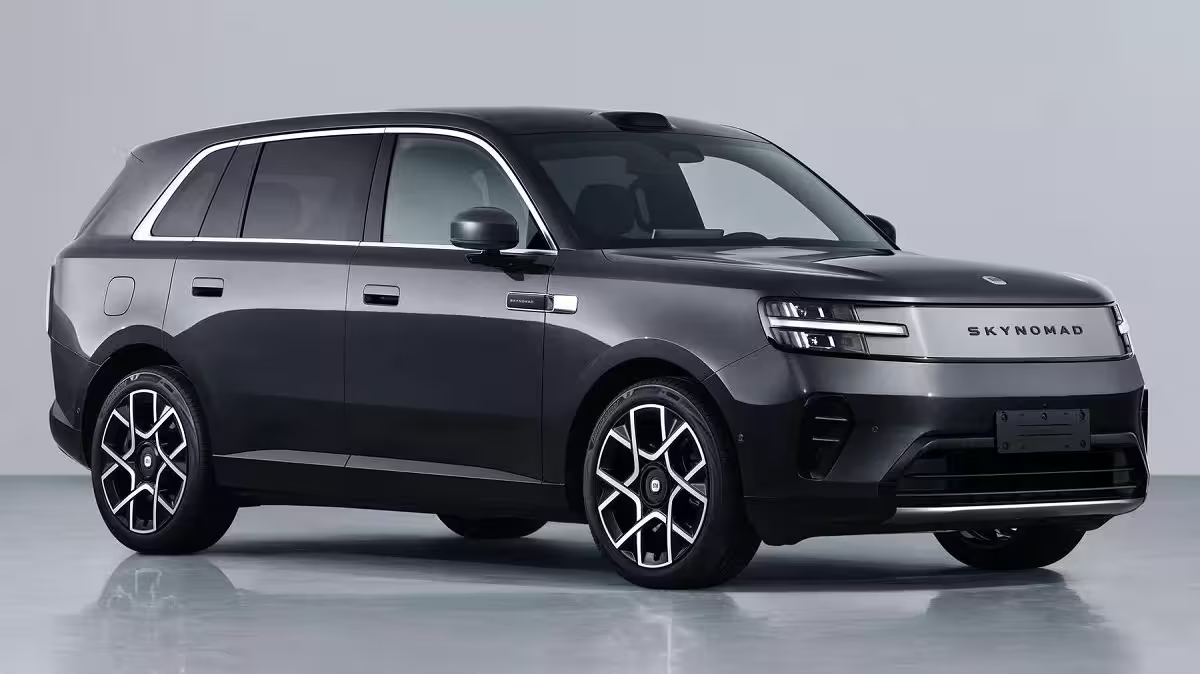
SkyNomad is the brand Xiaomi created for premium extended-range electric vehicles. The first two models, the full-size N90 and its smaller sibling, the N70, are poised to arrive with roomy cabins, flexible interiors and a pricing strategy engineered to unsettle rivals.

From founder posts to showroom floors
Lei Jun, Xiaomi’s founder, has been unusually candid about the project on his Weibo feed. He says Xiaomi’s current EVs — think the SU7 and YU7 — are driver-centric and share a common platform. SkyNomad will be different. The focus here is comfort, modular space and options that bend the cabin to the owner’s needs.
Official images of the N90 have already leaked in Chinese automotive media. Under the skin it’s an extended-range electric vehicle where a 1.5-litre turbo petrol unit functions as a generator rather than a direct drive motor. The idea is simple: electric drive for traction, petrol for charging and range confidence.
Xiaomi plans aggressive introductory pricing to win market share and expects mass sales growth as it expands beyond China.
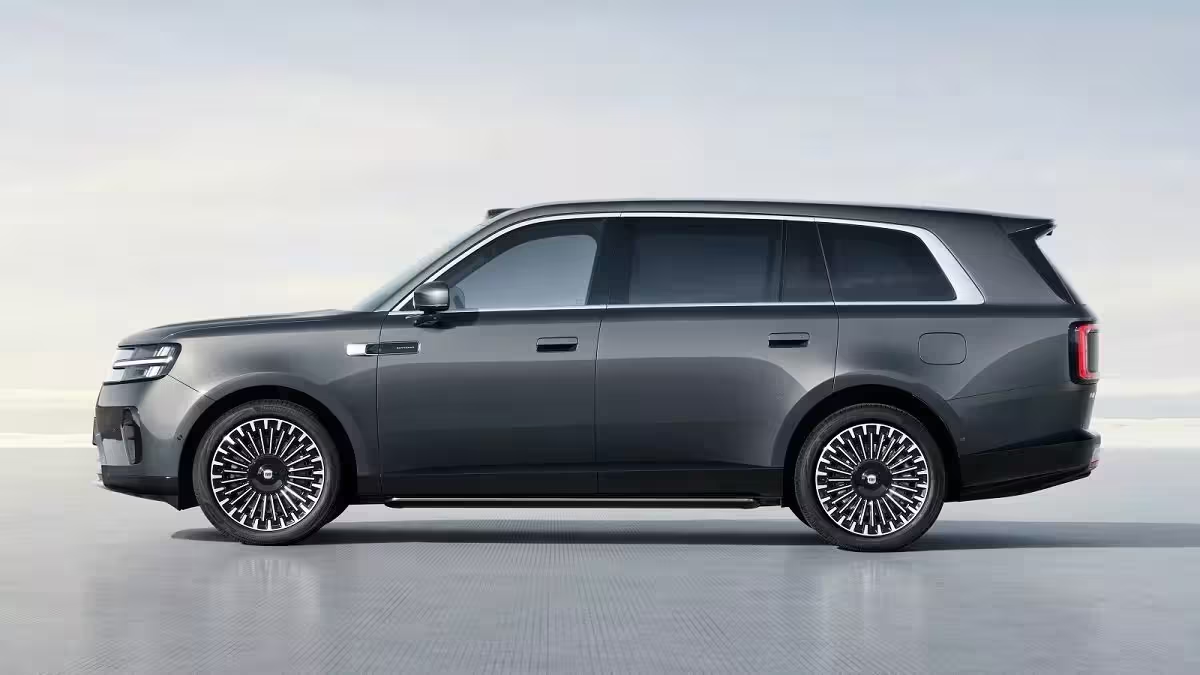
The N90 is pitched as a multi-purpose mobile space. Buyers get a default 2+2+3 seating layout that can be reconfigured into a conference room, a compact studio or a sleeper cabin. For outdoor enthusiasts there’s a camper variant with a raised roof and a pop-up roof tent sized for two people. Practicality meets imagination.

Performance figures underline the point. The larger N90 pairs dual electric motors — a 210 kW unit up front and a 100 kW motor at the rear — for a combined output of 310 kW (about 422 hp), capable of 0 to 100 km/h in roughly 6.3 seconds and a top speed around 190 km/h. Battery capacity sits at 76 kWh, delivering a WLTP pure-electric range of about 370 km (the camper version is rated at 363 km).

The N70 targets buyers who want many of the same traits in a smaller footprint. It measures roughly 4,960 mm long with a 2,950 mm wheelbase and comes standard as a five-seater. The base N70 uses a single 210 kW front motor and a 52 kWh battery for a WLTP electric range near 270 km. A two-motor N70 ups the output to the same 310 kW total and pairs with the 76 kWh battery to reach about 380 km on a single charge.
- N90 dimensions: 5,285 mm length, 1,998 mm width, 1,825 mm height, 3,080 mm wheelbase.
- N70 dimensions: 4,960 mm length, 1,998 mm width, 1,765–1,785 mm height, 2,950 mm wheelbase.
- Camper N90 height: 1,925 mm with pop-up roof and a two-person tent.
- Generator engine: 1.5-litre turbo, roughly 152 hp.
Numbers matter to Xiaomi. The company set an ambitious target of selling 550,000 cars in 2026. Through the first half of 2026 it sold 185,055 units, a year-on-year gain of about 17.2 percent, but still trailing the original plan. Current forecasts now point to roughly 411,837 cars for the full year unless momentum picks up.
Distribution remains China-first for now. Official exports begin in 2027, and Europe is the top priority for Xiaomi’s overseas push. That raises obvious questions: can a consumer-tech giant translate its software and price-playbook into sustainable automotive success on the continent? The SkyNomad twins are Xiaomi’s first real test.

They arrive with tidy engineering, creative interiors and a bold commercial play. The camper twist makes the N90 more than an SUV; it becomes a weekend escape vehicle. Will buyers reward the gamble? Time — and showroom traffic — will tell.

“Cars are evolving faster than ever. I cover electric vehicles, smart mobility, and the future of transportation worldwide.”

Discussion
Leave a Comment
Comments (2)
Is this even true? agressive pricing sounds like a loss leader, and that generator setup feels like code for extra maintenance, if that's real then... hmm
Whoa, a pop-up roof and a conference room in an EV? Xiaomi going full camping living room vibes, kinda wild but tempting... curious about real range tho