
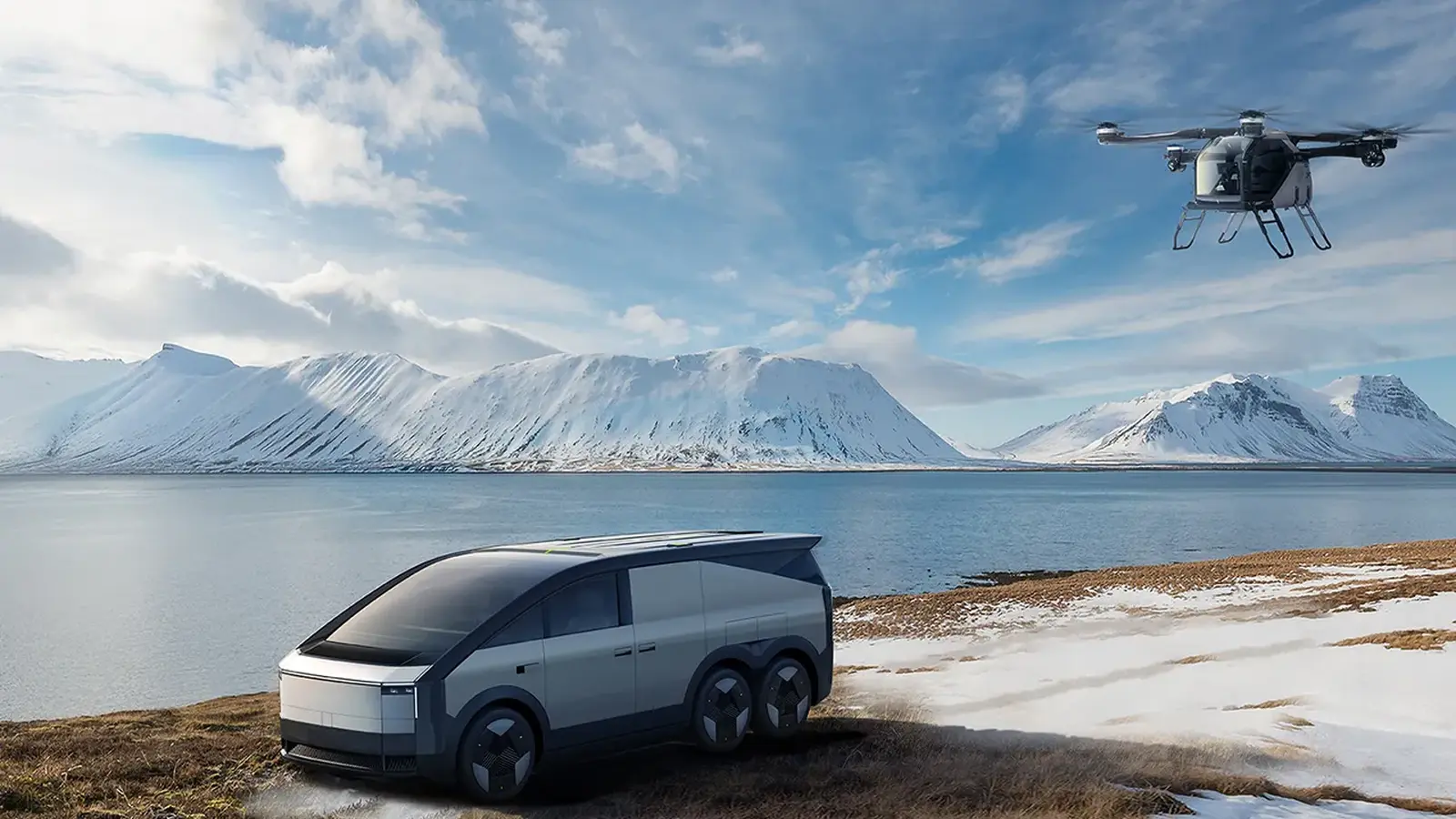
Imagine stepping into a glossy, winged cabin and lifting off from a rooftop curb as traffic snarls below. That day feels closer than you might expect. XPeng, the Chinese EV maker, has laid out an ambitious timetable: flying cars entering mass production in 2027 and humanoid robots rolling off assembly lines from late 2026.
XPeng plans mass production of flying cars in 2027 and humanoid robots from late 2026.
A timeline that's surprisingly close
Brian Gu, XPeng’s vice president, speaks with the kind of quiet urgency common to teams chasing new frontiers. He sees real opportunity with Volkswagen after the German automaker began mass-producing an EV jointly developed with XPeng last month. Collaboration, Gu says, is not an abstract strategy; it’s a practical route to scale—and fast.
So what’s happening on the ground? XPeng has collected over 7,000 reservations for its flying vehicles, mostly from Chinese buyers. The company is now working with national aviation regulators to secure the necessary approvals. At the same time, autonomous taxi trials are due to kick off this year in Guangzhou, the southern metropolis that often doubles as a proving ground for cutting-edge mobility tech.
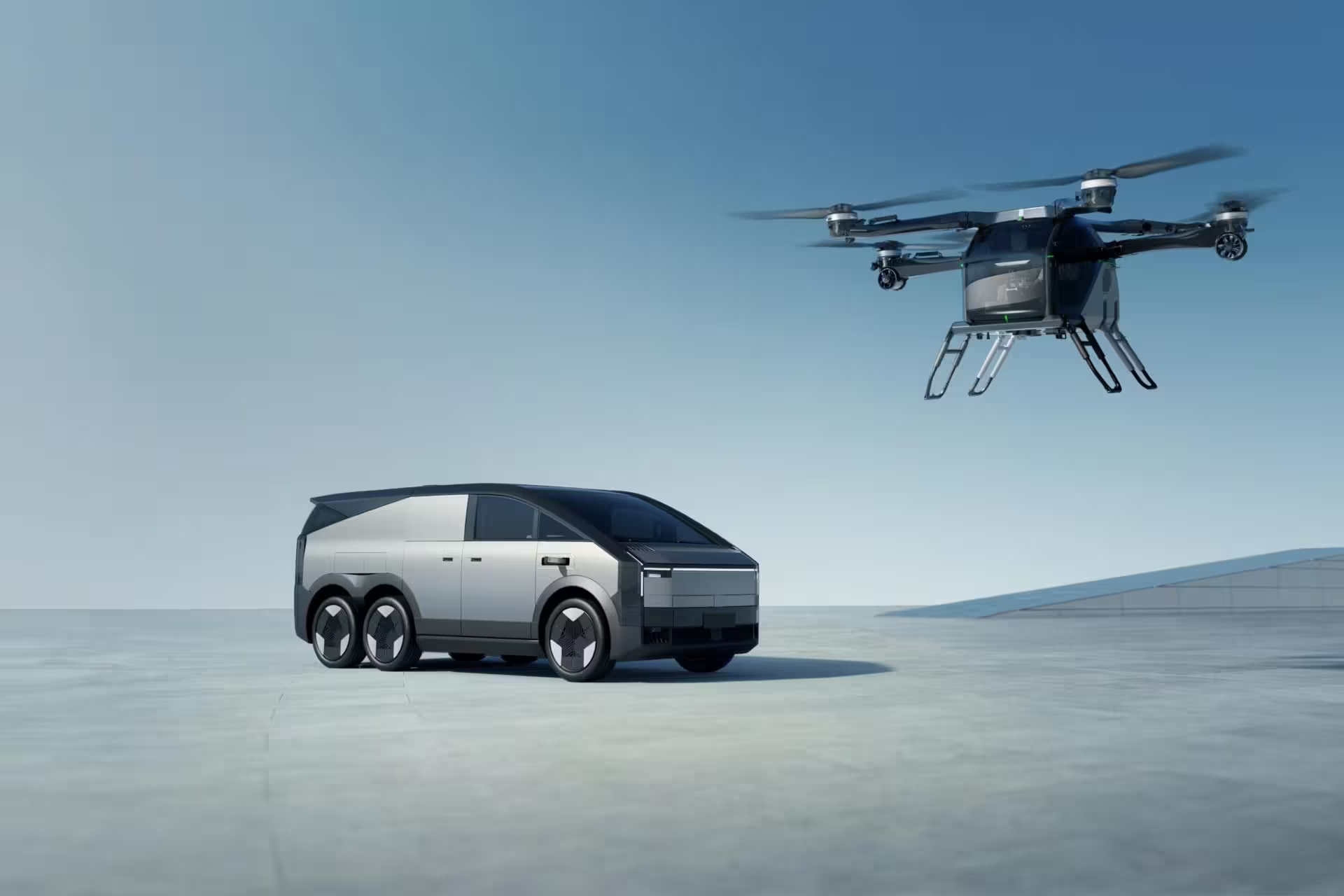
Expect an intense period in 2027. XPeng anticipates global tests with commercial partners and plans to ramp production of autonomous taxis from dozens to potentially hundreds—or even thousands—within 12 to 18 months. That’s a steep curve, but one the company appears ready to climb.
On another front, XPeng’s humanoid robots will first appear in everyday retail and reception roles—think greeters, information attendants, the sort of face-to-face help that’s low-risk but highly visible. Gu predicts the robotics division could outgrow the car business within a decade or two, arguing that humanlike machines will find far more everyday applications than a flying vehicle ever could.
There are obvious hurdles. Certification for airborne consumer vehicles is complex. Public acceptance and urban infrastructure will need time to catch up. Yet XPeng’s playbook—blend automotive experience, partnerships like the one with Volkswagen, and a staged entry into the market—reads like a pragmatic approach to a futuristic idea.
If XPeng delivers on its timeline, the next few years may feel less like science fiction and more like fast-moving industrial reality. The company's moves will be ones to watch, whether you follow EVs, autonomous transit, or the rise of practical humanoid robots.

“Cars are evolving faster than ever. I cover electric vehicles, smart mobility, and the future of transportation worldwide.”

Discussion
Leave a Comment
Comments
No comments yet. Be the first.