
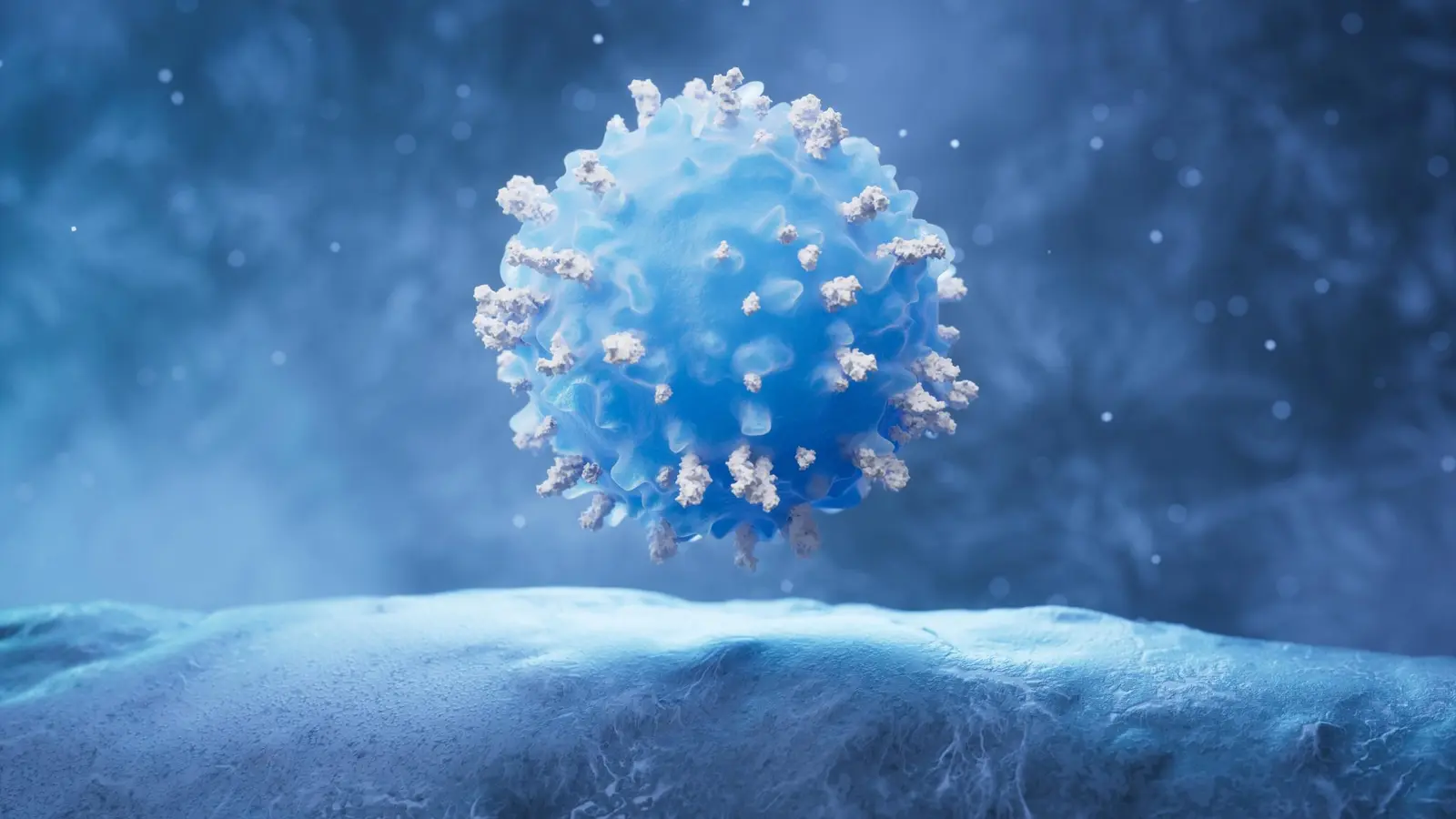
Picture the immune system as a nighttime patrol. For most of life it moves quietly, catching threats before we notice them. In older adults that patrol sometimes changes mission. Some cells slacken. Others start obstructing the guards. And now, researchers say, a previously hidden population of aging immune cells may actively suppress our defenses.
Mapping how defense cells derail with age
Scientists at Monash University used genetically informed mouse models to trace how CD8+ T cells, the cytotoxic cells that normally hunt infected and cancerous cells, alter their behavior over time. Instead of a single uniform decline, the team uncovered three distinct aging programs. Each program rewires the genetic instructions of T cells in different ways: some lose the capacity to recognize new threats, others fail to regulate immune activity properly, and a third group shows signs of deteriorating cellular maintenance.
That last category is particularly worrying. It does not just mean a cell is tired. Some aging CD8+ T cells acquire properties that allow them to interfere with their neighbors, effectively dampening local immune responses. In short, parts of the immune system may become antagonists to the whole.
'Aging is the largest single risk factor for cancer,' said Dr Daniel Thiele from the Monash Biomedicine Discovery Institute, describing why these changes matter. He and colleagues argue that understanding the molecular trajectories inside each cell gives researchers a more actionable blueprint for intervention than treating the immune system as a monolithic target.
What the discovery means for disease and therapy
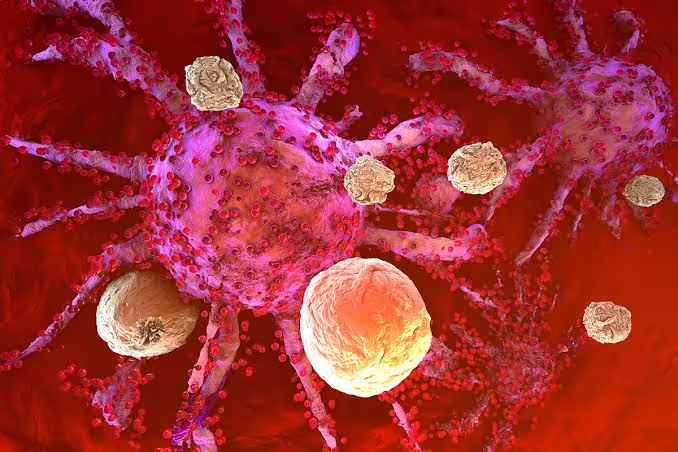
The results help explain two stubborn clinical patterns: rising cancer incidence with age and weaker vaccine responses in older adults. If subsets of T cells lose antigen sensitivity, the body misses newly emerging tumor cells. If other subsets actively suppress inflammation, infections can spread more easily and vaccines fail to trigger robust protection.
Rather than attempting to boost the entire immune system, the study suggests a different approach: identify and correct the specific aging programs that derail cell functions. That could mean restoring responsiveness in some cells, blocking suppressive signals in others, or improving cellular maintenance pathways to prevent breakdown.
The Monash team also linked these immune shifts to a separate finding involving granzyme K, a protein produced by certain immune cells. In parallel work, granzyme K appeared to drive organ damage in aging mice. That raises the possibility that altered immune behavior contributes directly to tissue aging beyond infections and cancer risk.
Translating these insights to humans will take time. The current evidence is preclinical and derived from mice, but it provides concrete molecular targets that drug developers can test. Any realistic therapy would likely aim to reprogram specific T cell subtypes rather than blanket stimulation, a strategy that could reduce side effects and improve effectiveness.
Expert Insight
'This study redraws how we think about immunosenescence,' said Dr Maya R. Singh, a clinical immunologist not involved in the research. 'It shows aging is not merely a loss of force but an active reshaping of cellular roles. That distinction matters because it points to targeted fixes. If a subset of cells turns suppressive, we can look for ways to neutralize that behavior without revving up the whole immune system.'
Dr Singh added that tools such as single-cell gene expression profiling and lineage tracing make these discoveries possible. 'Those techniques let us see which cells follow which aging paths. The next step is to test interventions in realistic disease models and then carefully in human tissues.'
Conclusion
The Monash study reframes immune aging as a diverse set of cellular programs, some of which actively undermine immunity. By unpacking these programs, researchers reveal targets that could someday protect older adults from cancer, infections, and perhaps even aspects of organ aging. The path from mouse model to human therapy will be gradual, but this blueprint gives scientists specific directions to pursue.


“My work centers on sustainability, energy, and environmental science — examining how innovation can lead to a greener future.”
Discussion
Leave a Comment
Comments (1)
Whoa, immune cells turning on their neighbors? Wild. If parts of immunity become antagonists, elderly care needs a rethink. hmm