

A quiet chemical trace in blood samples taken almost a decade before diagnosis now points to a possible environmental nudge toward liver cancer. The signal was subtle. Persistent. And it came from two PFAS compounds that have received far less attention than the usual suspects.
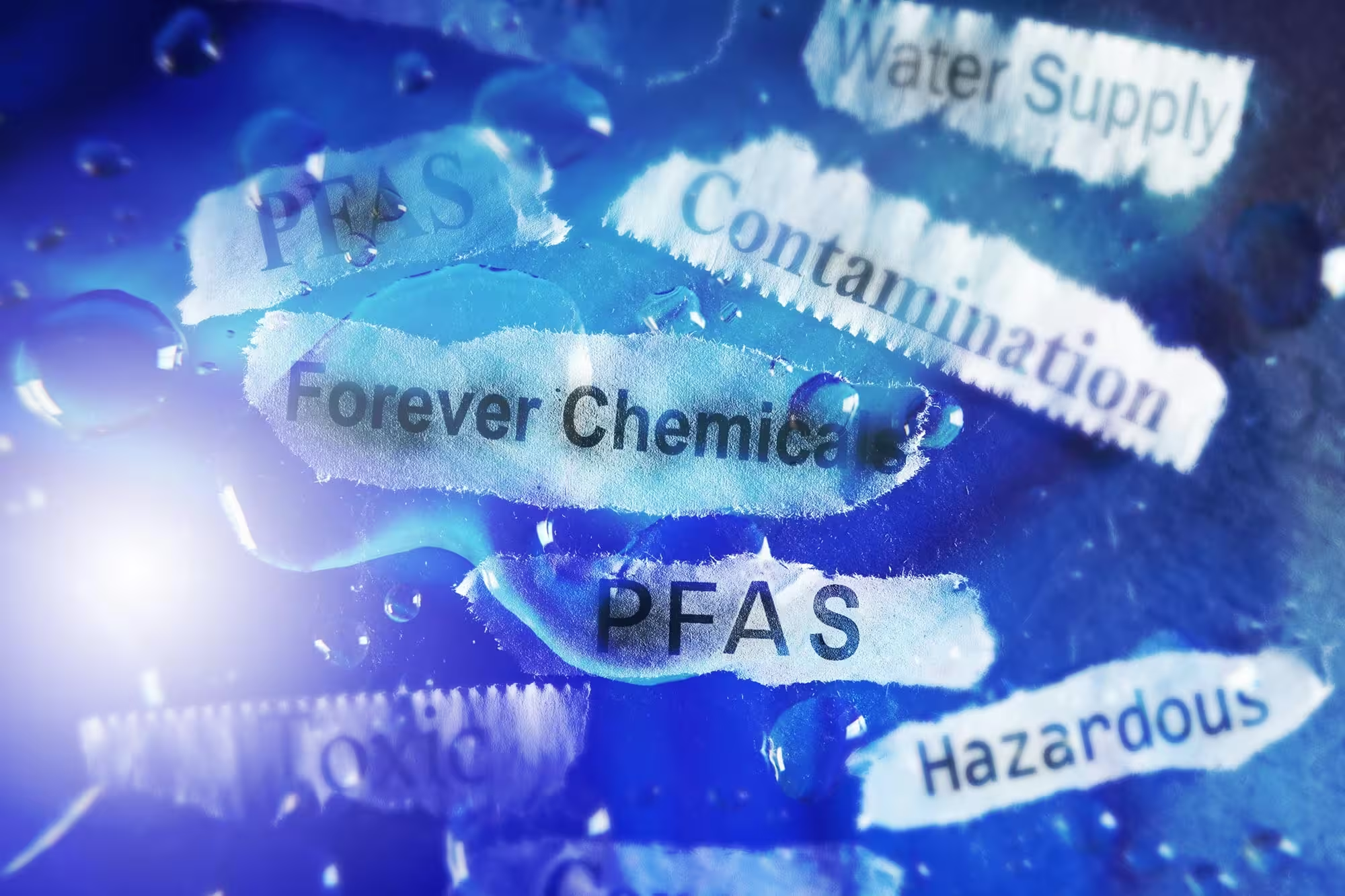
Forever chemicals, known as per- and polyfluoroalkyl substances (PFAS), are a large group of synthetic chemicals used in everyday products such as nonstick cookware, food packaging, and water-resistant fabrics.
Hidden exposures, visible outcomes
Researchers at the University of Southern California examined stored blood from people who later developed hepatocellular carcinoma, the most common form of liver cancer, and compared them with matched controls. The samples were drawn an average of 7.8 years before cancer diagnosis as part of the Multiethnic Cohort Study, a long-running population study in California and Hawaii. Out of a dozen PFAS measured, two chemicals stood out: perfluoroheptanoic acid, abbreviated PFHpA, and perfluorononanoic acid, PFNA.
People with the highest blood levels of PFHpA or PFNA had roughly two to two and a half times the odds of developing liver cancer compared with those with the lowest levels. That is not a tiny uptick. It is the kind of signal that demands further scrutiny and, at minimum, prompts public health conversations about exposure reduction.
Why this matters for fatty liver disease
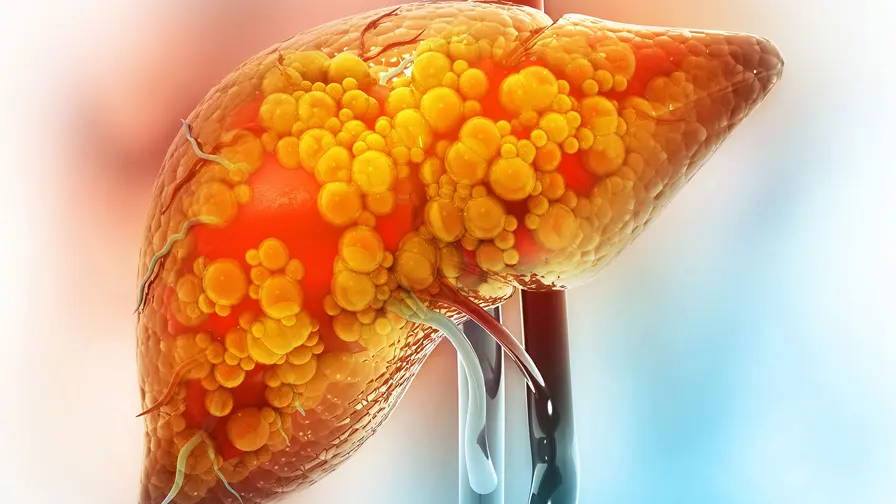
Liver metabolism and genetic risk came into focus as modifiers of this association. The team analyzed genetic markers linked to metabolic dysfunction associated steatotic liver disease, commonly called MASLD or fatty liver disease. The link between PFHpA and liver cancer was far stronger among people with high genetic susceptibility to MASLD than among those with low susceptibility. That suggests a two step process: inherited vulnerability in fat handling in the liver, and then chemical exposure that amplifies that vulnerability.
MASLD begins with fat accumulation in liver cells. Over years that can progress to inflammation, scarring, and ultimately cancer. Because MASLD is becoming a leading cause of hepatocellular carcinoma in many countries, any environmental factor that worsens liver fat metabolism is worth investigating.
What the study measured
The analysis included 223 cases of hepatocellular carcinoma and 223 matched controls. Twelve PFAS were quantified in blood plasma. While well known legacy PFAS such as perfluorooctanoic acid and perfluorooctanesulfonic acid have dominated research and regulation for years, PFHpA and PFNA are less studied. PFHpA in particular was introduced as an alternative after some older compounds were phased out, which raises questions about the health profiles of replacement chemicals.
Because the blood samples were collected years before cancer appeared, the temporal order supports the idea that exposure preceded disease, though observational data cannot prove causation. Still, the lead researcher described the pattern as concerning because the strongest associations were not with the best known PFAS but with these newer ones.
Widespread exposure, targeted action
PFAS are pervasive. They show up in stain resistant fabrics, food wrappers, firefighting foams, and many household items. They resist degradation and accumulate in the environment and in human blood. Estimates suggest most people worldwide have detectable PFAS in their bloodstream, and PFAS contamination has been found in large numbers of public drinking water systems.
That ubiquity complicates mitigation, but there are practical steps individuals and communities can take. Filtering drinking water with certified filters for PFAS removal can reduce intake. Dietary and lifestyle measures that limit weight gain, reduce liver fat, and improve metabolic health may lower the combined risk for people with higher exposures. The study authors emphasized these points, noting the research offers actionable suggestions despite remaining uncertainties.
Policy and research gaps
Regulatory action has concentrated on a small subset of the PFAS family. That focus leaves many replacement or less-studied PFAS underexamined. Senior scientists on the study argued the findings show why that narrow attention is risky. By studying only the chemicals we already know best, we may miss associations with health outcomes such as liver disease and cancer that new or understudied PFAS drive.
The USC team also reported that this paper is the first output from a federally supported program to investigate PFAS and liver cancer, backed by a grant of about €3.2 million. The project will expand to examine other environmental exposures and how a lifetime of chemicals might interact with genetics to influence cancer risk.
Expert Insight
'What stands out is the timing,' said Jesse Goodrich, PhD, assistant professor at the Keck School of Medicine at USC. 'These chemicals were present in blood long before cancer developed. That temporal gap gives us a clearer picture of exposure preceding disease, though it does not prove cause and effect.' He added that the strongest associations with newer PFAS compounds are especially worrisome because our toxicological understanding of these replacements is incomplete.
Vaia Lida Chatzi, MD, PhD, a senior author, observed that focusing on legacy PFAS alone is like reading only the first chapter of a book. 'PFAS is a very large family. You need to read the whole book to understand the plot lines that might lead to disease,' she said.
V. Wendy Setiawan, PhD, emphasized the value of diverse population studies. 'Drawing on the Multiethnic Cohort helps ensure findings reflect multiple ancestral backgrounds and lifestyles. That matters for public health planning,' she said.
Conclusion
This study adds a new piece to the PFAS and health puzzle. It highlights two compounds that have so far escaped the limelight but may play a role in liver cancer, particularly among people genetically prone to fatty liver disease. The results do not settle the question of causation, but they do point to practical routes for reducing risk and to urgent needs for broader chemical surveillance, further epidemiological work, and toxicology research on replacement PFAS.
For now, clinicians, public health officials, and individuals can consider the evidence when making decisions about screening, exposure reduction, and metabolic health management. The longer-term policy takeaway is clear: monitoring and regulation must expand beyond the handful of legacy PFAS if true prevention is the goal.


“The cosmos has always fascinated me. I write about space missions, astronomy, and the technologies pushing humanity beyond Earth.”
Discussion
Leave a Comment
Comments (1)
wow, PFHpA and PFNA? didn't expect replacements to show up like this. kinda terrifying, esp if you already have fatty liver risk…