

A tablet that once kept an eight year old quiet at a grocery checkout may have done more than buy a few minutes of calm. Over the long haul, some screen-based habits appear to shape cognitive skills in ways parents and teachers might not expect.
That is the central, somewhat counterintuitive message from an eight year follow-up of Finnish children enrolled in the PANIC study. Rather than a simple warning about hours logged on devices, the results invite a closer look at what kids actually do with screens and how those activities interact with other parts of childhood life.
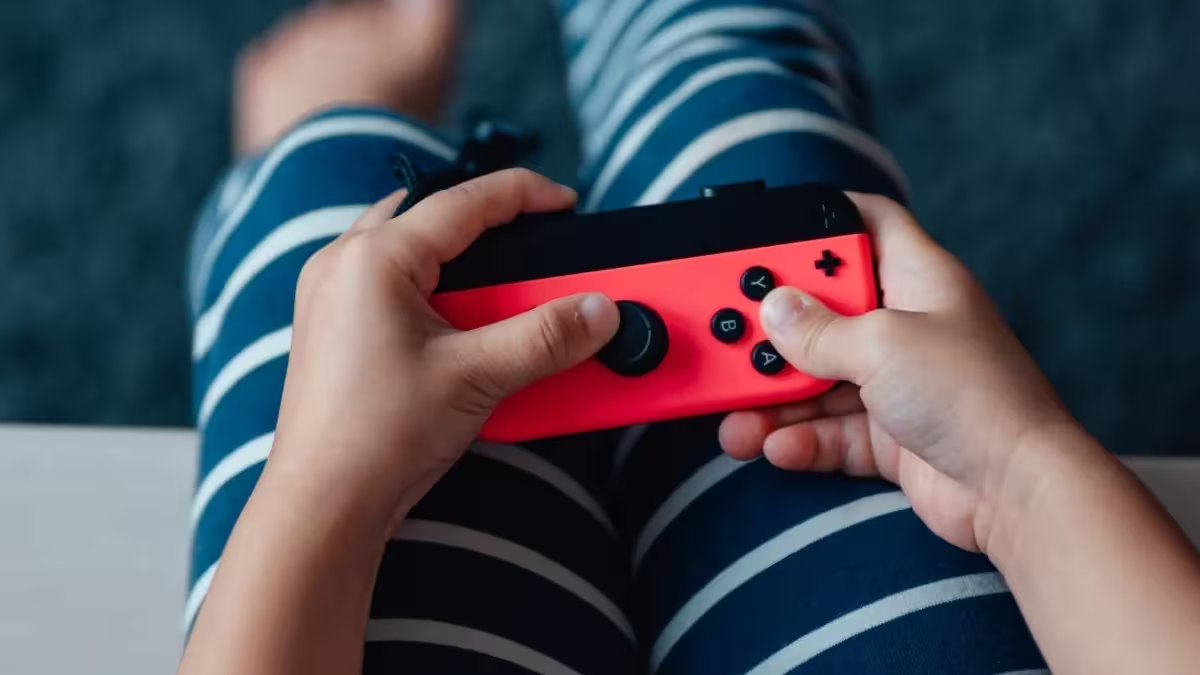
Not all screen time is necessarily wasted time in terms of children's cognitive development, the results suggest.
What the study tracked and why it matters
Researchers followed 260 children, roughly balanced by sex, from about age eight until around age 16. Data came from regular questionnaires and from wearable activity monitors, giving a layered picture of each childs physical activity, sedentary time, and screen use across years rather than as a one-off snapshot. At the final visit adolescents completed a battery of cognitive tests designed to measure memory, attention, processing speed, and other executive functions.
Key measurements
- Objective activity tracking from wearable devices.
- Self and parent reports of daily screen time and sedentary behavior.
- Standardized cognitive tests at age 16 assessing working memory, reaction time, and overall cognition.
The advantage of this longitudinal design is that it captures accumulation. Childhood behaviors accumulate. So do their cognitive consequences.
Findings that challenge a simple narrative
Contrary to the blanket assumption that screens always harm thinking skills, more cumulative screen time across childhood in this cohort was associated with slightly higher overall cognitive scores in adolescence and faster reaction times on two working memory tasks. The pattern was not huge, but it was consistent enough to prompt a rethink.
Higher cumulative screen time across childhood correlated with better overall cognition and quicker working memory responses in adolescence.

Why might that be? The researchers and other experts point out that screens are not a monolith. Video games that demand rapid decision making, certain educational apps, and even the focused concentration required to complete online assignments can stimulate attention and memory systems. Reading or homework on a tablet is still reading and homework. In short, content and context matter far more than raw minutes.
Petri Jalanko, an exercise scientist at the University of Jyvaskyla and a collaborator on the PANIC project, cautions against simple moralizing. He notes that screen activities that engage cognitive processing are plausibly supportive of adolescent thinking skills. The crucial variable, he argues, is what children do during their screen time.
At the same time the study surfaced another nuance. Unsupervised, unstructured physical activity showed a tentative link to lower performance in one memory test, particularly among boys. That does not mean outdoor play is bad. Instead it suggests that time spent in unsupervised play may sometimes displace other mentally enriching activities like reading, practicing schoolwork, or structured learning games.
Implications for parents, educators, and policy
For caregivers and schools the evidence supports a shift in focus: from policing minutes to curating experiences. Encourage apps and games that require strategy, memory, and problem solving. Reserve screen limits for passive or disruptive media, and balance free play with opportunities for guided learning and reading. Monitoring content and encouraging reflection about online activities may be more effective than a strict hour cap.
Methodologically, this research underscores the value of long-term tracking. Cross-sectional snapshots miss the accumulation effect and can misrepresent how behaviors interact across development.
Expert Insight
Dr. Amelia Rhodes, a cognitive neuroscientist specializing in adolescent development, reflects on the findings: "We have to stop treating 'screen time' as a single risk factor. The brain adapts to the stimuli it receives. Active, problem solving media can strengthen attentional networks, while passive consumption does not. The challenge is steering children toward the former without eliminating unstructured play that builds social and motor skills."
Conclusion
The PANIC follow-up does not give a green light to unlimited device use. Rather, it reframes the conversation. Quality, context, and balance matter. Screen activities that demand attention and mental effort may support certain aspects of adolescent cognition, while the overall architecture of a childs day should still include physical exercise, social interaction, reading, and guided learning.
Future research will need to parse specific content types, social contexts, and age windows to determine which screen experiences are most beneficial and for whom. For now, parents and educators can use the evidence to favor richer, more interactive digital experiences over passive ones, and to keep an eye on what children are learning while their eyes are on screens.


“My work centers on sustainability, energy, and environmental science — examining how innovation can lead to a greener future.”

Discussion
Leave a Comment
Comments (2)
is this even true? they tracked 260 kids, seems small for big claims. Also which apps? schoolwork or shooter games make a difference tho, right? need clearer breakdown
Wow didnt expect that, games maybe boost working memory? Huh. Still worried about endless scrolling, but content & balance prob matter. Interesting!