
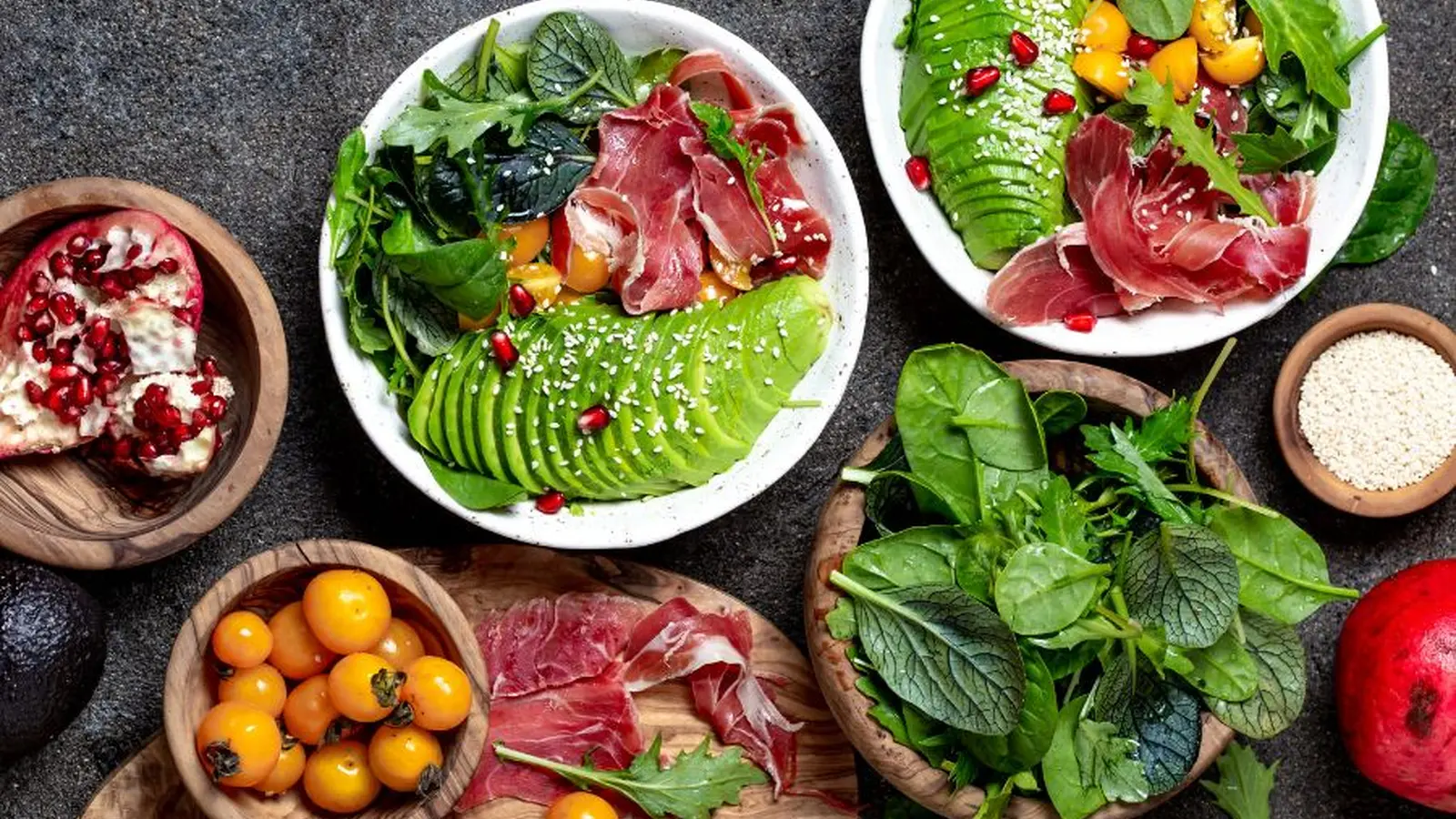
Imagine two plates of high-fat meals: one drizzled with olive oil, the other coated in butter. Both push the body toward ketosis, but their effects on the immune system can be strikingly different. A new study from the University of Cincinnati Cancer Center shows that the type of fat matters as much as the quantity when it comes to inflammation and immune activity.
What the researchers did and what they found
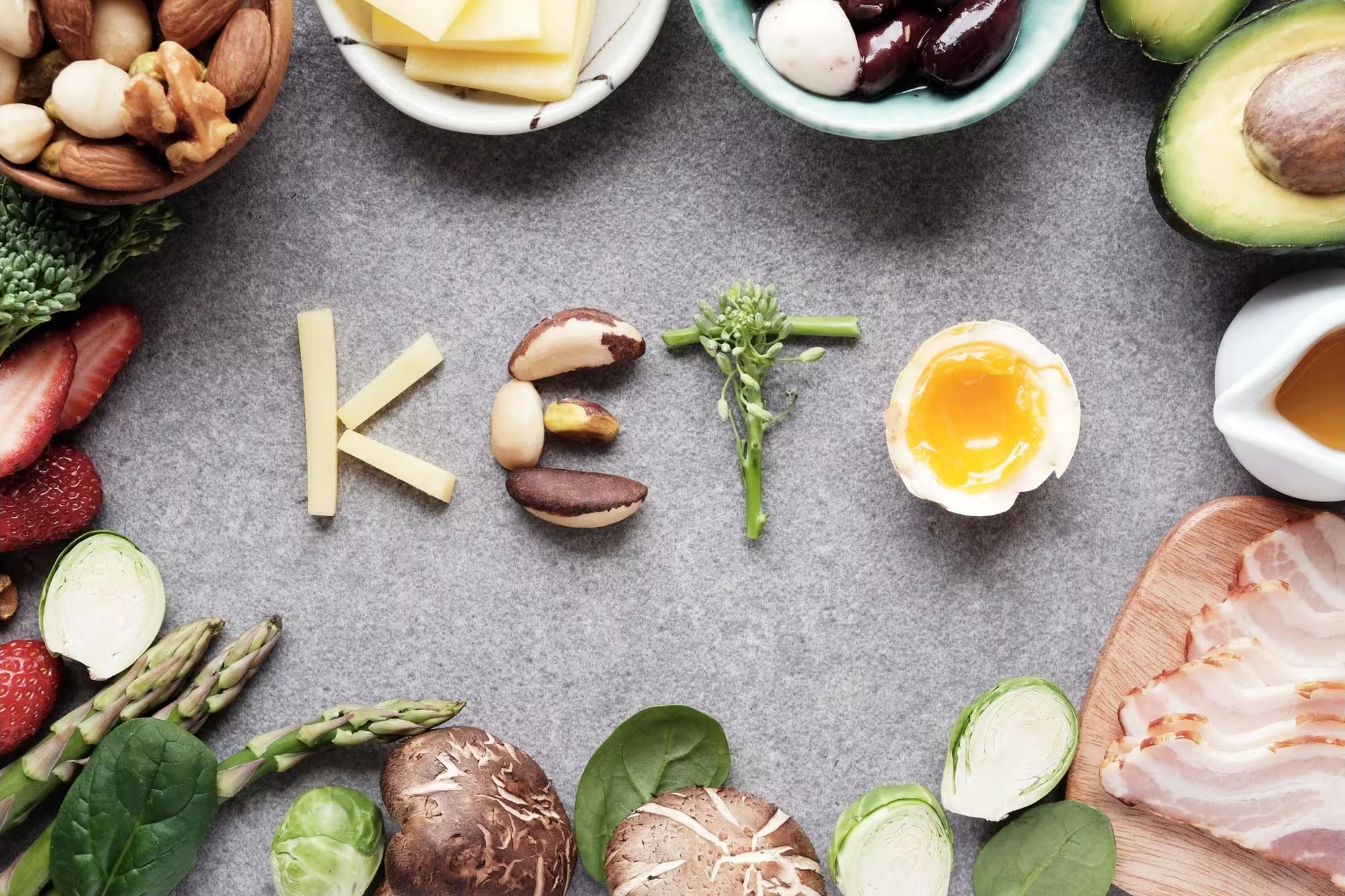
Ketogenic diets are defined by low carbohydrate intake and high fat intake, which together shift metabolism away from glucose and toward ketones and fatty acids. To untangle why prior studies reported conflicting inflammation results, the team fed mice ketogenic diets composed of distinct fatty acids and tested individual fats in cell cultures.
David Gius, director of the University of Cincinnati Cancer Center, says the results were unexpected and precise. In his words, different fats do very different things to metabolism and immune signaling. The experiments showed long-chain saturated fatty acids tend to stimulate inflammatory immune responses. By contrast, unsaturated fats and medium-chain fatty acids more often promoted anti-inflammatory traits.
The mechanism the scientists traced points to the mitochondrion, the cell’s power generator. Certain saturated fats appear to provoke mitochondrial stress signals that wake up immune cells, nudging tissues toward inflammation. Those stress signals were measurable in cultured tissues and mirrored in the animals on saturated-fat-heavy ketogenic feeds. The results were published on November 13 in Science Advances.
Why this matters for cancer and clinical trials
At first glance, the link between dietary fat and immune tone may seem academic. But immunity is central to how the body recognizes and destroys cancer. If a diet shifts the tumor microenvironment toward inflammation, that could either help or hinder therapies that rely on immune activation, such as checkpoint inhibitors. Might some ketogenic protocols sensitize tumors to immunotherapy while others do the opposite? That is the key question.
The work is preclinical: mice and tissue cultures, not people. Still, the team says the pattern offers a testable hypothesis for human studies. A clinical trial that began at UT Health San Antonio, where some of this research started, aims to probe ketogenic diets in patients undergoing immunotherapy. A similar trial is expected to open at the University of Cincinnati Cancer Center.
Practical takeaway: not all ketogenic diets are interchangeable. Choosing fats matters. Long-chain saturated fats include items like certain animal fats and some tropical oils. Unsaturated fats include most vegetable oils and nuts, while medium-chain fats are found in specific oils used in nutrition research. Those distinctions can change mitochondrial signaling and thus immune behavior.
Scientists and clinicians will need to weigh several variables before translating these findings into dietary guidance: dose, duration, the mix of fats, and patient-specific factors such as tumor type and existing metabolic health. It is also possible that, in some clinical contexts, a pro-inflammatory shift could improve responses to therapy. In others, it might worsen outcomes.
For people curious about ketogenic diets, the study is a reminder that biology is rarely binary. Food is biochemistry. Different molecules, even within the same macronutrient class, can steer physiology in opposite directions. More human trials will be required to map which ketogenic strategies are safe and which might be harnessed to support cancer treatment.

“The cosmos has always fascinated me. I write about space missions, astronomy, and the technologies pushing humanity beyond Earth.”

Discussion
Leave a Comment
Comments (2)
Is this solid in humans or just mice? feels like another preliminary result, we need real clinical data before flipping diets. if that's real then... complicated.
Wait, so butter vs olive oil could change how tumors respond to immunotherapy? wow, biology is wild. not all kets are the same, huh... kinda mindblown rn