
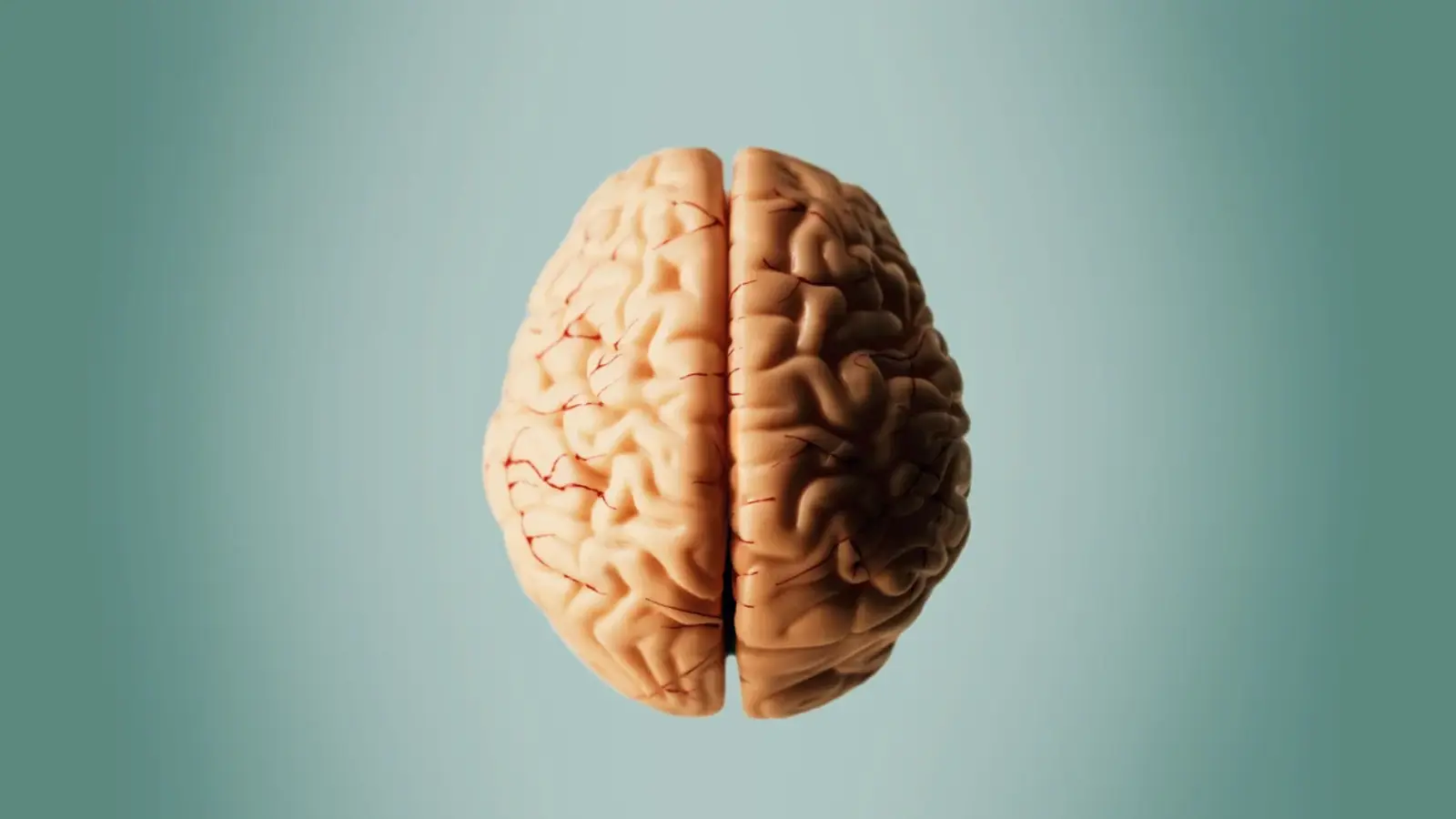
You walk past a neighbor with a familiar dog and, without trying, the neighbor's face pops into your head. That sudden link between dog and owner is not deliberate remembering. It is a whisper from a class of memory that researchers call implicit associative memory.
When an accidental cue does the remembering
Psychologists use everyday moments like the dog example to explain how past experiences shape responses without conscious effort. Emily E. Davis and colleagues at the University of Toronto tested whether that sort of learning holds up as people age. They looked at how quickly prior pairings of pictures and words influence later decisions, a phenomenon known as associative priming.
Priming can be subtle. You do not have to recall the pairing explicitly. Instead, having seen two items together before makes you respond faster when you see them again. Davis's team wanted to know whether older adults preserve this speed advantage, even when explicit recall falters.
Inside the experiment: objects, words, and a desk drawer
The study, posted as a preprint on bioRxiv and currently under peer review, recruited adults in two age bands: 18 to 29 and 60 to 80. After exclusions from an initial pool of 60 volunteers, the main analysis used 28 younger and 25 older participants. All volunteers completed a rapid decision task while undergoing functional magnetic resonance imaging.
On each trial, participants saw a photograph of an everyday object with the name of a different object written over the image. One item was visible as a picture. The other existed only as text. The question was simple: could the two items fit together inside a typical desk drawer? Respond quickly was the instruction. There was no explicit direction to memorize pairings. Each picture and word pairing appeared twice, and later the experiment repeated the task with some original pairs preserved and others rearranged.
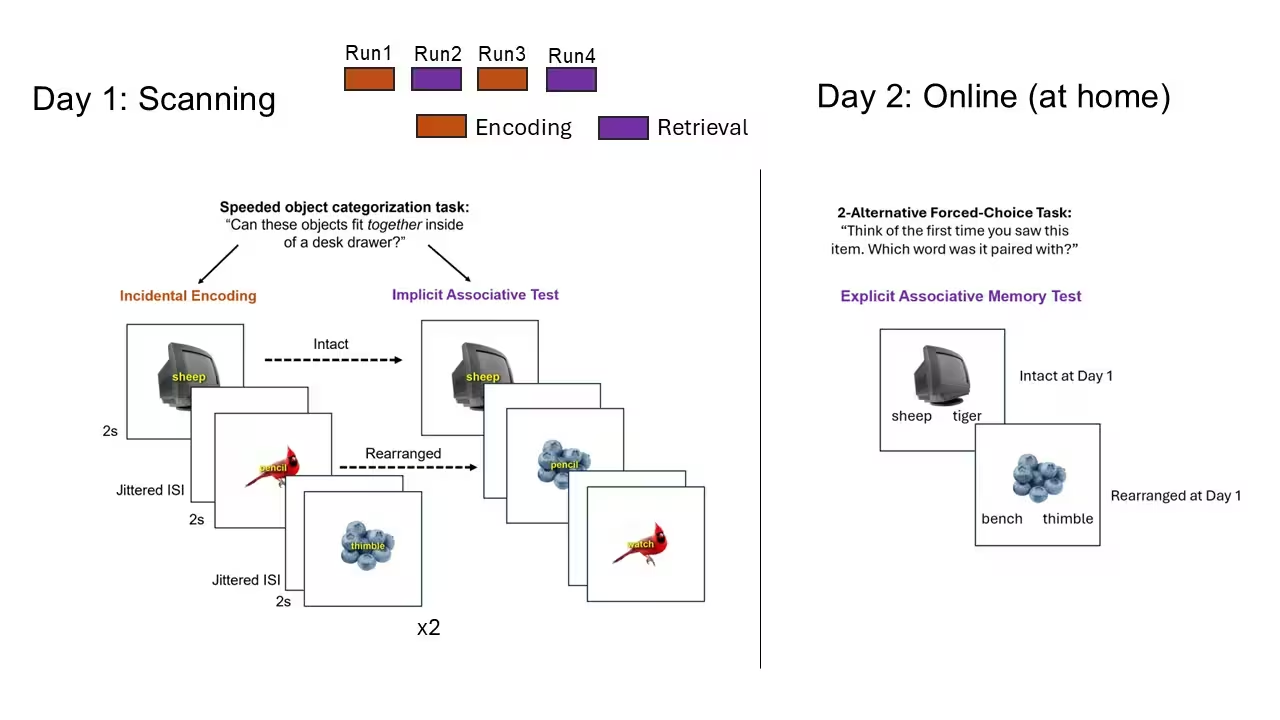
Participants judged whether two objects could fit inside a desk drawer during brain scanning. The following day, they selected which word had previously appeared with each picture.
When items that had appeared together were presented again, most participants responded faster. That speed-up is the associative priming effect. Younger adults recorded an average advantage of about 16 milliseconds. Older adults showed a larger raw advantage, around 34 milliseconds, though they were slower overall in their responses. Within-group statistics showed the priming benefit reliably in older adults; however, direct age-group comparisons did not find a significant superiority in older people.
Brain signals and what they reveal
Parallel to behavioral measures, the fMRI data revealed shifting patterns of activity. Some brain regions showed lower activation for previously paired items. Other regions became more active. Those broad changes did not differ markedly between age groups in whole-brain analyses.
The team also examined specific memory-related structures. In the right posterior hippocampus, older adults displayed higher activation for previously paired items. That localized effect appeared in targeted region-of-interest tests but did not emerge in the whole-brain comparison. Importantly, hippocampal activity did not correlate with the size of the response-time benefit.
Nearby, the perirhinal cortex, a structure tied to object perception and recognition, told a different story. Participants who showed greater activity in this region for rearranged pairs than for preserved pairs tended to exhibit stronger priming. This relationship appeared on both sides of the brain, although only the right-side statistical model passed the overall significance threshold. The authors propose that perirhinal processing might help bind a picture and a printed word into a functional unit, but the experiment did not directly test that binding hypothesis.
There are caveats. The sample size was modest. Older participants averaged more years of education and higher vocabulary scores. They also moved more during scanning, which can affect fMRI results. And the study was cross-sectional: it compared different age groups rather than tracking the same people as they aged.
What this means for assessing memory
The headline is not that older adults remember better. Explicit memory tests conducted the next day told a clearer story: when shown a picture and asked which of two words had been paired with it previously, younger adults selected the correct word about 65 percent of the time, while older adults scored around 59 percent. Both groups performed above chance, but younger adults were more accurate.
Still, the preservation of associative priming suggests a selective sparing of implicit associative learning. That distinction matters for clinical and practical reasons. Implicit measures could provide sensitive ways to detect preserved learning capacity in older people. They might also point toward interventions that rely less on deliberate memorization and more on harnessing automatic associations.
Expert Insight
"The study highlights how different memory systems age along separate tracks," says Dr. Rachel Moreno, a cognitive neuroscientist not involved in the research. "Explicit recall and implicit associations use overlapping but distinct networks. Finding preserved priming in older adults opens possibilities for designing cognitive support that leverages automatic learning rather than explicit rehearsal."
Dr. Moreno adds, "We should be cautious. Preprints are useful, but replication with larger and longitudinal samples will tell us whether the pattern holds across diverse populations."
Conclusion
Davis and colleagues add nuance to a familiar worry: that aging uniformly erodes memory. Their work shows that some learned links continue to influence behavior without conscious effort. The brain signals point to the perirhinal cortex and, to a lesser extent, the hippocampus as contributors, but the full picture remains incomplete.
Practical takeaways are modest but promising. If implicit associative memory is relatively preserved, clinicians and caregivers might design tasks and training that rely on repeated pairings and environmental cues rather than on deliberate recall. Meanwhile, researchers should follow up with larger samples and longitudinal designs to chart how implicit and explicit systems change over time.
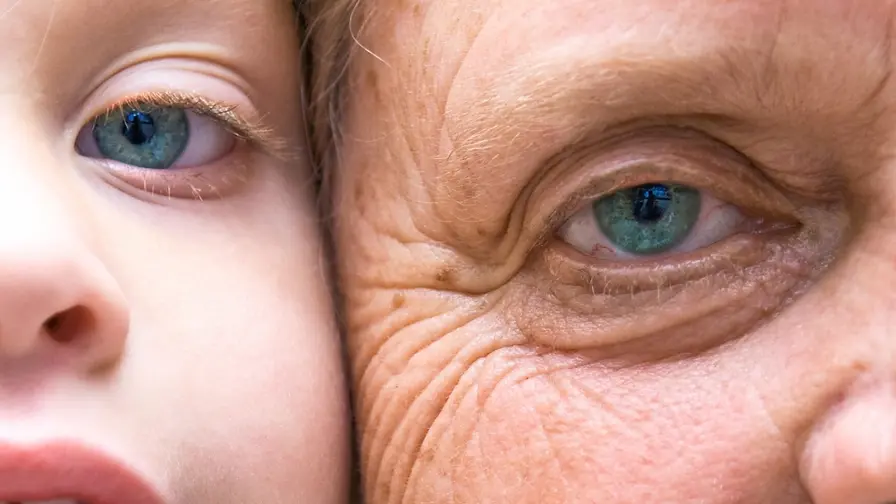
Key takeaway: memory does not decline uniformly with age; some automatic associative learning appears resilient and detectable with behavioral priming and brain imaging.

“My work centers on sustainability, energy, and environmental science — examining how innovation can lead to a greener future.”

Discussion
Leave a Comment
Comments (3)
My grandma does this, forgets names but a smell or tune brings back a face. So yeah, implicit stuff matters. Could be useful in care plans imo
Is this even true? Sample small, older folks had higher vocab and moved more in the scanner, confounds galore. Need longitudinal work.
Wow, didnt expect implicit links to hang on like that, kinda hopeful for caregivers, but small sample and scanning quirks leave me skeptical...