
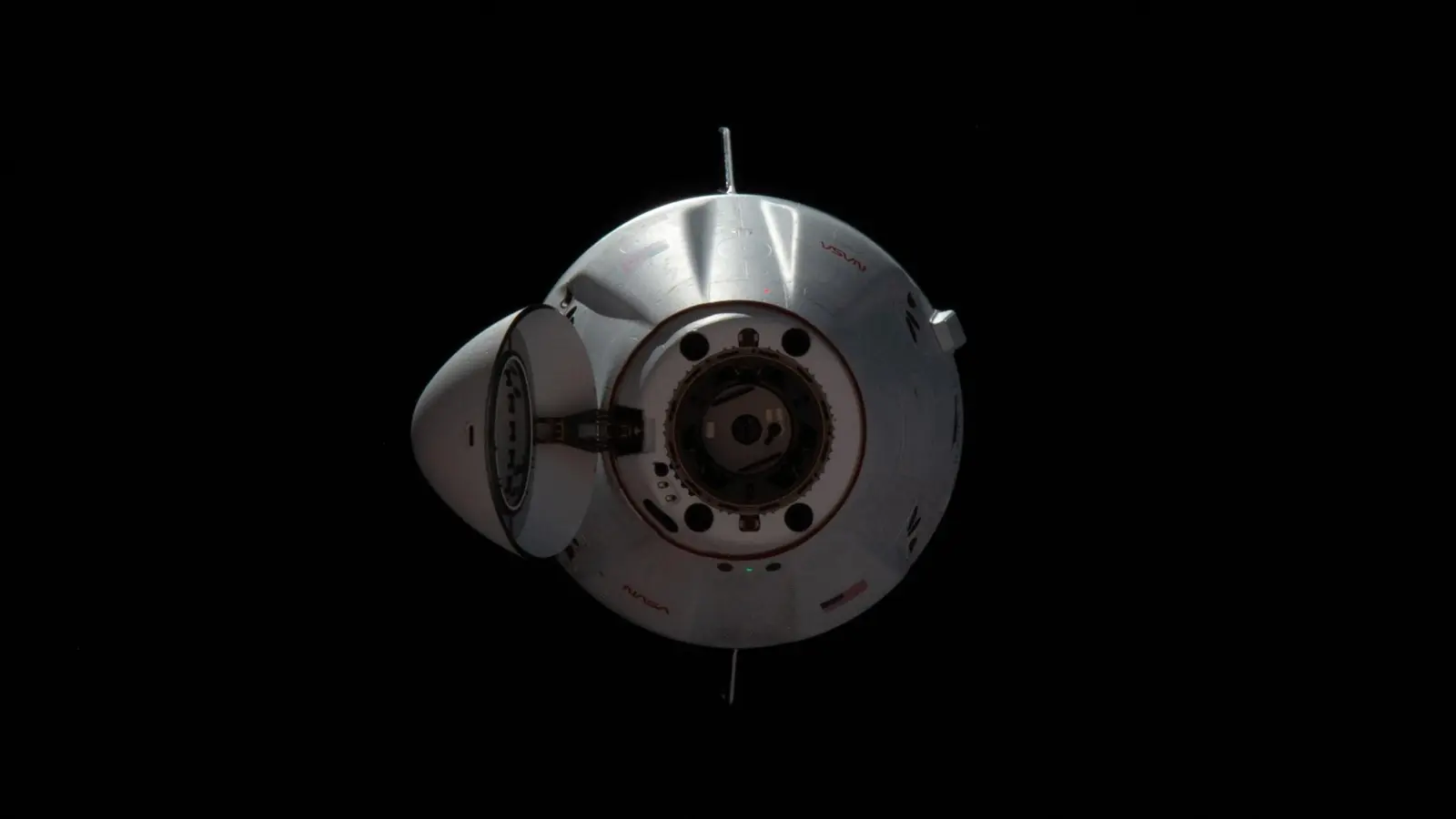
A SpaceX Dragon spacecraft approaches the International Space Station carrying more than 6,300 pounds of science and supplies for the Expedition 75 crew on October 15, 2026.
The Pacific felt the splash before the lab notebooks did. At 2:03 p.m. PST, an uncrewed SpaceX Dragon capsule cut through ocean spray near Los Angeles and delivered a cargo hold full of experiments that could alter how we treat disease on Earth and protect astronauts in deep space.
What came back and why scientists are excited
Dragon’s return included a curious mix: frozen tumor organoids that had been treated in orbit, a 3D-bioprinted blood vessel scaffold grown in microgravity, and microbial samples aimed at probing antibiotic resistance under unusual conditions. Each item tells a different story about biology removed from gravity’s constant tug.
Bioprinted tissues are central to one line of inquiry. Using living cells and supportive biomaterials, researchers printed a blood-vessel-like construct to study aging and the early stages of cardiovascular disease. In microgravity, fluid behavior, cell signaling, and scaffold formation proceed differently. That difference is useful: it amplifies subtle mechanisms researchers struggle to detect on Earth.
Then there are the organoids. These tiny, lab-grown tumor models mimic aspects of human cancers much better than flat cell cultures. On the station, teams applied experimental therapies and froze the samples for return. Back on Earth, scientists will run high-resolution assays and genomic analyses to see whether space-treated organoids respond differently than identical controls maintained on the ground. The goal is pragmatic: find clues that could refine therapies and advance precision medicine.
Microbes, sleep lighting, and mission-critical health
Also aboard were frozen bacterial cultures collected to study antibiotic resistance in a low-gravity environment. Antibiotic-resistant strains pose a global health threat. But aboard a spacecraft, where medical options are limited, understanding how microbes survive, adapt, or become more virulent matters for crew safety and mission planning.
These studies are not only about hazards. Researchers returned a lighting system that operated on the station for more than three years. The equipment was used to test circadian-friendly illumination strategies designed to stabilize astronauts’ sleep and alertness. The International Space Station orbits Earth about every 90 minutes, producing dozens of sunrises and sunsets each day. That rhythm disrupts internal clocks. Light becomes the most direct tool scientists have to restore a healthy sleep-wake cycle during long missions.
Why does any of this matter beyond astronauts? Because human biology is linked. Insights about vascular aging or microbial evolution in space can inform treatments, diagnostics, and infection control on Earth. The microgravity environment acts like a magnifying lens for biological processes, bringing hidden behaviors into view.
Mission timeline and technical notes
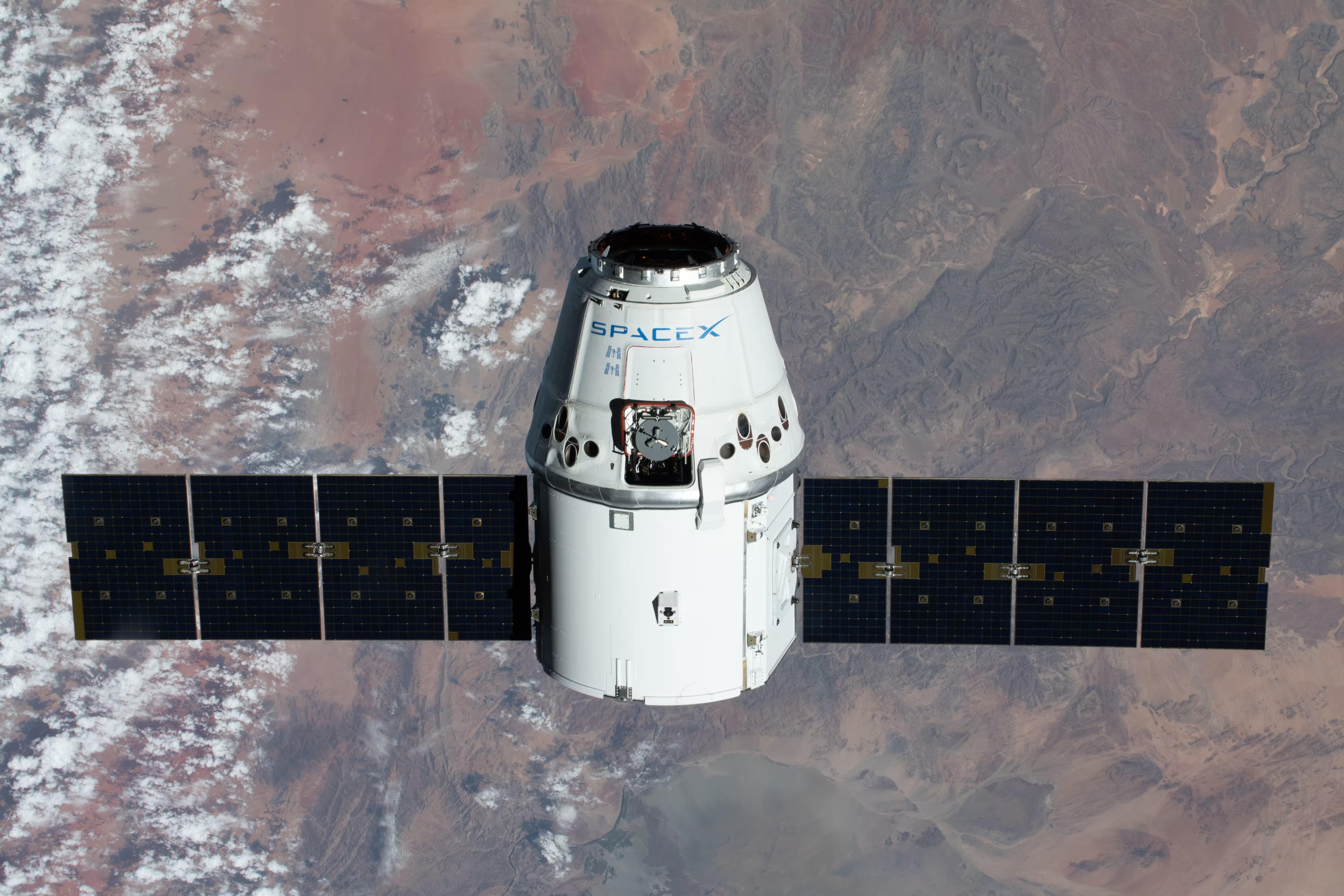
The mission launched from Cape Canaveral on October 13 aboard a Falcon 9 rocket and berthed with the ISS on October 15. After roughly five weeks attached to the orbital complex, Dragon undocked on November 20 at 11:05 a.m. CST and re-entered for the Pacific splashdown less than three hours later. Unlike many logistics vehicles, Dragon is engineered to return pressurized cargo intact, enabling time-sensitive and delicate experiments to reach terrestrial labs without compromise.
That capability is why Dragon remains integral to NASA’s science pipeline. Samples that require cryogenic storage, precise handling, or rapid molecular analysis need a ride home that preserves their state. The successful recovery means researchers can now begin downstream experiments: sequencing, imaging, and functional assays that were impossible to complete in orbit.
Expert Insight
"Microgravity doesn’t invent new biology," said Dr. Elena Márquez, a senior biomedical researcher who has collaborated on spaceflight tissue studies. "It reveals different facets of existing biology. That helps us test hypotheses faster and sometimes identify drug targets or design principles we would otherwise miss on Earth."
Her take underlines the practical ambition behind these flights: to accelerate discovery by using space as an experimental tool, not merely as a novelty.
Conclusion
No single capsule will rewrite medical textbooks overnight. These shipments are iterative steps. Still, the returned tumor organoids, bioprinted vessels, and microbial collections create a bridge between orbital research and terrestrial medicine. They will occupy freezers, microscopes, and sequencers in labs around the world, where scientists will peel back layers of data that could improve cancer therapies, cardiovascular care, infection control, and astronaut health for missions beyond low Earth orbit.

SpaceX’s 35th commercial resupply mission for NASA shows how routine logistics flights now carry higher scientific stakes. As agencies plan longer voyages—to the Moon and, eventually, to Mars—the ability to test, return, and analyze complex biological systems will be central to mission success and to terrestrial benefits that follow.

“The cosmos has always fascinated me. I write about space missions, astronomy, and the technologies pushing humanity beyond Earth.”

Discussion
Leave a Comment
Comments
No comments yet. Be the first.