
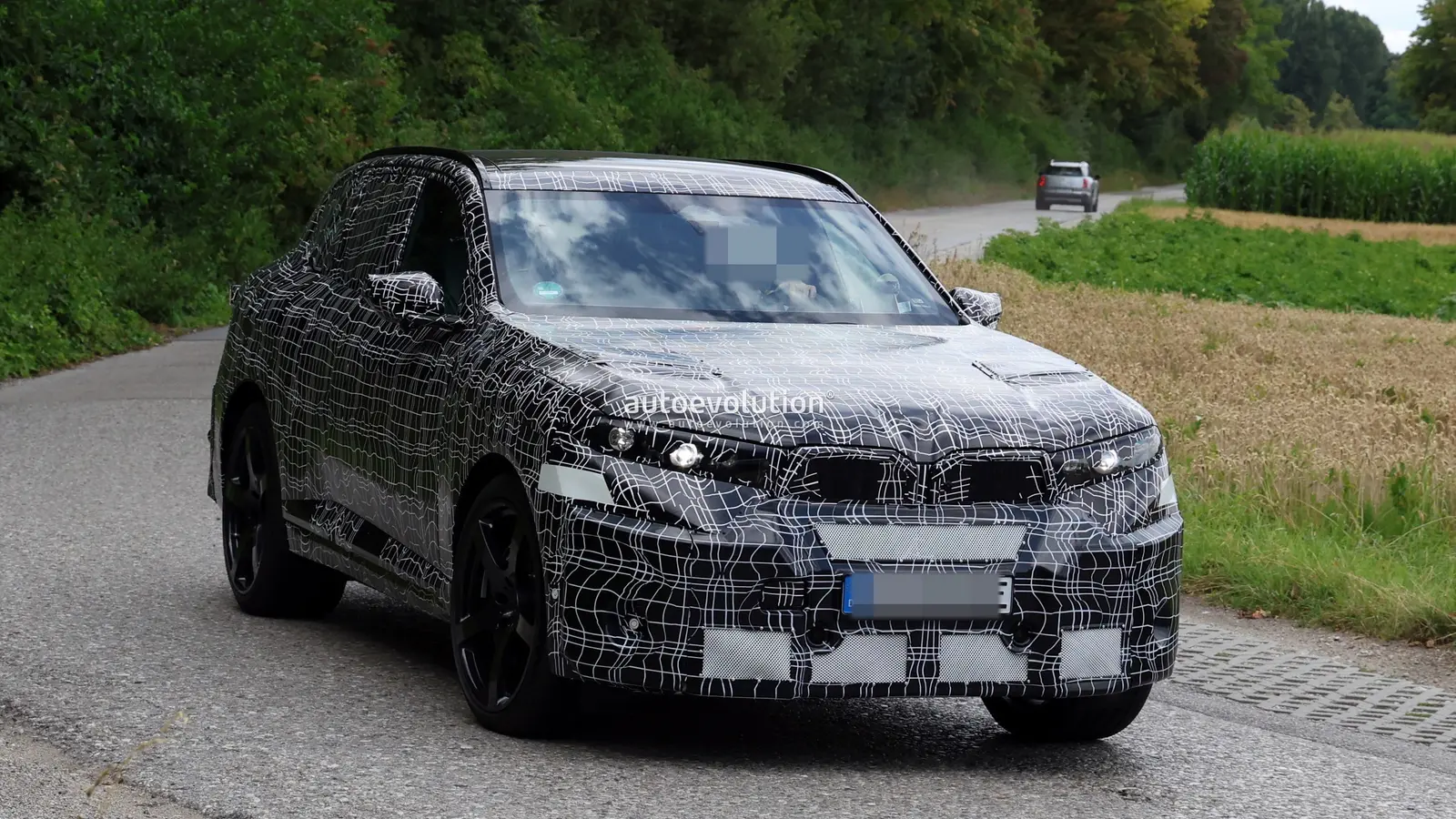
A camouflaged prototype slipped through a coastal test route and vanished before the sensors could properly register it. Quiet, heavy, and unmistakably M, the electric X5 that BMW engineers have been hinting at is no longer just a concept in a presentation deck.
BMW has been busy extending the X5 family beyond the standard model. Alongside hydrogen trials and a high-performance internal combustion version, an all-electric top-of-the-line X5 M is taking shape. Rumors put peak power between 800 and 900 horsepower, and reports suggest the assembly line in South Carolina will begin producing the model in 2028.

Production is expected to begin in 2028 at BMW's South Carolina plant.
What the prototype reveals
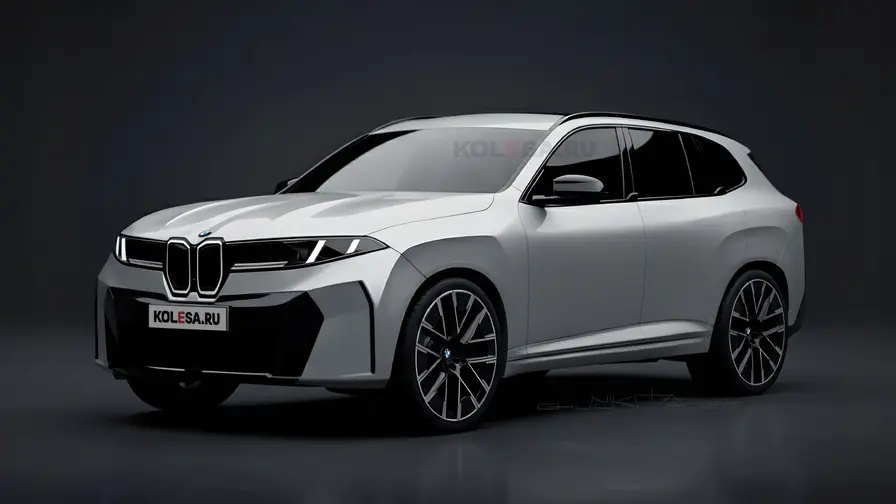
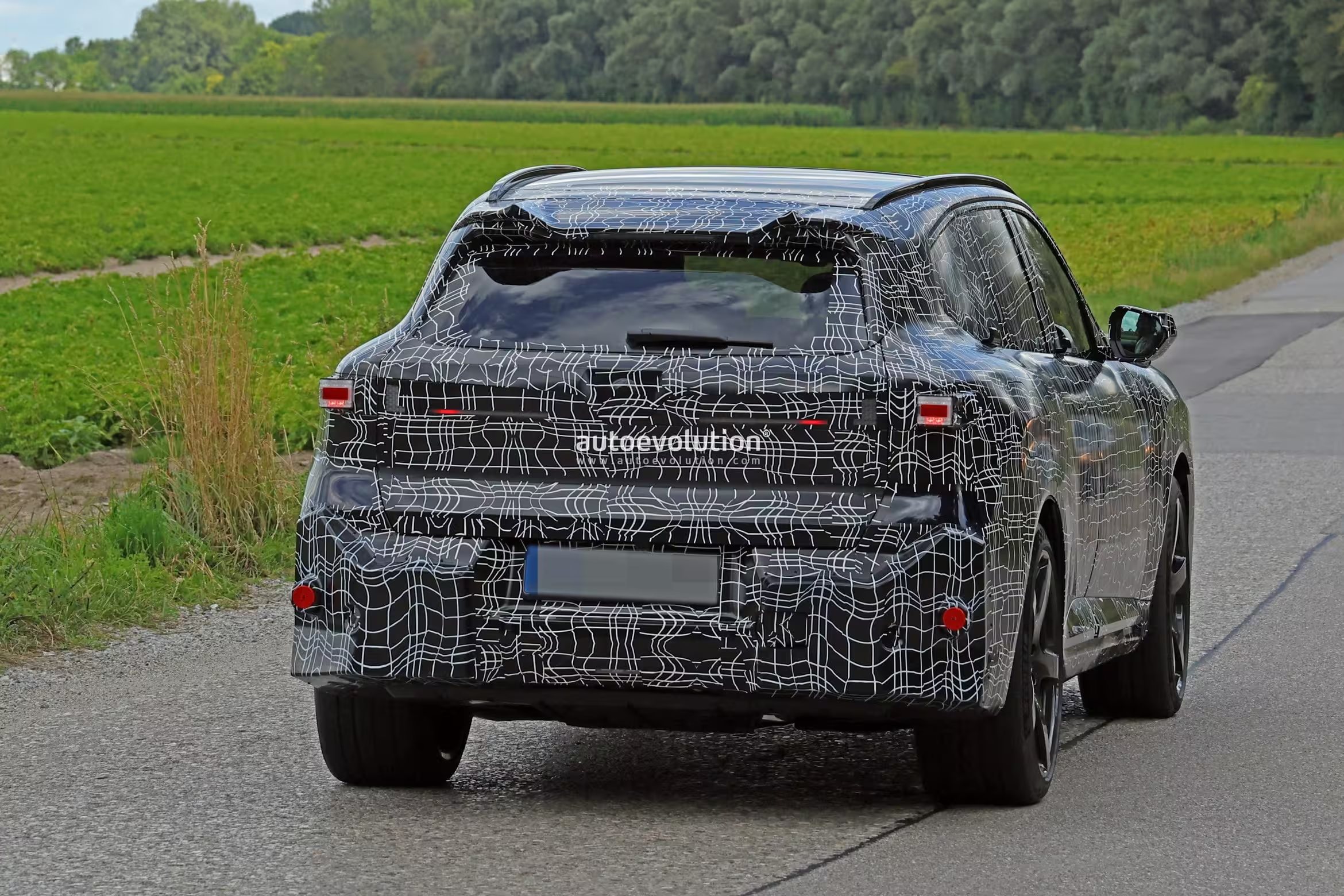
The mule seen on public roads looks close to production-ready. Small design cues set it apart from the iX5: a reworked front bumper with larger vents and revised air intakes, a grille that echoes the M Concept Neue Klasse aesthetic, and noticeably bigger wheels. The taillights match the iX5, but the rear bumper presents a cleaner, more deliberate design. Silver brake calipers replace the blue ones used on lesser models, and the brakes themselves appear overbuilt for a vehicle of this size.
Under the skin, the conversation shifts from styling to propulsion and controls. One leading theory is that BMW will borrow the electric drivetrain architecture intended for the next electric M3: a quad-motor layout with two motors per axle. Two small motors per axle enable fine-grained torque vectoring, meaning the car can send individual torque to each wheel for sharper cornering, quicker response, and improved traction in low-grip conditions.
Powertrain and technical context
Looking at 800 to 900 hp total is plausible if BMW combines multiple high-output motors with a large-capacity battery pack. For reference, 900 hp is roughly 671 kilowatts. Delivering that level of performance requires not only peak motor output but also a battery capable of sustaining high discharge rates and a thermal management system to keep temperatures within safe limits during repeated runs.
Battery chemistry and cooling matter here. High-power applications typically use cells optimized for high C-rate discharge, often at the expense of maximum energy density. That trade-off suits performance SUVs whose priority is power delivery and thermal stability over absolute range. Efficient battery thermal management reduces the risk of power fade and allows the control software to keep outputs high for longer.

Torque figures for an electric V8 hybrid like the M5 plug-in sit just shy of 1,000 Newton meters when combined with electric assistance. The iX5 M, if purely battery-electric and fitted with four motors, could equal or exceed those torque figures at the shafts, even if the delivery characteristics differ from an internal combustion setup. A more extreme, four-digit horsepower variant is also possible later in the model cycle, following the pattern of performance tiers that BMW often deploys.
Beyond raw numbers, the electric X5 M will showcase integrated systems: advanced regenerative braking strategies to recapture kinetic energy, adaptive damping that reacts to instantaneous power delivery, and sophisticated software that blends traction control with chassis dynamics for consistent lap times and daily drivability alike.

BMW is not abandoning internal combustion performance. Speculation about an ICE-powered X5 M using a plug-in hybrid V8 similar to the M5 persists. That model would address buyers wanting familiar engine notes and extended range, while the iX5 M targets those prioritizing instantaneous electric torque and high sustained power.
Implications for performance SUVs
The arrival of a quad-motor, near-900 hp X5 would reshape expectations for luxury performance SUVs. It will push battery engineering, software control, and thermal systems further, while raising questions about real-world range, charging strategy, and serviceability. For now, the prototype confirms BMW is preparing a serious contender in the battery-electric performance segment. Production in 2028 will be the moment of truth when speculation meets measurement.

“I cover automotive innovation, electric vehicles, and the future of mobility — where technology meets sustainability.”

Discussion
Leave a Comment
Comments (2)
Is this even true? 4 motors per axle sounds wild. Battery cooling will make or break it, and 2028 feels sooo far away.
Wow, a 900hp electric X5? If that’s real then holy torque , imagine cornering on rails, but range tho... skeptical but excited.