
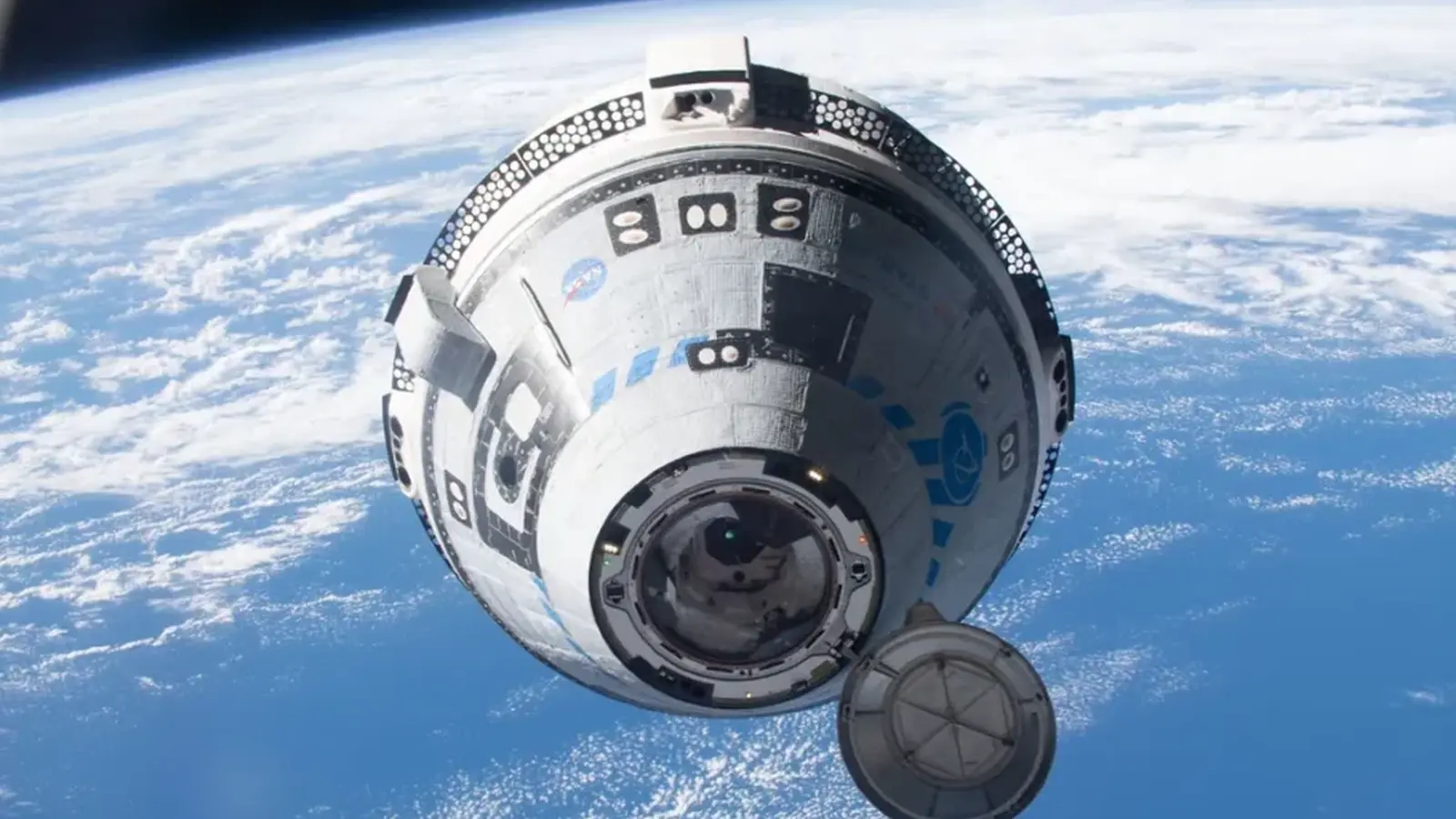
An ostensibly routine crew test in June 2024 left NASA and Boeing facing tough choices. Two astronauts launched aboard Boeing's Starliner for a short stay at the International Space Station, but things did not go according to plan. Leaks and thruster failures meant the spacecraft could not be relied upon to bring the crew home, and the agency chose to return them on a different vehicle. The result: NASA now expects no Starliner crewed flights until 2028.
Technical faults that reshaped a schedule
Starliner’s troubles stretch back to its first uncrewed demonstration in December 2019, when the vehicle failed to reach the station and entered an incorrect orbit. The second uncrewed run in May 2022 reached the station but exposed propulsion issues. Those earlier problems foreshadowed the critical failures seen during the Crew Flight Test.
In June 2024, astronauts Suni Williams and Butch Wilmore spent a planned 8 to 14 days aboard the station. During their mission engineers discovered a helium leak and the loss of five of 28 maneuvering thrusters on Starliner’s control system. The failure mode was serious enough that NASA ruled out using the capsule for their return to Earth. The spacecraft did make an uncrewed return to Earth in September, while the two crew members later returned safely in March 2025 aboard SpaceX’s Crew Dragon.
Investigations categorized the mishap at the highest severity level, prompting a full corrective campaign. Root-cause analysis linked the helium leak to valve malfunctions and to seal degradation caused by exposure to nitrogen tetroxide, a common hypergolic oxidizer. Boeing has redesigned seals, modified valve components, and outlined further hardware updates to address the vulnerabilities.
What the revised flight plan means
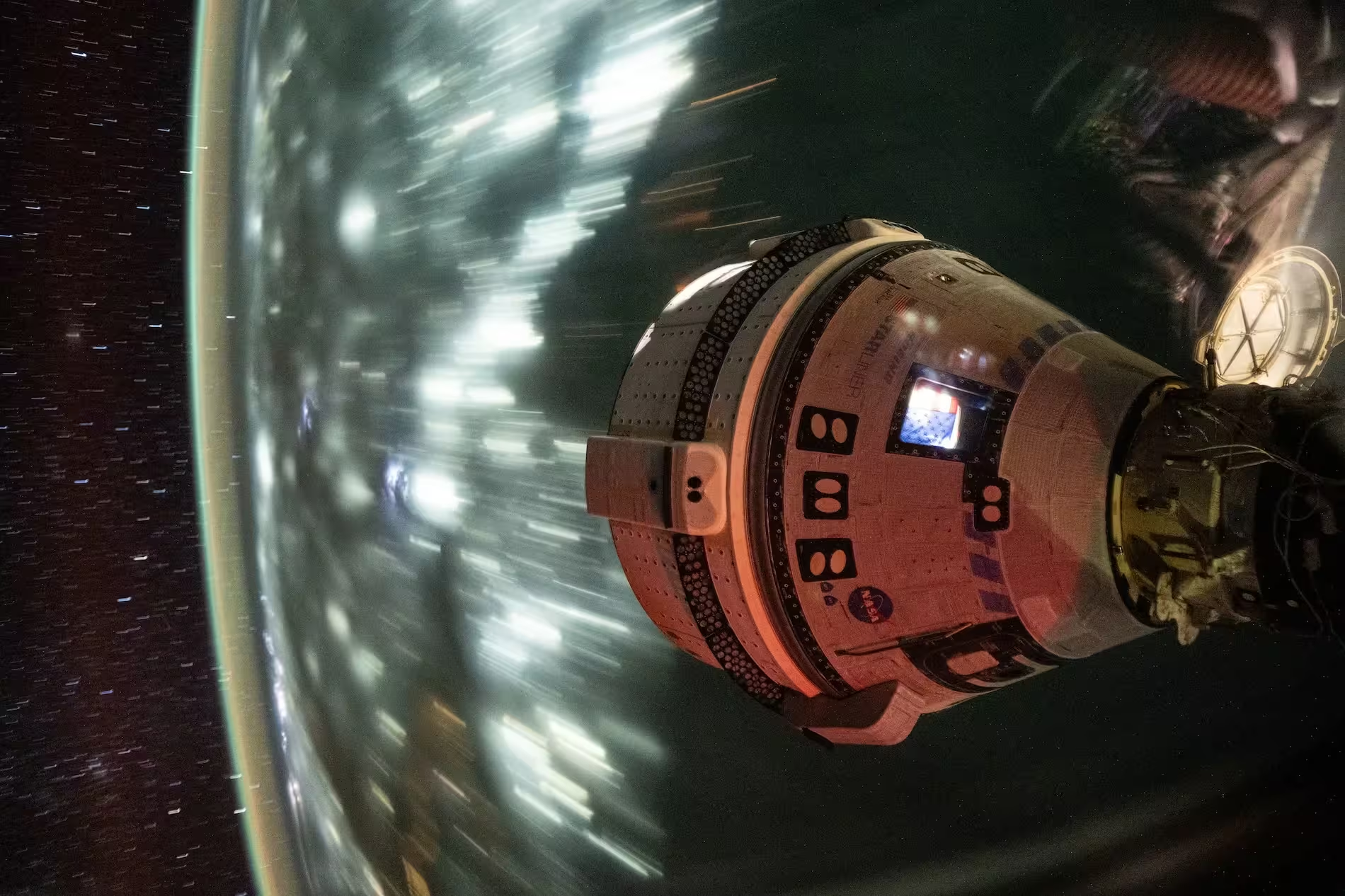
Starliner-1 will now fly as another uncrewed verification mission, targeted for December 2026 or January 2027. That flight will test the recent modifications and verify in-orbit propulsion performance. But not every fix will be completed before that run. Additional design changes, including a reiteration of service-module valve architecture, new crew module thrusters, fresh batteries, and tweaks to the parachute system, are scheduled after Starliner-1 and before any crewed mission.
Because of that staged approach, NASA and Boeing anticipate a long gap between Starliner-1 and the crewed Starliner-2 mission. The agency is currently targeting 2028 for Starliner-2, with Boeing estimating a mid-2028 window as plausible. That delay increases NASA’s reliance on SpaceX for crew transport to low Earth orbit, something the agency always sought to avoid by maintaining two independent crewed providers.
Another complication: the first four Starliner missions will launch on United Launch Alliance’s Atlas V rocket, a reliable vehicle that is now being retired. Later flights, Starliner-5 and Starliner-6, are slated to move to ULA’s new Vulcan Centaur rocket. Vulcan has yet to be certified for crewed launches, and NASA and ULA must complete the human-rating certification process before astronauts can fly on it.

NASA also published an estimate of the combined cost for spacecraft modifications and the Vulcan certification process: about €334 million. That figure covers engineering changes, tests, and the administrative steps required to clear Vulcan for human missions.
Implications for the ISS and commercial LEO access
Why does this matter beyond program schedules? With a single certified crew ferry available, operational flexibility for the International Space Station narrows. Redundancy in crew access helps protect the station’s continuous operations, supports the transition to commercial stations in low Earth orbit, and preserves competitive pressure that can lower costs and spur innovation.
For Boeing, the delay is also reputational. The company must demonstrate not only that the hardware is fixed but that processes and oversight have tightened. Regulators and NASA will scrutinize test results, hardware quality control, and software validation before signing off for crewed flight.
Expert Insight
"Spaceflight is unforgiving of small failures," said Dr. Elena Ramirez, a fictional senior spacecraft systems engineer with decades of flight-certification experience. "A seemingly minor seal or valve issue can cascade into mission-level risk. The prudent path is incremental verification: test in flight, learn, fix, then test again. It costs time, but it preserves lives and long-term program health."
That view captures why NASA and Boeing opted for a cautious timeline. The agency must balance schedule pressure with the imperative to ensure crew safety and mission reliability.
Conclusion
Boeing’s Starliner still has a path to become a regular crew taxi for NASA, but the schedule to reach that goal is now measured in years rather than months. Fixes are underway, and another uncrewed demonstration will offer a critical check of those changes. Meanwhile, NASA’s dependence on SpaceX will remain central to maintaining continuous human presence in low Earth orbit until Starliner completes its recovery and certification journey.

“The cosmos has always fascinated me. I write about space missions, astronomy, and the technologies pushing humanity beyond Earth.”

Discussion
Leave a Comment
Comments (1)
wow didnt expect this. rough break for Boeing, but good NASA held back crew. delays suck but lives matter. curious how fixes actually hold up…