
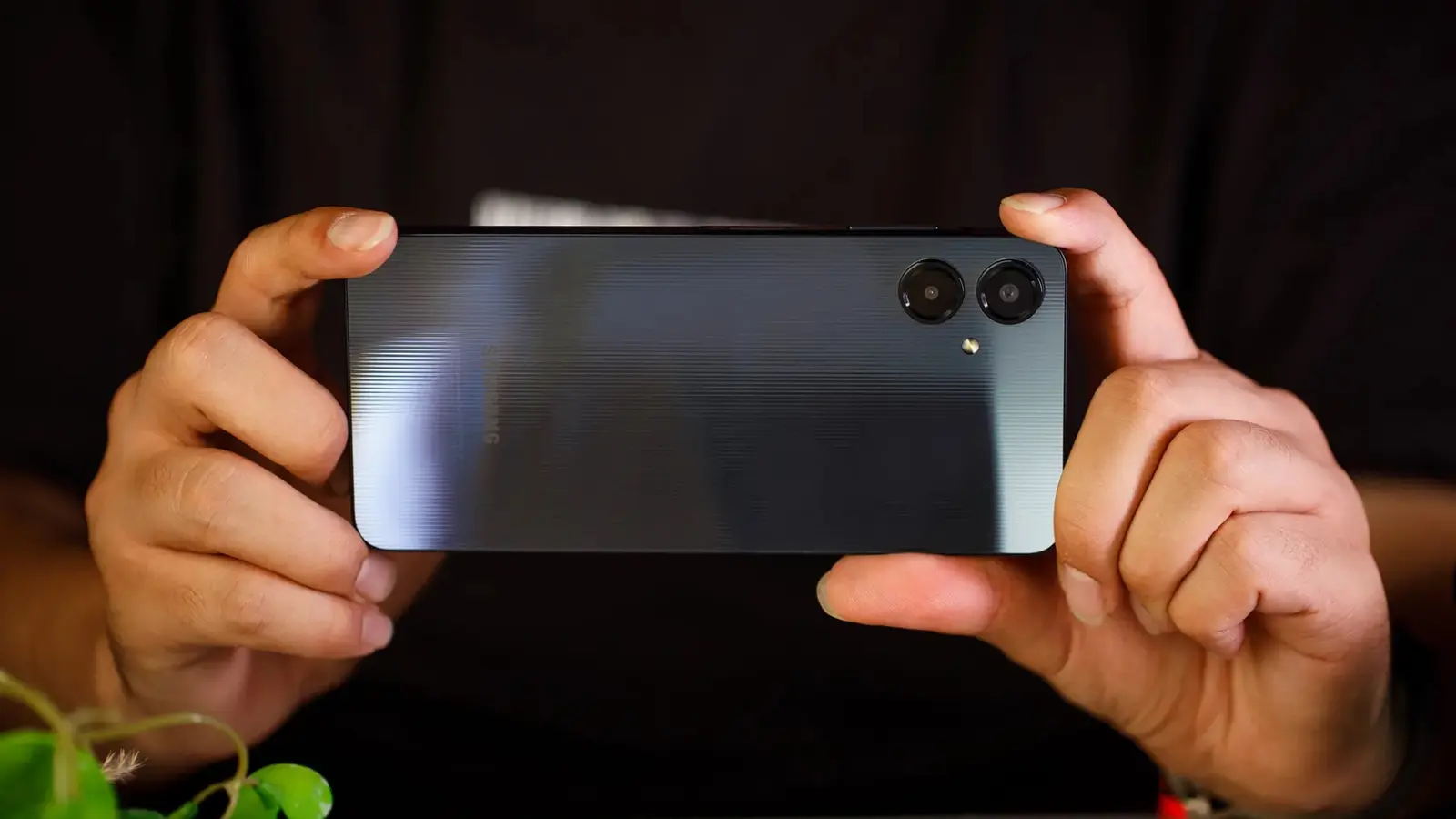
Walk into a phone shop today and the bargain shelf looks different. Fewer flash sales. Fewer sub-everyday models. The cheap end of the market is not just thinning out; it is shrinking fast.
IDC’s latest forecast makes that plain. Global smartphone shipments are set to slump deeper in 2026 than analysts expected a year ago, sliding from a predicted 14 percent decline to about 16.7 percent. That shift translates to roughly 200 million fewer devices worldwide, with the heaviest impact arriving in the second half of the year.
Who survives the squeeze
At the root of the turn: component costs, especially memory. NAND and DRAM price jumps are not a blip. Analysts expect pressure on memory prices to persist through 2028, which keeps manufacturers’ bill of materials elevated. The result is a steady upward push on average selling prices. After 2028, analysts see only a modest annual decline in ASPs, around one to two percent.

That math forces a strategic pivot. Many big brands are moving away from entry-level models and leaning into premium, higher-margin devices. Apple, Samsung and Huawei have the scale and balance sheets to live with higher costs and even turn them into profitable premium offerings. Smaller Android brands that built businesses around sub-€93 phones are facing the toughest stretch in the industry’s history.
Consider the ultra-cheap segment. Last year it still moved 173 million units. Now quarterly figures for the second quarter of 2026 show almost a 60 percent year-on-year collapse for that price band. Meanwhile, higher-end phones display more resilience. Where carriers and retailers can offer long-term financing in mature markets like the United States and the United Kingdom, consumers keep upgrading to pricier handsets.
The era of ultra-cheap smartphones is over.
What emerges after memory supply normalizes in 2028 will be a smaller market by volume but richer by value. Fewer phones sold overall, yet each one carrying a higher average price. For consumers, that means fewer disposable handsets and more choices focused on durability, services, and financing.

There is one bright corner: foldable phones. IDC expects that category to grow about 12.6 percent in 2026, reaching roughly 22.9 million units, then climb to about 27 million the following year. Apple’s planned entry into the foldable space is the single biggest factor analysts cite for that acceleration.
For manufacturers and retailers, the next 18 months will be a filter. Those able to operate with a costlier supply chain and who can sell higher-value propositions will separate themselves from the rest. For buyers, the bargain era has not paused; it has ended. The market is changing, fast and for keeps.

“I cover emerging technologies, digital innovation, and the intersection of tech and everyday life. My goal is to make complex trends accessible and inspiring.”

Discussion
Leave a Comment
Comments
No comments yet. Be the first.