
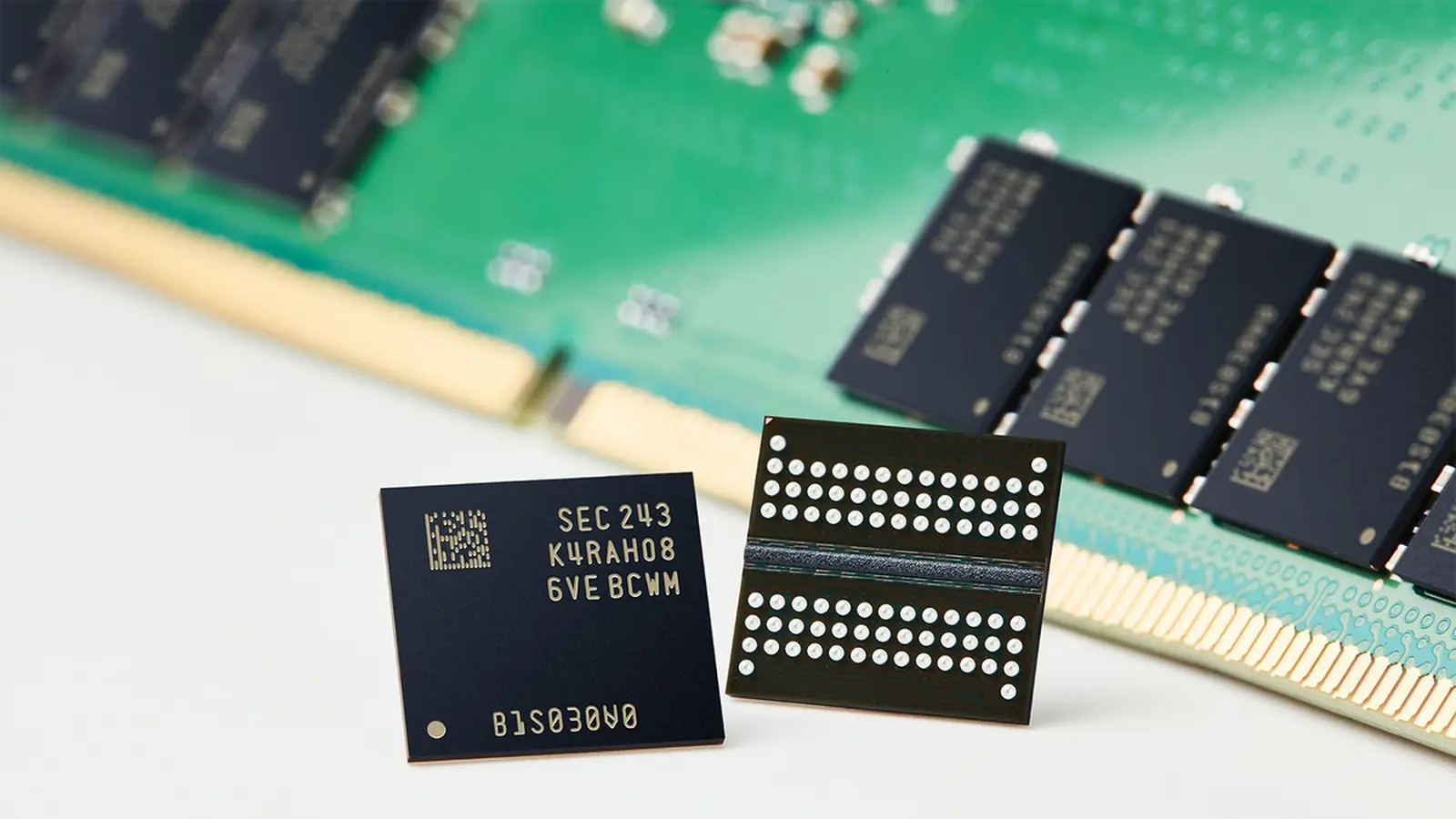
Buyers will notice this one in the checkout line. Morgan Stanley now says older DRAM like DDR4 is headed for a dramatic price surge, and the problem starts on the wafer floor.
Hard numbers: the bank forecasts a roughly 50% jump in DDR4 prices in the third quarter, followed by another roughly 10% rise in the fourth quarter of 2026. For SLC NAND the outlook is even more aggressive, with projections of 50% increases in each of the two remaining quarters of the year.
Where the silicon is going and why it matters
Chipmakers are reallocating precious silicon to higher-margin, next-generation products. HBM, DDR5 and advanced NAND eat into wafer capacity fast. That shift squeezes legacy products that are still widely used in laptops, routers and low-cost devices.
HBM is especially hungry. It uses about three times the wafer area of standard DRAM. Partly that’s because HBM stacks memory dies vertically and relies on silicon through vias, known as TSVs, to connect layers — a layout that limits how many cells fit on a wafer. Demand for HBM keeps climbing too: UBS estimates that Nvidia alone could consume about 25.1 billion gigabits of HBM out of an anticipated 61.5 billion gigabits of industry supply in 2027.
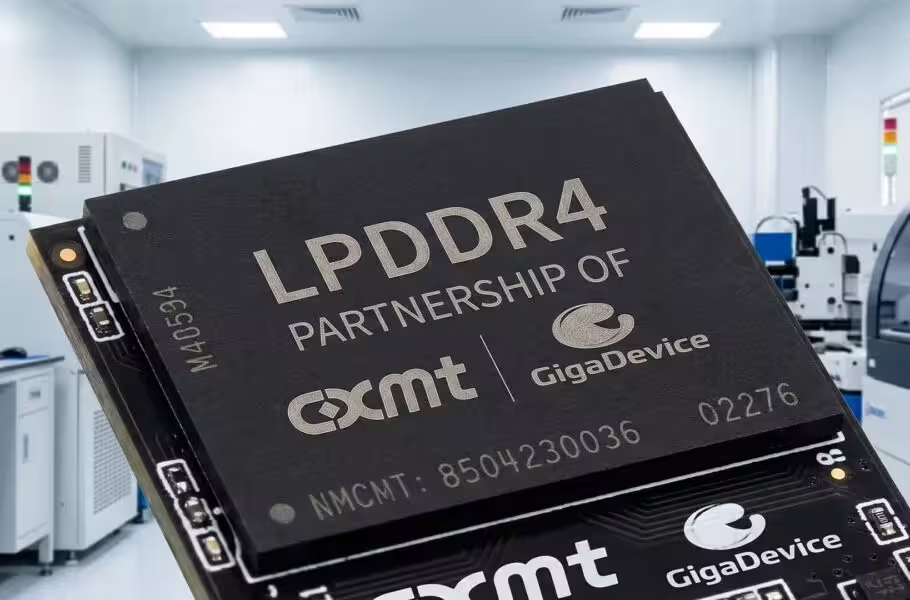
At the same time, DDR5 prices show no sign of easing. Bank of America reported that cash prices for 24 GB DDR5-5600/6400 kits rose 8% month-over-month in August, a surge that translates into a 483% increase versus the prior year. By way of comparison, a 24 GB DDR5 module that traded around €7.4 in mid-2025 is now approaching roughly €43.2.
Expect upward pressure on memory prices across the board.
- Supply reallocation favors HBM, DDR5 and cutting-edge NAND, shrinking production of DDR4 and SLC NAND.
- Higher wafer consumption per HBM module and booming GPU-centric demand amplify scarcity.
- Retail and OEM prices already reflect the squeeze; consumer kit prices have climbed sharply year-over-year.
What does this mean for makers and buyers? Device manufacturers will face tougher sourcing choices and likely higher BOMs for anything needing bulk memory. Small-system and embedded-device vendors that rely on DDR4 or SLC NAND will be most exposed. For consumers, the effect is simpler: higher prices for memory upgrades and, eventually, pricier gadgets.
There are a few levers companies can pull: lock in contracts early, broaden supplier lists, rethink designs to use newer memory where feasible, or accept higher costs and pass them along. None of those options are painless.
In short, the memory market’s anatomy has shifted. Fabrication choices made today — prioritizing HBM and advanced DDR5 and NAND — are already tightening supply for older parts. If Morgan Stanley’s numbers hold, the impact will be felt across supply chains and in retail prices for months to come.

“I cover emerging technologies, digital innovation, and the intersection of tech and everyday life. My goal is to make complex trends accessible and inspiring.”

Discussion
Leave a Comment
Comments
No comments yet. Be the first.