
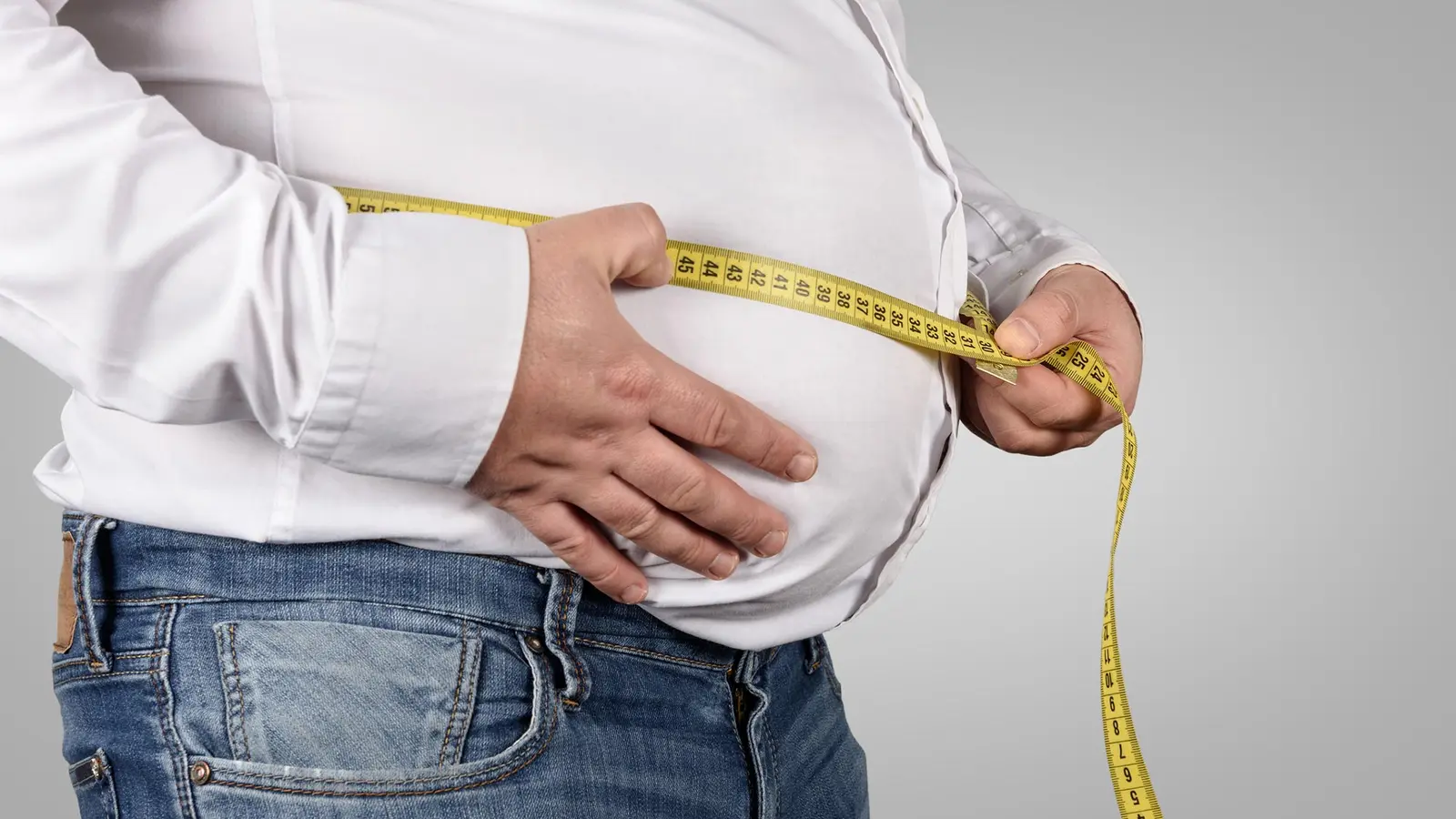
Picture a plate piled high with colorful vegetables, grains, and beans, and imagine feeling genuinely satisfied while the numbers on the scale drift downward. That counterintuitive outcome is the core finding of a recent randomized clinical trial published in JAMA Network Open: people eating an unrestricted low-fat vegan diet lost weight without deliberately eating smaller portions.
How the trial measured what mattered
The study ran for 16 weeks and enrolled adults with overweight. Participants were randomized to one of two paths: continue their usual diet, or switch to an ad libitum low-fat vegan diet centered on fruits, vegetables, whole grains, and legumes. Ad libitum means they could eat until they felt full; there was no calorie counting target.
Instead of focusing on portion control, researchers looked at dietary energy density, a simple ratio: total calories consumed divided by the total weight of food eaten in a day. Energy density expresses how many calories are packed into each gram of food. The lower that number, the fewer calories someone takes in for the same volume of eating.
Two striking patterns emerged. First, participants following the vegan plan consumed about the same mass of food as before, so the sheer weight on the plate did not shrink. Second, the calories per gram of their diets fell dramatically, by roughly 30 percent, producing a mean reduction in daily calorie intake on the order of 357 kilocalories compared with baseline patterns. In short, same volume, fewer calories, measurable weight loss.
What changed on the plate and why it matters
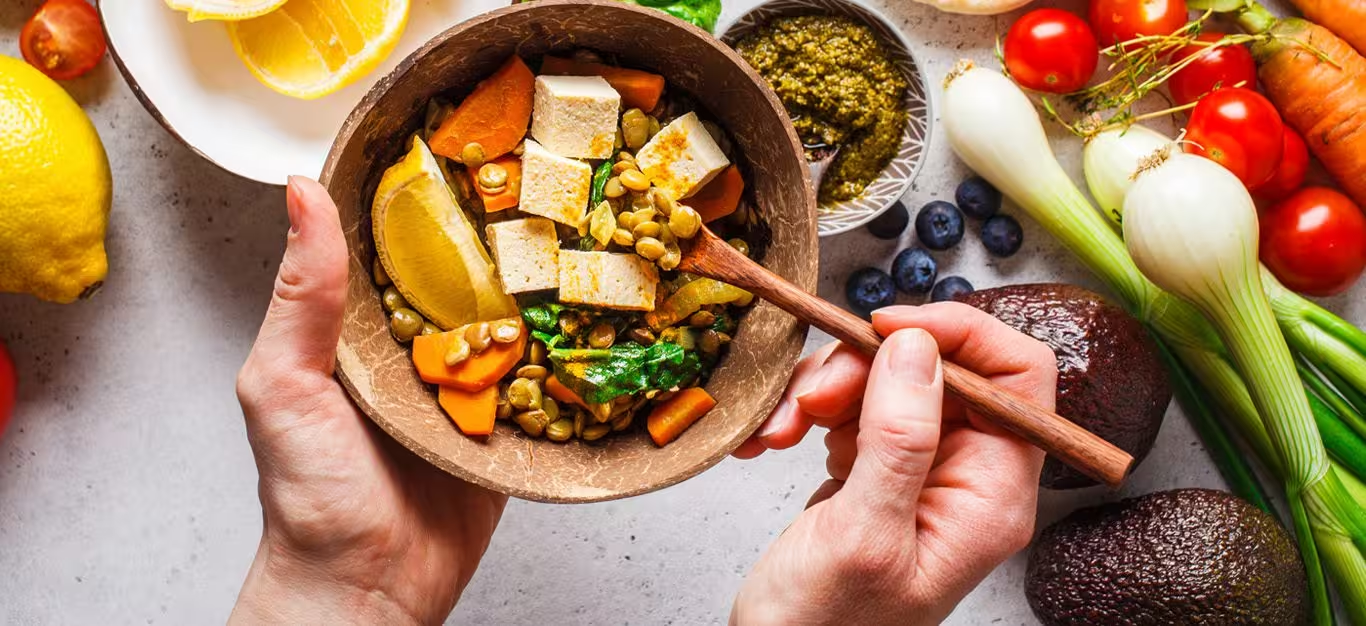
The dietary switch removed many calorie-dense animal products such as meat, dairy, and eggs, and replaced them with high-volume, low-calorie-per-gram options: leafy greens, cooked vegetables, legumes, fruit, and whole grains. These foods tend to be rich in water and fiber, both of which dilute energy density. Fat, by contrast, delivers a lot of calories in small amounts. The cumulative effect of those food choices lowered the diet’s energy density and, with it, the daily calorie load—even when people ate until satisfied.
Why focus on energy density rather than calories alone? Because energy density links directly to how filling a meal feels. Controlled feeding studies have repeatedly shown that meals with lower energy density promote fullness and reduce subsequent intake without reducing the absolute amount of food served. In practice, that means a large bowl of vegetable-and-legume stew can curb appetite more effectively than a smaller, fat-heavy portion with the same calories.
Importantly, the trial found that reductions in energy density predicted weight loss even after adjusting for changes in reported calorie intake. That suggests this metric captures behavioral and physiological dynamics that simple calorie totals may miss—satiety, meal pacing, and the tendency to snack after nutrient-poor meals, for example.
Implications for clinicians and the public

For clinicians counseling patients on weight management, the take-away is pragmatic: advise food choices that lower energy density rather than prescribing strict calorie targets or urging constant willpower. That approach fits better with real-world eating habits and may be more sustainable. It also reframes success. People do not have to eat less; they can eat differently.
From a public-health perspective, promoting diets that emphasize water- and fiber-rich plant foods could reduce average calorie intake across populations without amplifying hunger. That has potential to complement other interventions, such as portion guidance, behavior modification, and metabolic monitoring.
Expert Insight
"Energy density gives people a practical handle on eating behavior," says Dr. Elena Rivera, a clinical nutrition researcher who was not involved with the study. "It aligns physiology with choices. When you replace calorie-dense items with high-fiber, water-rich alternatives, your appetite signals do the work for you. That tends to be easier to maintain than perpetual calorie counting."
Dr. Rivera adds that future research should follow participants for longer periods and measure metabolic markers beyond weight, such as blood lipids and glucose regulation, to assess broader health impacts.
Scientific background and next steps
Energy density is not a new concept in nutrition science, but this randomized trial strengthens causal inference by showing that a deliberate shift in diet composition can lower energy density and produce clinically meaningful weight loss under ad libitum conditions. The trial complements earlier laboratory-based feeding studies by testing the idea in free-living adults over several months.
Open questions remain. How durable are the weight changes after a year or two? Do different population groups respond the same way—older adults, people with diabetes, or those with differing cultural food patterns? And what role do taste preferences and food environment play in sustaining a lower-energy-density diet?
Technological tools could help. Smartphone apps that estimate the energy density of meals, meal-planning platforms that suggest swaps to reduce calories per gram, and public guidelines highlighting simple swaps (for example, doubling vegetables while halving high-fat animal components) may accelerate adoption.
Conclusion
The trial provides a clear, actionable insight: reduce the calories packed into each gram of food and you can lower daily energy intake without shrinking portions. For many people, that is a less punitive and more sustainable route to weight loss. Choosing foods with higher water and fiber content—vegetables, legumes, fruits, and whole grains—appears to be the practical lever. Diet quality matters, not just quantity.

“My work centers on sustainability, energy, and environmental science — examining how innovation can lead to a greener future.”

Discussion
Leave a Comment
Comments (2)
Hmm is this for real? 357 kcal drop sounds big, but self reported intake, short 16 weeks, what about satiety hormones, longterm regain? curious, not sold yet
wow, didn't expect eating more volume could still shrink the waistline... plant power works! been trying swaps like that, feels doable, curious about long term tho