
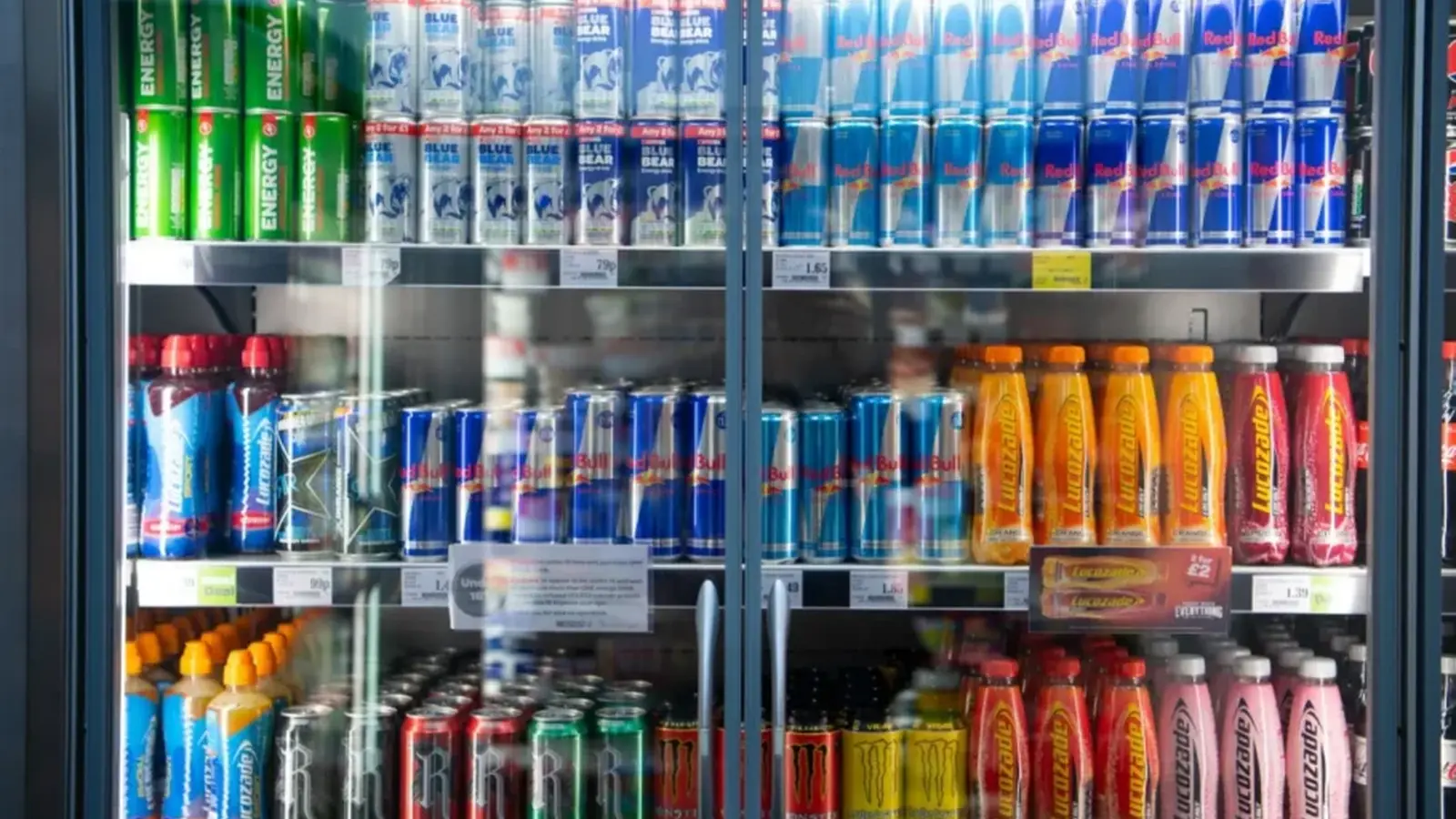
A sudden flutter in the chest. A dizzy spell that ends in a trip to the emergency room. These scenes are becoming an uncomfortable part of conversations about energy drinks and stimulant supplements.
Data that raises alarms
Researchers presenting at the American Heart Association Scientific Sessions reviewed more than 28,300 medical reports and found a worrying pattern: products that contain caffeine and other stimulants were tied to far higher rates of serious heart events than products without those ingredients. Reports of heart attack were about 4.5 times more common, while ventricular arrhythmias and palpitations were roughly four times higher in the stimulant group.
Almost half of the cardiovascular events linked to stimulant-containing products involved adults aged 18 to 34, a cohort that consumes a large share of energy drinks in the United States. Symptoms such as rapid heartbeat, chest pain, fainting and lightheadedness were also reported more frequently when stimulants were present.
What counts as a stimulant?
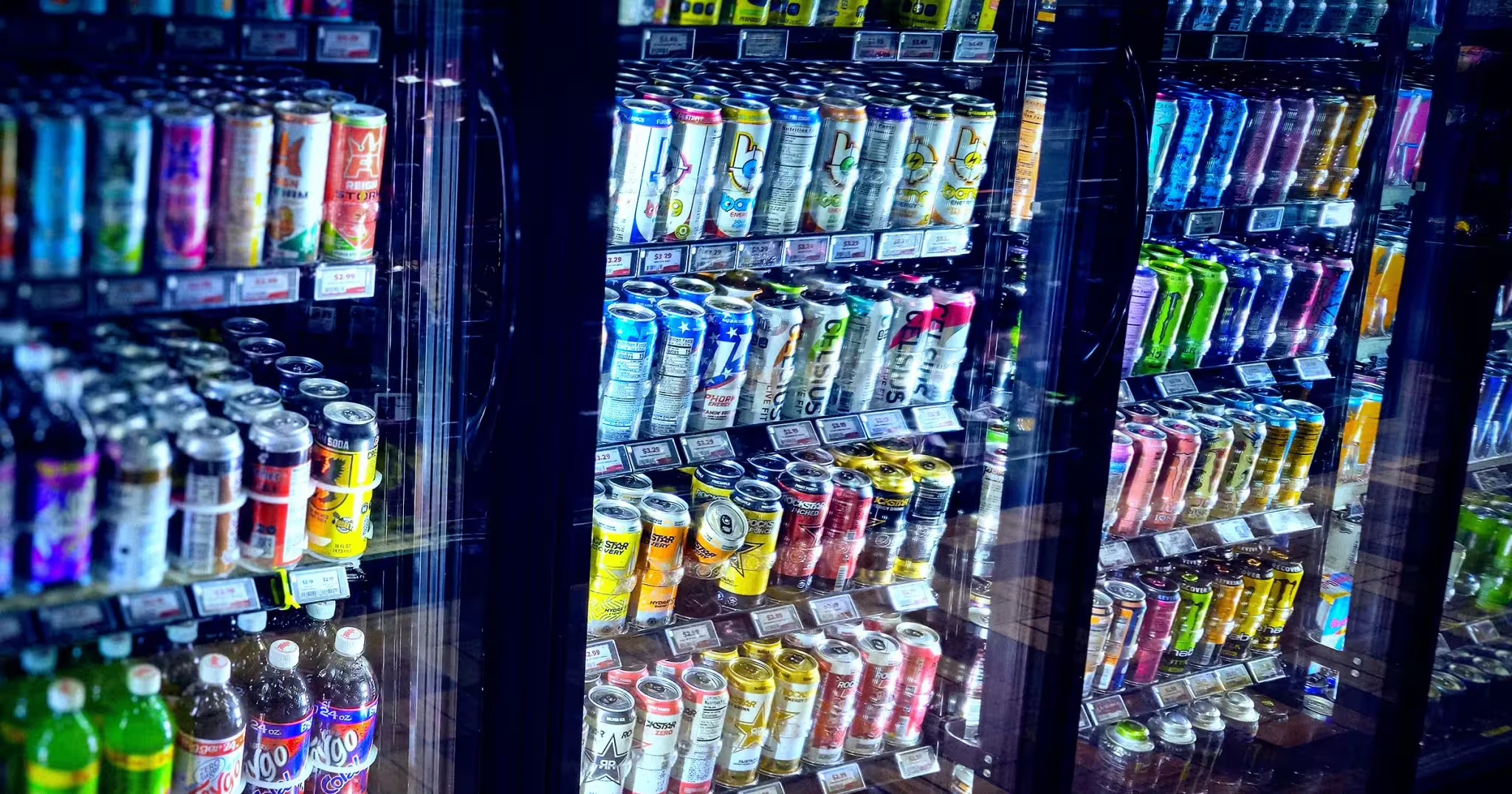
The study did not limit itself to canned energy drinks. Investigators cast a wide net across beverages, protein bars, smoothies and vitamin supplements. Substances highlighted in the analysis included caffeine, methylxanthines, guarana, yerba mate, synephrine and yohimbine. Some of these names will be familiar; others less so. What they share is the potential to increase heart rate, blood pressure or electrical instability in the heart.
Context matters. The American Heart Association has stated that for most adults a total daily intake of up to 400 milligrams of caffeine appears to be within a safe range. That amount is roughly equal to five standard 237 milliliter cups of black coffee. But some energy drinks can contain up to three times the caffeine of brewed coffee, and certain pre-workout supplements may have more than twelve times the caffeine of a single cup. That means a single serving of some products can push users past the recommended daily limit.
Why combinations worry doctors
It is not only caffeine. When synephrine, yohimbine or stimulants such as methylhexanamine appear alongside caffeine, their combined effects are not fully understood. Researchers warn these mixtures could amplify cardiovascular risk, especially in people who are unaware they have underlying heart issues.
Importantly, the findings were presented at a scientific meeting and have not yet appeared in a peer-reviewed journal. That limits how definitively we can interpret cause and effect. Still, the signal in this large set of reports is strong enough to prompt caution.
Practical advice for consumers
- Monitor total stimulant intake from all sources: drinks, supplements and fortified foods.
- Watch for warning signs: palpitations, chest pain, rapid or irregular heartbeat, lightheadedness or fainting.
- Young adults should be especially mindful, since nearly half of reported events involved people 18 to 34 years old.
- Ask a clinician about safe caffeine limits if you have cardiovascular risk factors or a family history of heart disease.
Think of stimulants as revving an engine. In small, known amounts the engine runs. Add too many revs, or mix unknown fuels, and the machine may seize.
Conclusion
The American Heart Association study adds to growing evidence that stimulant-containing products can pose cardiac risks, particularly for younger consumers. Until peer-reviewed analyses are published, the prudent approach is awareness: check labels, track total stimulant consumption and seek medical advice if you experience concerning symptoms.


“The cosmos has always fascinated me. I write about space missions, astronomy, and the technologies pushing humanity beyond Earth.”

Discussion
Leave a Comment
Comments (1)
Wow, yikes. I used to gulp energy drinks after late shifts, never thought heart attacks could be tied to them. kinda scared now...