
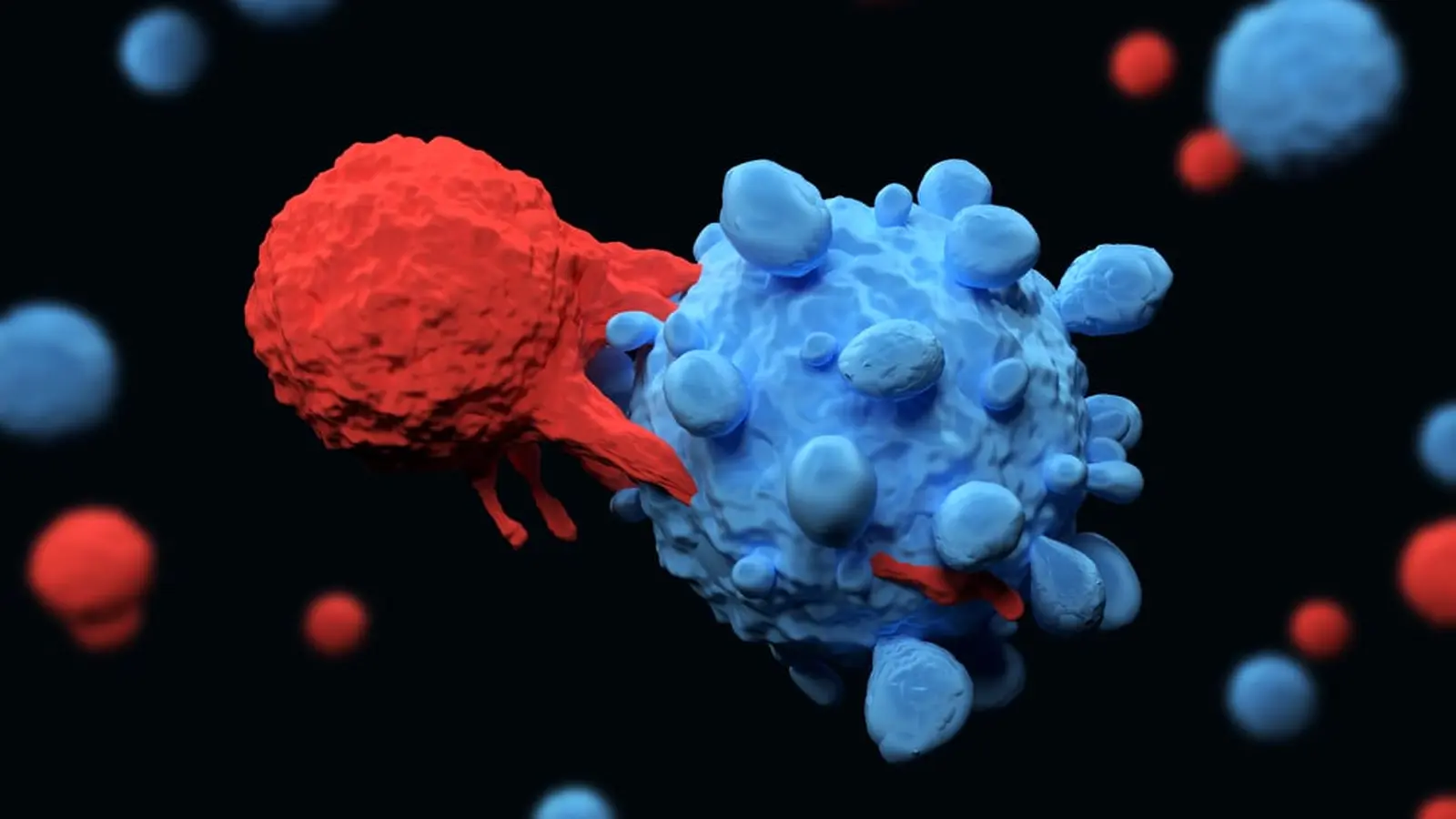
Imagine immune cells not only opening doors into cancer cells but also turning the cell's own iron into a weapon. That is what researchers at the University of Michigan have observed in laboratory and animal studies. A protein long known as the gateway for destructive enzymes may have an unexpected solo act: converting iron-dependent chemistry into a lethal blow for tumors.
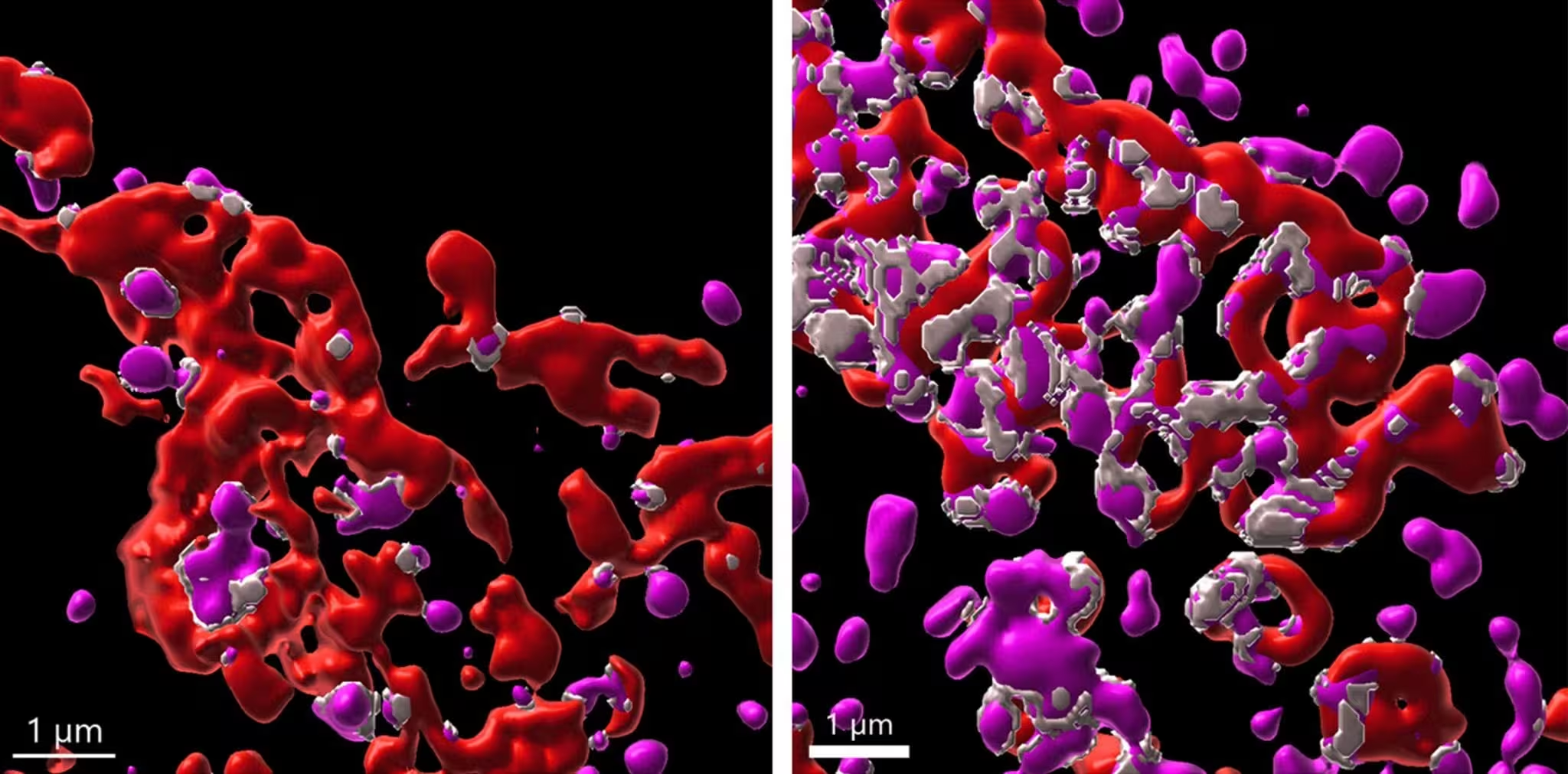
Perforin increases endosomal-mitochondrial contact sites in tumor cells. The left has no perforin; the right has perforin.
Perforin, granzymes, and a missing piece
T cells and natural killer cells use a familiar tactic when they assault a target: they poke holes in the target cell membrane with perforin and inject granzymes, proteases that trigger cell death. That model has guided immunology textbooks for decades. But recent experiments show perforin can act without its usual partners.
Researchers combined genetic, biochemical, and animal studies, and examined human tumor data. They found that when perforin is present, tumor cells can die through ferroptosis, a distinct, iron-driven form of cell death characterized by the buildup of oxidized lipids on membranes. When major granzymes were absent, tumors could still be eliminated. Conversely, when perforin itself was lost, immune control of tumors failed dramatically.
Why does this matter? Because ferroptosis differs fundamentally from apoptosis, the canonical programmed cell death induced by granzymes, and from pyroptosis, which is typically associated with inflammatory responses to infection. Ferroptosis depends on iron and lipid peroxidation, and perforin appears to coax iron into the wrong cellular compartments, including mitochondria, triggering a cascade of oxidative damage.
How perforin flips iron against tumors
The mechanistic picture emerging is both elegant and unsettling. Perforin perforates, yes, but it also disrupts iron handling. The protein increased contacts between endosomes and mitochondria in tumor cells. That change likely reroutes iron into mitochondria where it catalyzes lipid oxidation. The result is a rapid accumulation of lipid peroxides that collapse membrane integrity and kill the cell.
Ferroptosis is relatively new as a field, only formally named a little over a decade ago, but it has drawn intense attention because it offers an alternative route to destroy cells that resist apoptosis. Many cancers develop defenses against apoptosis, so an iron-dependent pathway represents a promising complement to existing therapies.
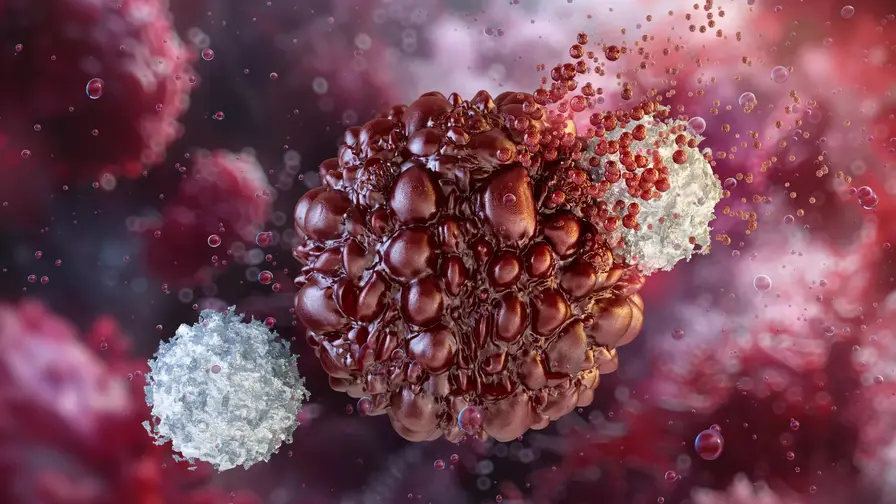
It is not yet clear which tumors are most vulnerable to perforin-driven ferroptosis. Some tumor types thrive on iron. For those cancers, more iron could be harmful to the patient. In mouse models fed an iron-enriched diet, tumors progressed more slowly when perforin was active, but researchers caution against translating that into dietary advice. Biology is context dependent and tumor types differ in how they use and store iron.
Clinical signals and future directions
Analysis of patient data revealed a meaningful correlation: higher perforin expression associated with improved survival and better responses to immune checkpoint blockade therapies, treatments that lift inhibitory signals on immune cells. These are associations, not proof of causation, but they point toward a real connection between perforin levels and clinical benefit.
That raises a practical question. Can we amplify perforin-mediated ferroptosis to make immunotherapy more effective? Or can we identify biomarkers that indicate which tumors will succumb to iron-driven lipid oxidation? Researchers plan to map susceptibility factors in tumor cells, to test whether ferroptosis works alongside other killing mechanisms, and to explore how checkpoint blockade may synergize with this newly appreciated pathway.
Potential therapeutic angles include drugs that promote lipid peroxidation in tumor membranes, agents that modulate iron trafficking inside cancer cells, or strategies to enhance perforin delivery and function by cytotoxic lymphocytes. Each approach faces challenges, including toxicity and the risk of harming normal tissues that also rely on iron.
Expert Insight
Dr. Maria Alvarez, an immunologist and cell death researcher at a major cancer institute, commented: "This work reframes our thinking about how immune cells kill. Perforin is no longer just a portal. It can instigate a biochemical chain reaction inside the tumor cell. That opens new therapeutic possibilities but also demands careful mapping of which tumors are sensible targets. Precision will be essential."
Her point is practical. Any attempt to leverage ferroptosis will need to balance efficacy with safety. Tumor heterogeneity, the tumor microenvironment, and a patient's iron metabolism each influence outcomes. Biomarkers that predict ferroptosis sensitivity would help tailor interventions and avoid unintended harm.
Conclusion
The discovery that perforin can drive ferroptosis adds a surprising chapter to the story of immune-mediated tumor control. It suggests immune cells carry not only tools to pry open targets but also the means to trigger an internal biochemical trap. Translating this into better cancer treatments will require careful experiments, clinical insight, and biomarkers to identify the right patients.
For now, the finding expands our toolbox conceptually. It reminds us that cell death is not a single pathway but a network with multiple entry points. If researchers can learn what makes a tumor susceptible to perforin and iron-driven lipid oxidation, they may find new ways to tilt the balance toward durable tumor control.

“My work centers on sustainability, energy, and environmental science — examining how innovation can lead to a greener future.”

Discussion
Leave a Comment
Comments
No comments yet. Be the first.