
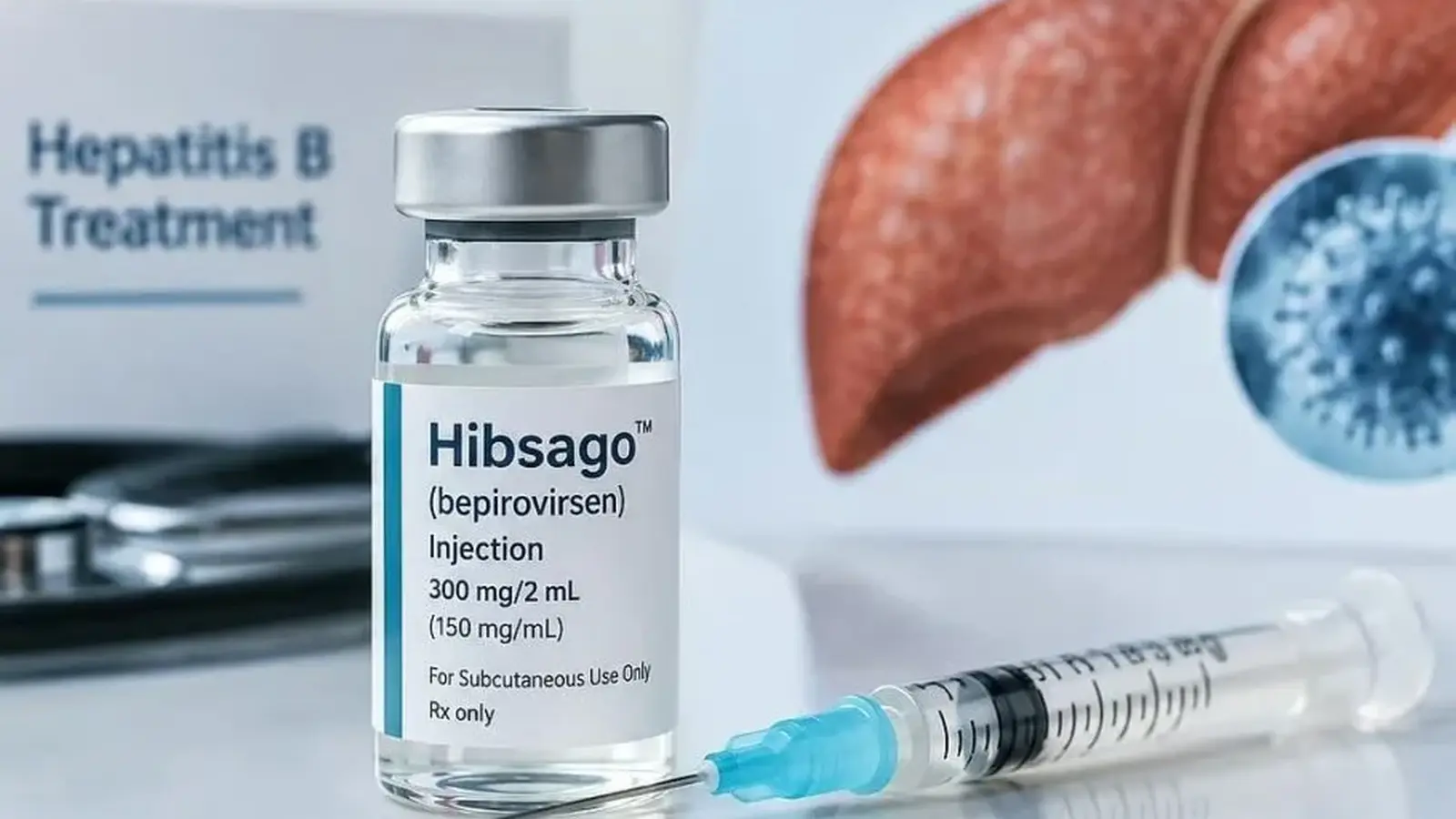
A single injection can feel like a revolution for a person who has spent years tethered to daily antivirals. That is the promise now attached to Hibsago, an injectable drug from GSK that the US Food and Drug Administration has approved for certain adults with chronic hepatitis B.
What Hibsago does and why it matters
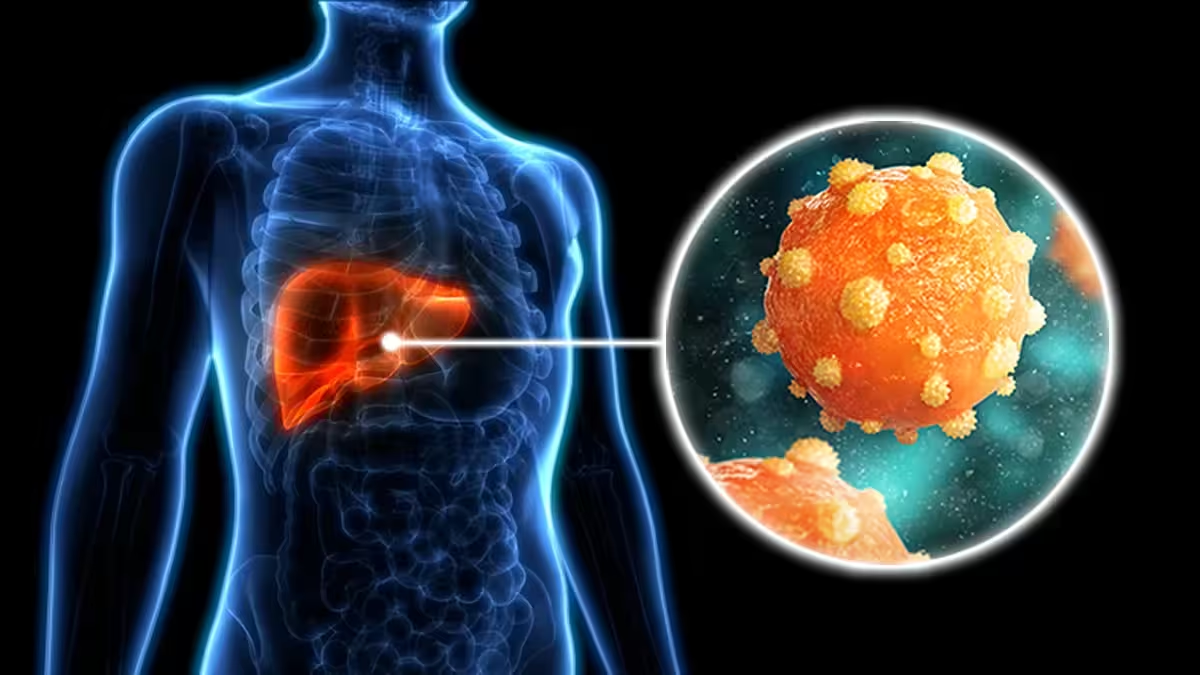
Hibsago, known in the lab as bepirovirsen, aims for what clinicians call a functional cure. In plain terms, that means suppressing both hepatitis B viral DNA and the surface protein HBsAg so effectively that they remain undetectable in the blood for at least 24 weeks after treatment stops. The virus may not be eradicated from the body completely, but the immune system can keep the infection in check without continuous antiviral medication.
Trial data: promising, but selective
Two phase 3 trials enrolled adults who had been on certain antivirals for at least six months and who did not have cirrhosis. Among participants whose HBsAg level at baseline was no higher than 3,000 IU per milliliter, 19 percent achieved the functional-cure criteria after treatment with Hibsago. By contrast, the standard of care produced functional cures in less than 1 percent of similar patients after 12 months.
Key numbers to remember
- 24 percent of Hibsago recipients met conditions that allowed them to stop prior antiviral therapy, versus 0 percent in the placebo group.
- 19 percent of treated patients maintained viral control and undetectable HBsAg 24 weeks after stopping all hepatitis B treatment.
Those percentages are significant because chronic hepatitis B has long forced many patients into life-long antiviral regimens. Yet the results also underscore limits: Hibsago is not effective for everyone, and trial participants were a carefully selected group.
Who is eligible and how it’s given
The FDA’s approval comes with defined eligibility rules. Patients must not have cirrhosis and must have completed at least six months on specific antiviral therapies. GSK says the recommended course is about six months, and after an initial dose administered in a clinic, patients can self-inject subsequent doses at home.

The agency granted Hibsago priority review and described the treatment as pioneering in its potential to change outcomes for a subset of patients with chronic hepatitis B. That regulatory language highlights that the drug offers a meaningful improvement relative to existing therapy for those who meet the criteria.
Why hepatitis B still matters globally
Chronic hepatitis B infects an estimated 250 million people worldwide and causes more than one million deaths annually. It is a leading cause of cirrhosis and hepatocellular carcinoma, accounting for roughly 56 percent of liver cancers globally. Vaccines exist and are highly effective, but gaps in access and vaccine uptake in parts of the world, plus insufficient screening, leave many infections undetected until advanced disease appears.
Mother-to-child transmission remains a major driver of new chronic infections. Cultural barriers and misconceptions about transmission pathways can complicate prevention efforts, even where vaccines or treatments are available.
Expert Insight
“This approval marks the start of a new chapter in chronic hepatitis B care,” says Norah Terrault, chair of the Division of Gastroenterology and Hepatology at Keck School of Medicine of USC. “We now have a tool that, for a subset of patients, can free them from indefinite antiviral therapy and restore a degree of immune control we rarely saw before.”
Dr. Ava Martinez, a hepatology researcher not involved with the trials, adds: “Hibsago’s effects are encouraging, but we must expand study populations and follow patients longer. The real test will be whether these gains hold over years and across diverse patient groups.”
Looking ahead
Hibsago’s approval is a milestone rather than a cure-all. For the patients who meet eligibility criteria, it offers a credible path to stop continuous antivirals and achieve durable viral suppression. For clinicians and researchers, it provides both a new therapy and fresh momentum to refine strategies that could broaden benefits to more people living with hepatitis B.
As uptake begins, surveillance and additional trials will be essential: to monitor long-term outcomes, to evaluate safety in broader populations, and to explore combination approaches that might increase the share of patients who attain a functional cure.

“My work centers on sustainability, energy, and environmental science — examining how innovation can lead to a greener future.”

Discussion
Leave a Comment
Comments (1)
wow, a shot that could free ppl from daily pills? if it really lasts 24wks that's huge... but curious about long term risks