
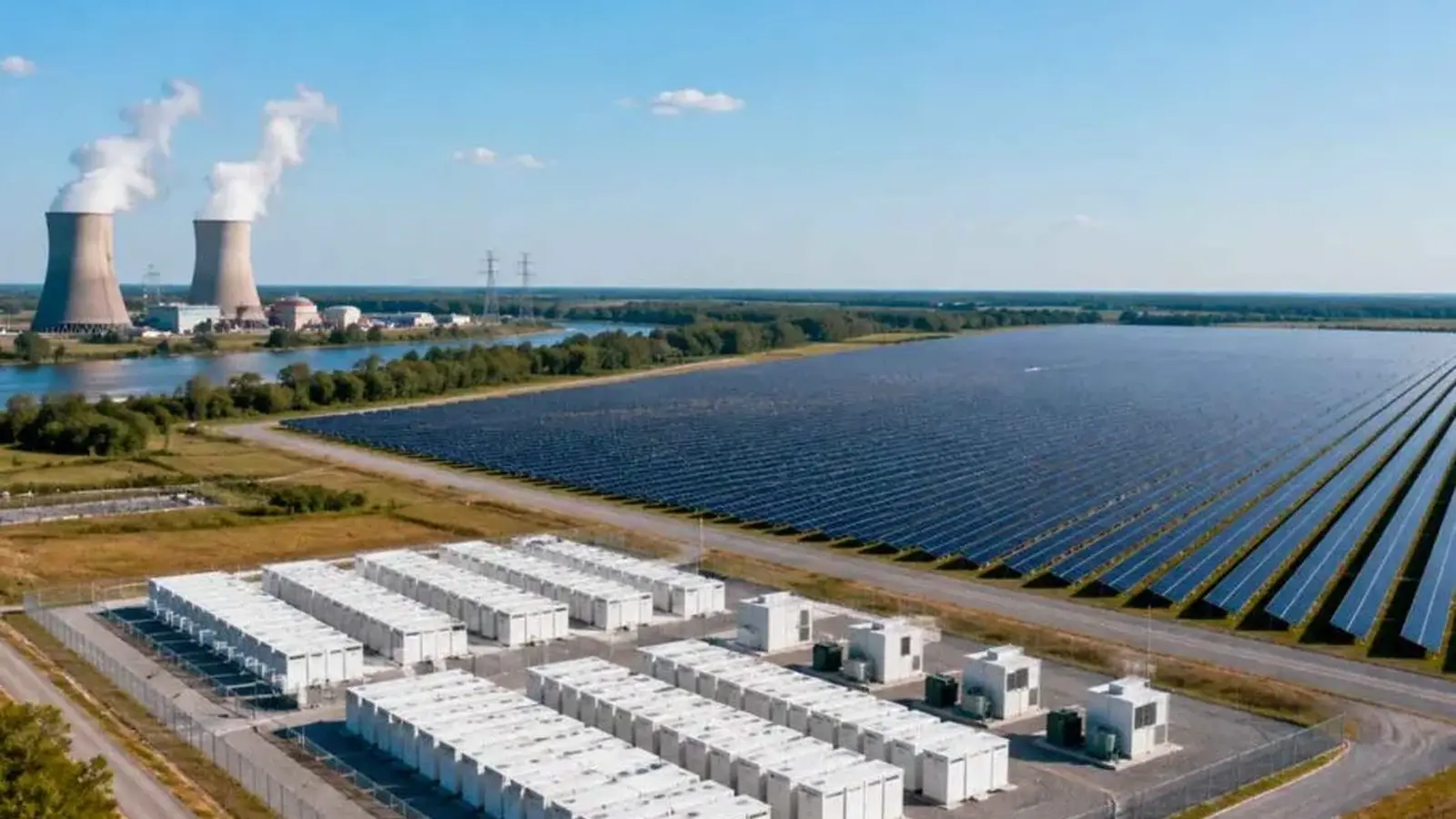
Imagine electricity charts flipping their long-standing script. That happened in 2025 when solar generation outpaced nuclear power across the year for the first time. The change did not arrive as a sudden shock. It followed years of steady solar and wind deployment, shrinking costs for batteries, and persistent delays in new nuclear projects.
A turning point in generation and capacity
According to the World Nuclear Industry Status Report 2026, wind overtook nuclear in monthly generation in March 2025, and solar did the same in April. From March 2025 through June 2026, either solar or wind alone produced more electricity than nuclear every month. In March, April, and May 2026 both renewables separately generated more power than nuclear.
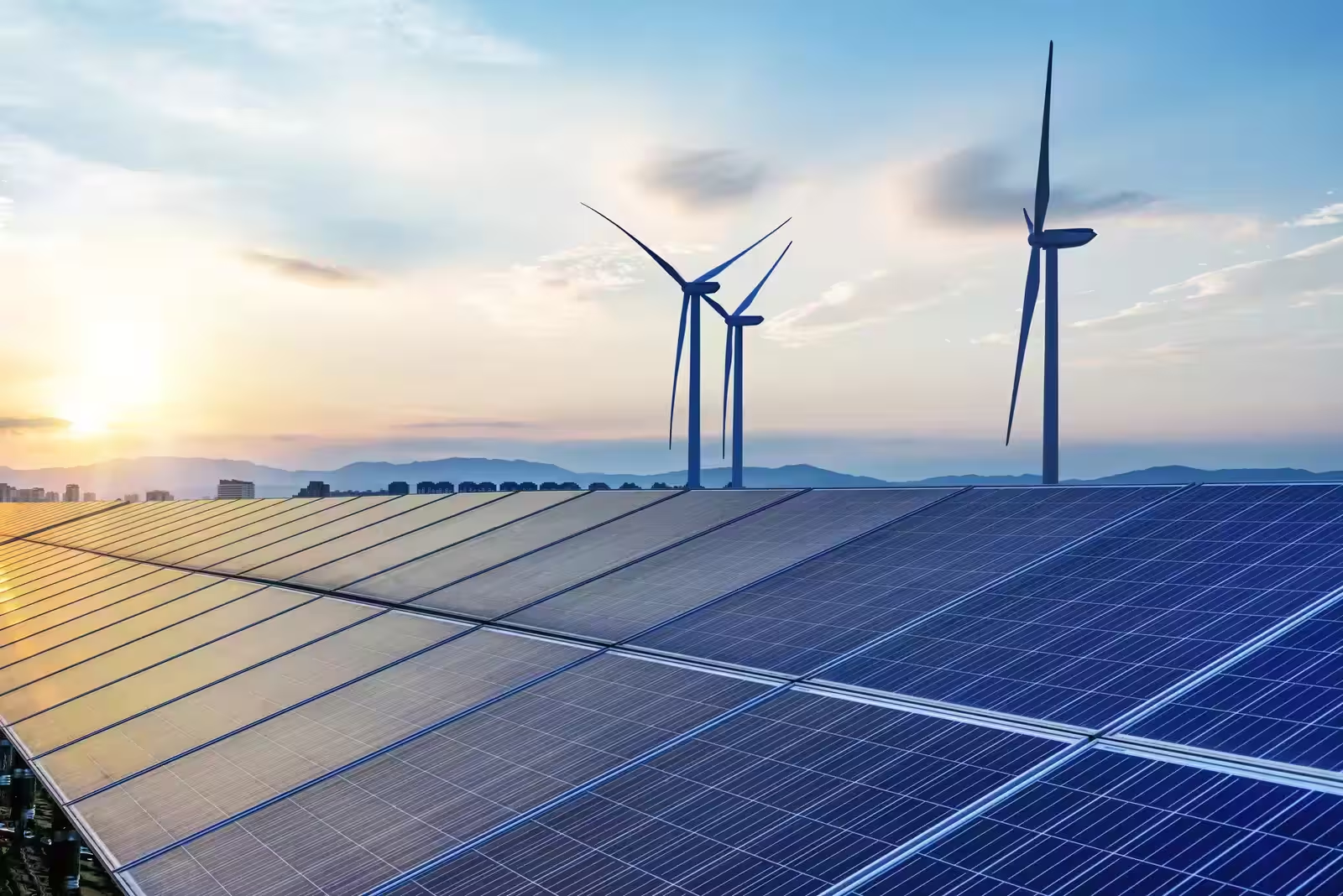
Installed solar capacity expanded by about 510 gigawatts in 2025, reaching roughly 2,383 gigawatts worldwide, a jump of 27 percent year on year. Wind added a record 159 gigawatts, taking global wind capacity to approximately 1,291 gigawatts, up 14 percent. By contrast, nuclear capacity rose by only 1.5 gigawatts to near 399.5 gigawatts, while operating nuclear capacity edged down by 0.5 gigawatts to about 368.6 gigawatts. The report notes that global nuclear capacity has been largely flat for more than 25 years, while renewables, especially solar, have surged.
Why this matters for grids and policy
Solar and wind are intermittent. They do not run continuously like a conventional thermal plant. Yet their rapid growth is supported by falling battery costs. Cheaper batteries help networks smooth variability, store excess summer generation, and reduce episodes when prices plunge to very low or negative values.
Nuclear faces different obstacles. Building new reactors often means complex regulatory reviews, long construction timelines, and frequent schedule slippages. Those realities slow capacity growth even where governments aim to keep nuclear in the energy mix.
Numbers that change planning
- Solar: +510 GW in 2025, total ~2,383 GW.
- Wind: +159 GW in 2025, total ~1,291 GW.
- Nuclear: +1.5 GW in 2025, total ~399.5 GW; operating capacity ~368.6 GW.
- Nuclear share of global electricity: 8.8 percent, the lowest in about 45 years.
The shift alters how grid operators and policymakers think about reserve margins, transmission investment, and capacity markets. Where once baseload thinking dominated planning, now flexibility and storage capacity shape procurement decisions. That does not render baseload obsolete. Instead, system design evolves to integrate larger shares of variable generation without compromising reliability.
Conclusion
Solar overtaking nuclear in 2025 marks more than a statistical milestone. It signals a reordering of generation economics and operational priorities. Falling battery prices, rapid deployment of renewables, and a stagnant nuclear expansion together reshaped the global electricity mix. The result will force practical choices: how to integrate variability, where to invest in networks, and how to align policy with rapidly changing technology costs and project timelines.

“The cosmos has always fascinated me. I write about space missions, astronomy, and the technologies pushing humanity beyond Earth.”

Discussion
Leave a Comment
Comments (1)
wow, solar beating nuclear in 2025? didn't see that coming. batteries did the heavy lifting, but grid nods needed, fast. exciting and scary!