
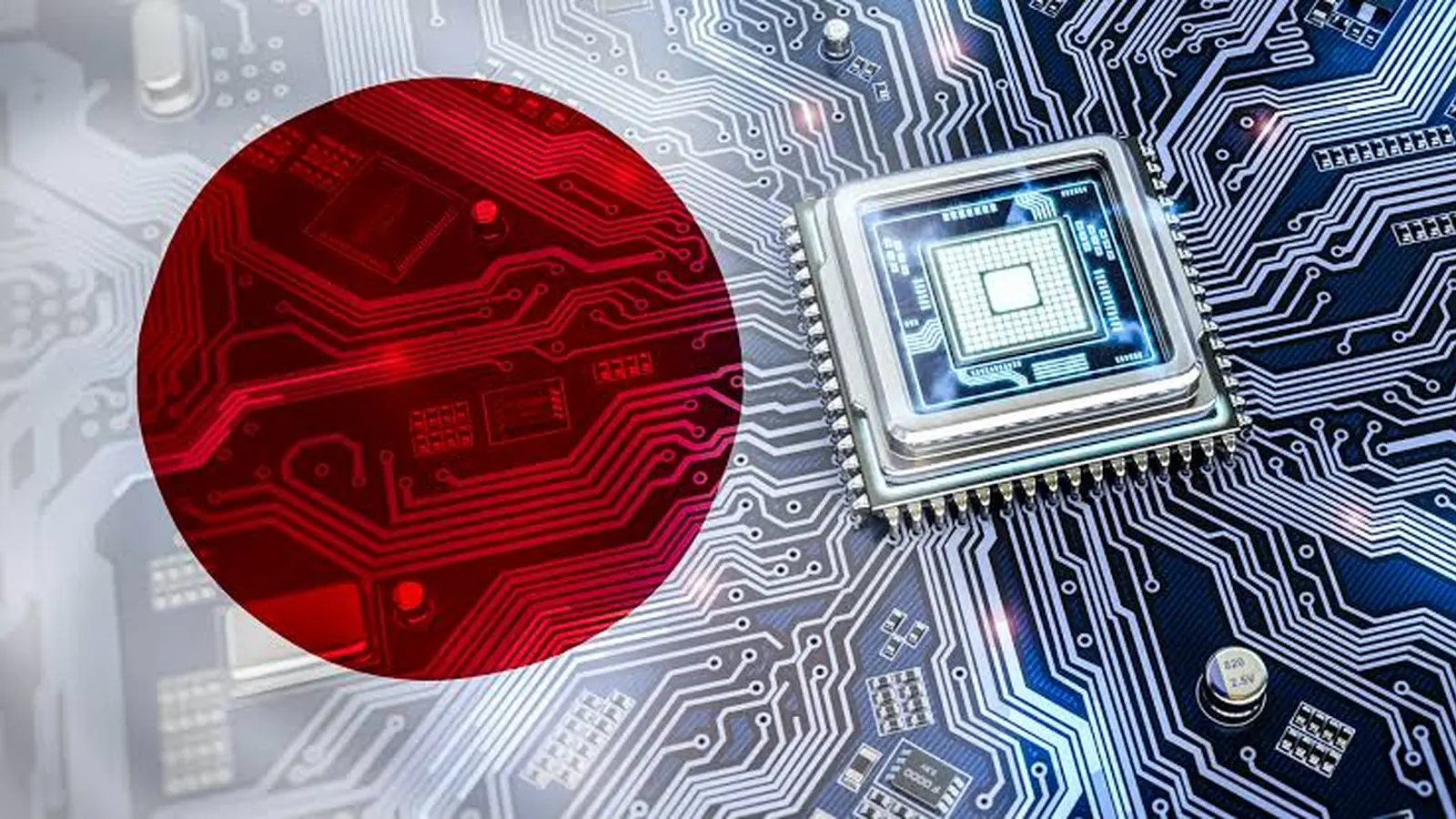
Japan has moved from policy proposal to concrete action, backing startup Rapidus with $15 billion in government support as it begins partnering with 17 chip design firms to jumpstart 2 nanometre production, Reuters reported. The partnerships, which include Synopsys of the United States and Infosys of India, are intended to help customers design chips and to secure commercial orders before mass production.
Rapidus says the arrangements are part of a wider government strategy under Prime Minister Sanae Takaichi to revive Japan's semiconductor industry and reduce reliance on foreign supply chains amid regional tensions. The company hopes to begin volume output in the second half of the next fiscal year and to lock in customers ahead of that ramp.
Industry partners and practical questions
Rapidus has signed cooperation agreements with 17 design companies to support customer chip development. The goal is practical: ensure there is paying demand lined up once the new Hokkaido fab is ready.
"The biggest question for Rapidus remains who will actually fill the factory's capacity," Nori Chiu, an investment director at White Oak Capital, told Reuters, stressing a central commercial risk that the project faces.
Production at the 2 nanometre node requires the most advanced processes in the world, an arena currently dominated by TSMC in Taiwan, Samsung in South Korea and Intel. Japan's share of the global semiconductor market has slipped from roughly 50 percent in the 1980s to under 10 percent today. Rapidus' new plant in Hokkaido is being positioned as Tokyo's main chance to re-enter top-tier manufacturing.
"One or two companies will not by any means be sufficient to meet market demand," Rapidus chief executive Atsuyoshi Koike said, underscoring the need for many commercial partners to sustain continuous fab operations.
Analysts caution that even with customers lined up, running a modern fab is an operational and economic challenge. "Operating a chip factory around the clock, keeping yields stable and continuing production in a way that makes the business economically viable is immensely difficult. Even Samsung has faced challenges on this path," Kazuyoshi Saito, an analyst at Iwai Cosmo Securities, told Reuters.
Rapidus is targeting a public listing in the fiscal year ending 2032 and has also discussed the possibility of expanding manufacturing activities to the United States. Those plans remain company intentions rather than established facts.
The cooperation with design houses is the newest, tangible step in Tokyo's multi year effort to rebuild domestic semiconductor capability. For Rapidus and its backers, the immediate task is turning the design agreements and state funding into sustained commercial orders and repeatable, high-yield production at the Hokkaido facility.


“I cover emerging technologies, digital innovation, and the intersection of tech and everyday life. My goal is to make complex trends accessible and inspiring.”

Discussion
Leave a Comment
Comments
No comments yet. Be the first.