
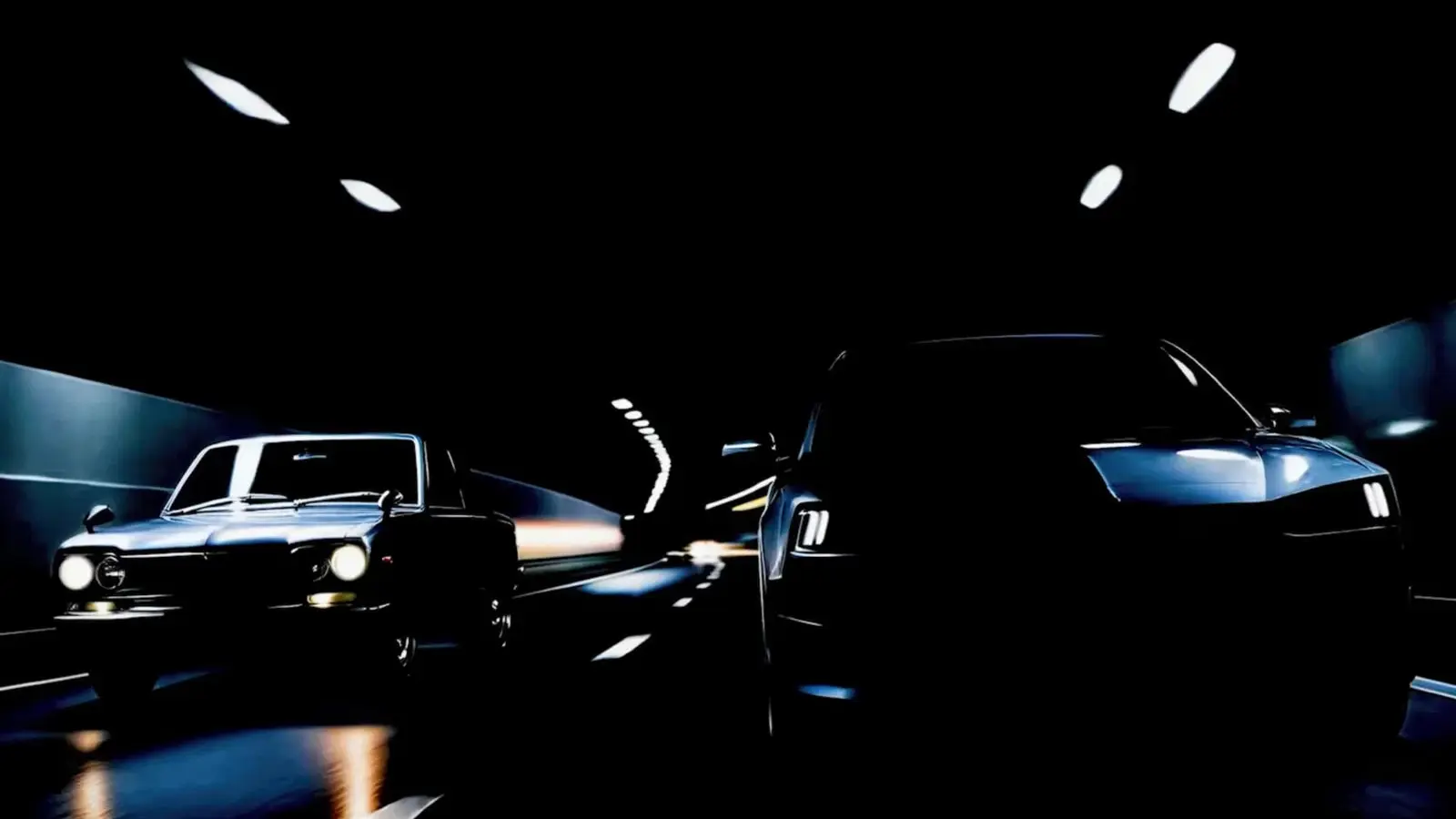
Picture a Nissan design studio humming at night: screens glow, engineers swap rapid-fire notes, and a familiar silhouette gets a new life. That silhouette is the Skyline, and Nissan says the redesigned V38 will appear before the calendar flips on 2027.
How they sped up the pipeline
The surprise isn't so much that the Skyline is returning, but how fast it moved from concept to production. Nissan's CEO Ivan Espinosa told Nikkei Asia the company has radically shortened development times by leaning on digital engineering and artificial intelligence. The math is crisp: the V38 took 26 months to develop, down from 55 months for its predecessor. That's a seismic change for a manufacturer that historically moved at a measured pace.

That acceleration isn't magic. Nissan is reusing known hardware where it makes sense. Expect a carryover FM platform and the 3.0-liter twin-turbo V6 to remain central to the car's character. Enthusiasts may be relieved to hear a manual gearbox is still on the table; the Z has already shown how Nissan can modernize an old architecture without stripping its soul.
At the same time, Nissan is tightening its product architecture. The plan folds models into three broad vehicle families so shared platforms and components can drive scale. The company projects those families will represent roughly 90 percent of global sales, and the first wave includes seven near-term model launches.
Not every new piece in Nissan's puzzle has a name yet. The company is exploring a fresh model to sit between the Serena people carrier and the Note hatchback. And yes, the R36 generation of the GT-R is on the radar; Nissan says more details will come in due course. Patience, then, for those craving the next chapter of the halo sports car.

Technology is the other lever in Nissan's turnaround. Espinosa described heavy use of AI not only in design but also as part of the driving experience. Nissan claims up to 90 percent of its future production models could be equipped with AI-boosted autonomous features. Two months ago, Ariya crossovers running ProPILOT L2++ handled unscripted Tokyo streets without obvious issue. Nissan has described the system as Level 4 capable, but moving from advanced driver assistance to true autonomy brings technical and regulatory hurdles that are far from trivial.
The larger aim across these moves is straightforward: better profitability through smarter product planning and fuller factories. Shorter development cycles, standardized platforms, and more software-driven features are all parts of the same strategy. If it works, Nissan gets leaner and more responsive. If it stumbles, the brand risks diluting what made models like the Skyline and GT-R special.

For now, the immediate takeaway is simple. The Skyline will be back this year in an evolved, familiar form, partnered with the Infiniti Q50 successor. The GT-R will follow on its own timetable. Fans can celebrate the return of a nameplate while keeping expectations measured — Nissan is rebuilding at speed, but the best parts still depend on careful execution.

“I cover automotive innovation, electric vehicles, and the future of mobility — where technology meets sustainability.”

Discussion
Leave a Comment
Comments (2)
skyline back in 2027, huh! excited but nervous... faster dev times cool, just dont kill the soul, keep the V6 and a stick, Nissan pls
26 months? sounds wild. can AI really replace decades of tacit knowhow? Hope they keep the manual, but this reads a bit like marketing spin... is this even true?