
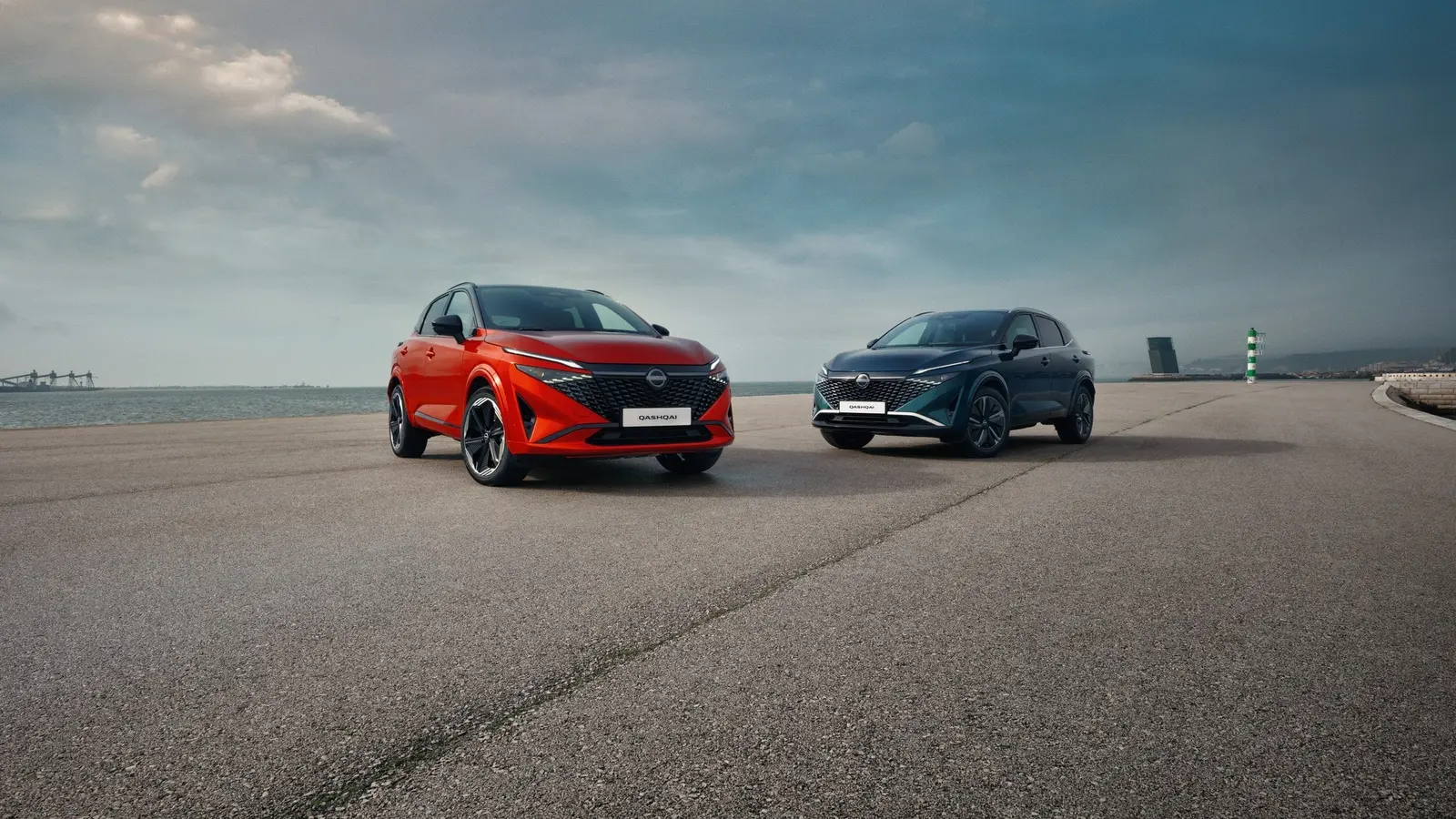
The story began like a whisper in boardrooms and on factory floors: a highly anticipated battery-electric Qashqai, destined for production in Sunderland, was put on ice sometime in the first half of 2025. No flashy press release. No headline parade. Just a quiet rethinking that, if true, reshapes Nissan's European playbook.
Why would a global automaker pull the plug on a model that seemed tailor-made for its most profitable market? The short answer is pressure. Demand for full battery-electric vehicles in Europe has proven uneven. Costs are climbing. Competition from low-cost Chinese EV makers is intensifying. Nissan executives, sources say, are refocusing priorities to stop losses and shrink development spend.

Sunderland's future hangs on a strategic pivot
That factory in northeast England was once slated to be the crown jewel of Nissan's European electrification effort. Plans called for three local battery-electric models, with the Qashqai EV expected to lead the charge. Instead, insiders claim the EV project was shelved indefinitely, with the possibility of revival only in the 2030s. For a plant that has produced more than 4.5 million Qashqais over the last two decades, the news lands like a blow.
So what happens next? Nissan appears to be steering toward hybridized solutions. The company is pushing its e-Power technology hard in Europe. Imagine an electric drive feel without the plug. A small 1.5 liter engine generates electricity, the traction motor delivers the drive, and a modest 2.1 kilowatt-hour battery smooths the experience. Thermal efficiency for that engine is claimed at 42 percent. It is a clever compromise: much of the EV behavior, with lower infrastructure and cost demands.
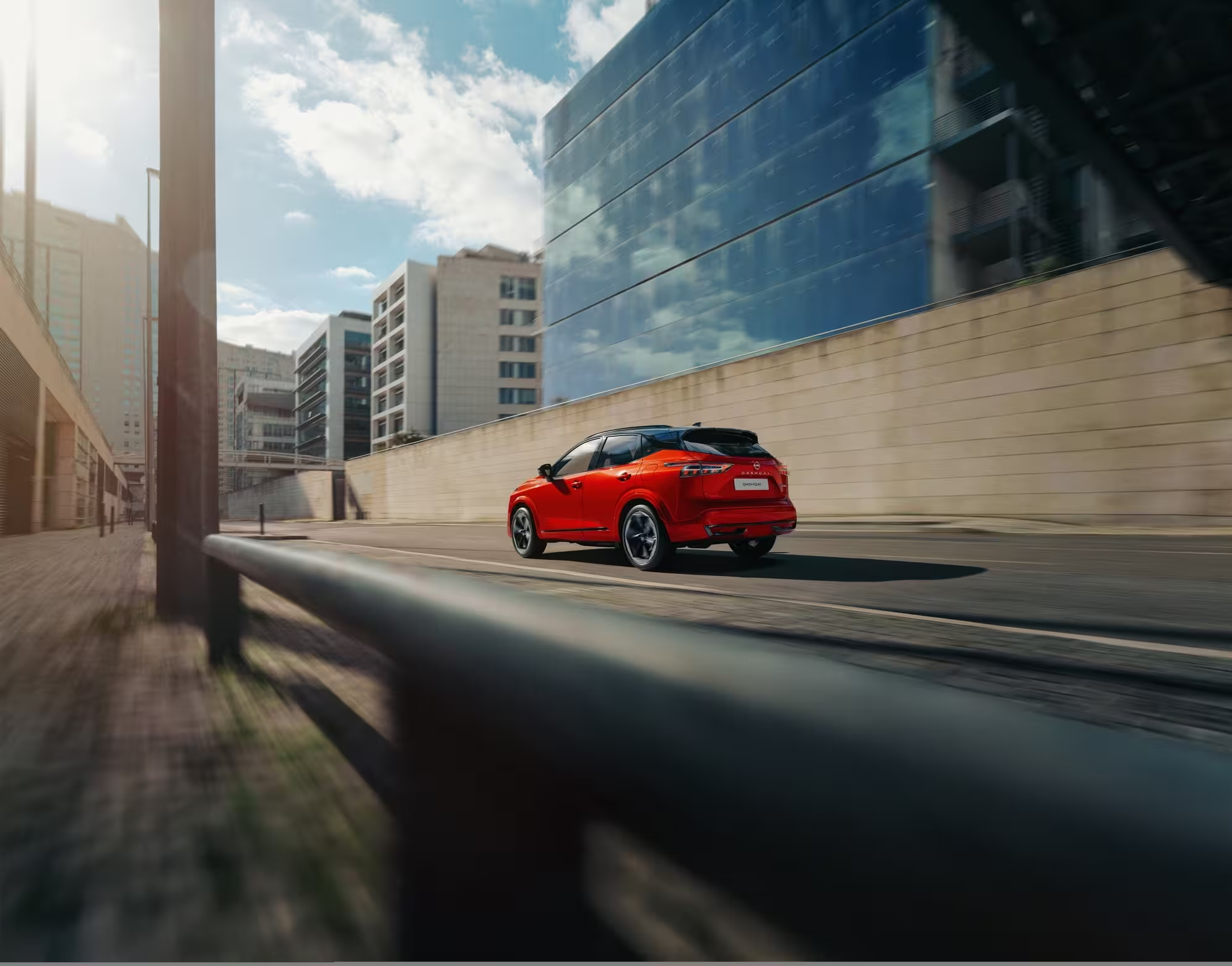
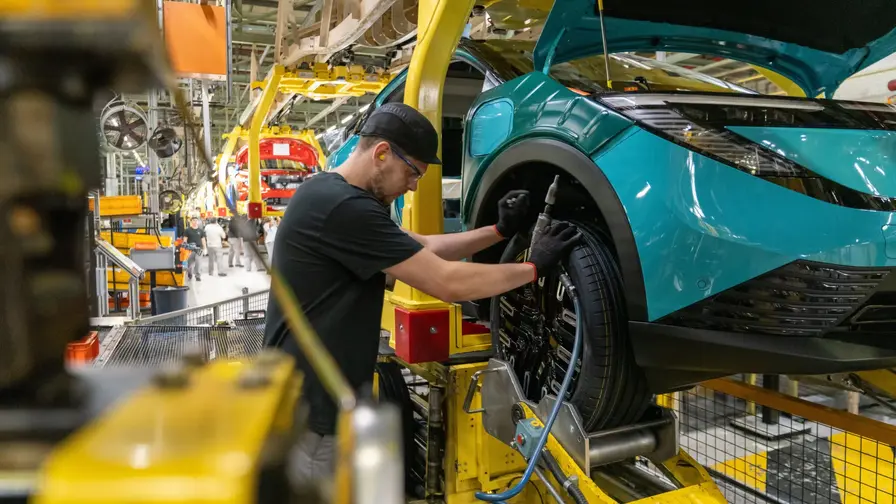
There are consequences beyond product strategy. Localizing production of a three-in-one electric powertrain in Sunderland, once part of the roadmap, is reportedly off the table. That changes investment plans and ripples through supplier networks and jobs. It also signals how fluid the transition to electrification really is; policymakers, consumers, and producers are still negotiating what the future of mobility will look like.
Competition is not abstract. Chinese manufacturers are growing their footprint in Europe with competitively priced EVs, and that price pressure alters profit math for legacy brands. Nissan’s recalibration reads like a defensive move. Cut where returns are uncertain. Double down on technologies that sell today. Delay bets on large-volume fully electric models until clearer demand returns.

There is irony here. The internal combustion Qashqai remains one of Nissan's best sellers across Europe. It was a safe bet to electrify that familiar nameplate and leverage Sunderland’s capacity. Instead, the decision suggests Nissan believes buyers will favor hybrids or range-extended systems over full battery-electric models in the near term.
What does this mean for customers and the market? Expect a heavier push toward electrified hybrids in Nissan showrooms and a slower rollout of pure battery-electric models from the brand in Europe. The Qashqai name may still get an electric version one day, but timing now looks uncertain and tied to broader shifts in consumer demand and regulatory direction.
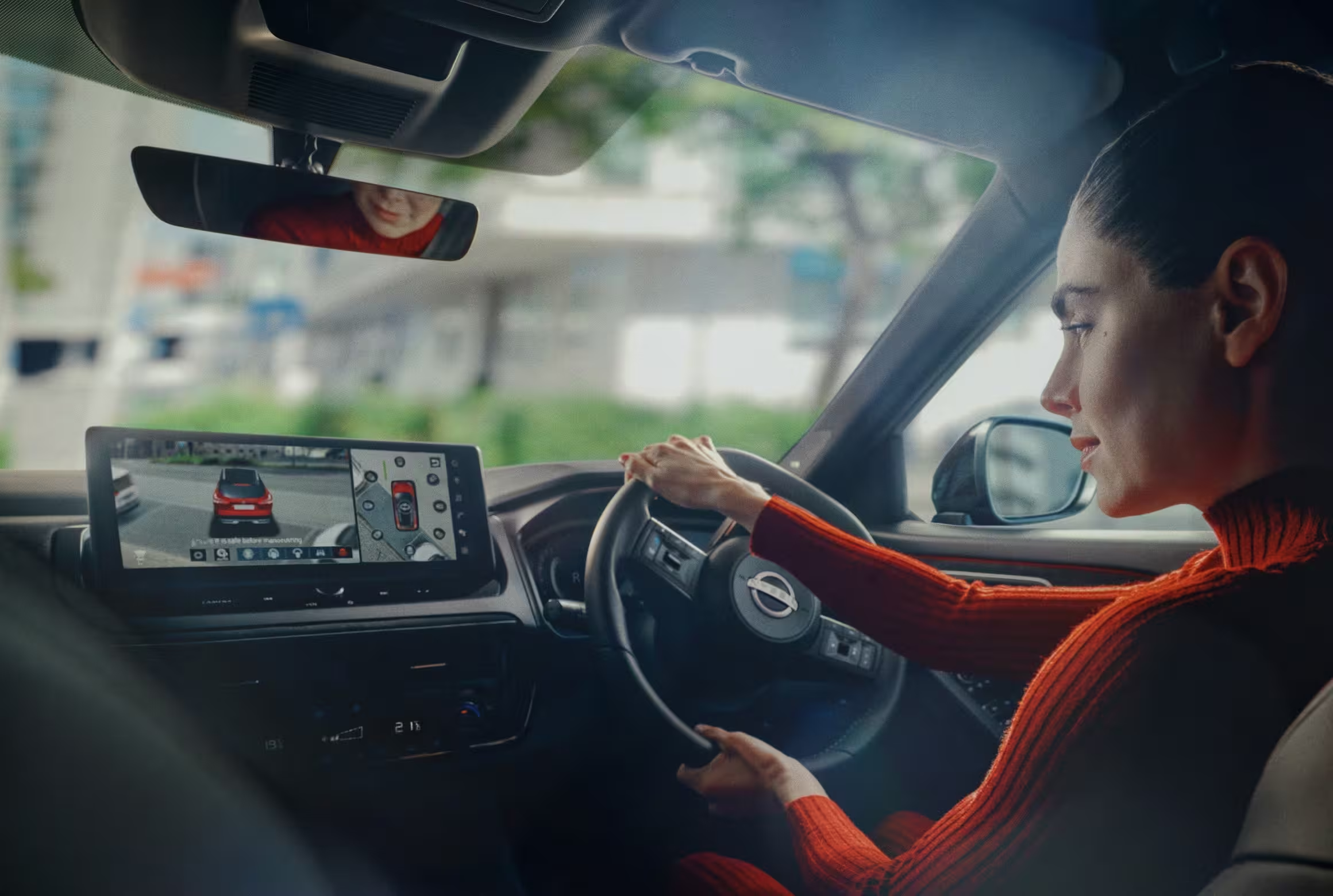
At stake is more than a vehicle. It is a snapshot of an industry in motion, adjusting strategy in the face of cost, competition, and changing attitudes toward electrification. Nissan has not confirmed or denied the reports. Until the company speaks, the Qashqai EV remains a chapter paused rather than closed.

“Cars are evolving faster than ever. I cover electric vehicles, smart mobility, and the future of transportation worldwide.”

Discussion
Leave a Comment
Comments (2)
i used to work with suppliers near Sunderland, this kind of last minute pivot wrecks supply chains. Hybrids might sell but jobs get hit, i've seen it before
quietly shelved the Qashqai EV? sounds odd.. No release, no answers. Is this even real or just cost cutting spin? Sunderland workers must be worried