
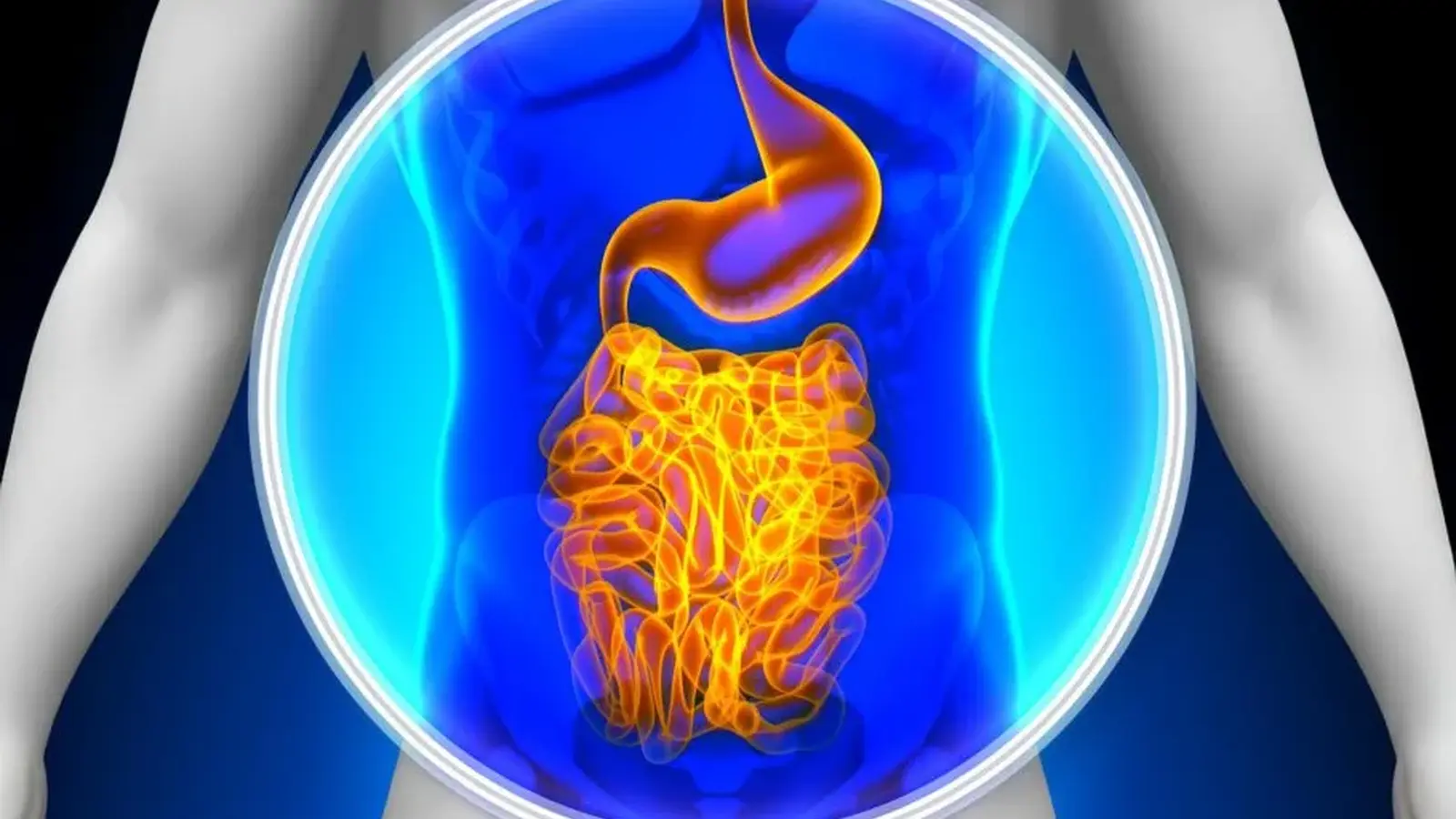
A brisk, comfortable walk does more than wake your legs. It wakes your intestines too, and very fast. Researchers in Japan found that just 20 minutes of self-paced walking markedly boosts measurable bowel activity in healthy adults, with the change appearing within minutes.
How the experiment was run and what the team measured
The study, led by researchers at Fujita Health University and published in Scientific Reports, recruited 21 young, healthy volunteers. Each participant lay down while investigators recorded bowel sounds for one minute using an electronic stethoscope and signal-processing software. Volunteers then walked on a treadmill for 20 minutes at a comfortable pace they chose themselves. After the walk they returned to a lying position and researchers recorded bowel sounds several times over the next 15 minutes.
To quantify intestinal activity the team tracked three simple metrics:
- overall amplitude of bowel sound activity,
- percentage of time bowel sounds were audible,
- number of distinct bowel sounds per minute.
The results were clear. One to two minutes after the walking stopped, all three measures rose significantly compared with the pre-walk resting baseline. Sound amplitude nearly doubled, the intestine was audible for a larger share of the recording time, and the count of individual sounds per minute increased. This surge, however, was short-lived: the heightened activity fell back over the next two to three minutes.
What might be causing the quick response, and why it matters
Why would light exercise trigger such a rapid burst of gut activity? The researchers point to two plausible mechanisms. First, changes in autonomic nervous system balance during and immediately after walking could briefly promote motility. The autonomic nervous system regulates many unconscious bodily functions, including digestion. Second, the mechanical movement and postural shifts that occur while walking may generate reflexes that stimulate peristalsis, the wave-like muscle contractions that propel contents along the gastrointestinal tract.
Put simply, walking seems to produce a short-lived but measurable nudge to the machinery that moves food and stool through the gut. The study offers a physiological explanation for a widely given recommendation: go for a walk if you feel constipated. As the Fujita team summarized, "Walking appears to be an effective, immediate tool to stimulate bowel function," a practical insight for clinicians and patients alike.
Important caveats remain. The experiment involved a small group of healthy young adults; people with chronic constipation, older adults, or those with underlying gastrointestinal disorders may respond differently. The rise in bowel sounds does not directly equate to clinical relief from constipation in all cases. Still, the finding highlights a low-cost, low-risk intervention that produces a measurable effect on gut motility.
For clinicians and science communicators, the study reinforces the connection between simple physical activity and digestive physiology. For the public, it offers a small but actionable tip: when the bowels are sluggish, a short walk might help—fast.


“My work centers on sustainability, energy, and environmental science — examining how innovation can lead to a greener future.”

Discussion
Leave a Comment
Comments (1)
wow didnt expect my intestines to get a pep talk from a walk lol. kinda wild that 20 min can do that, handy tip!