

There are diseases that wear disguises. Fatty liver disease has been among the most successful at hiding in plain sight.
When one label no longer fits
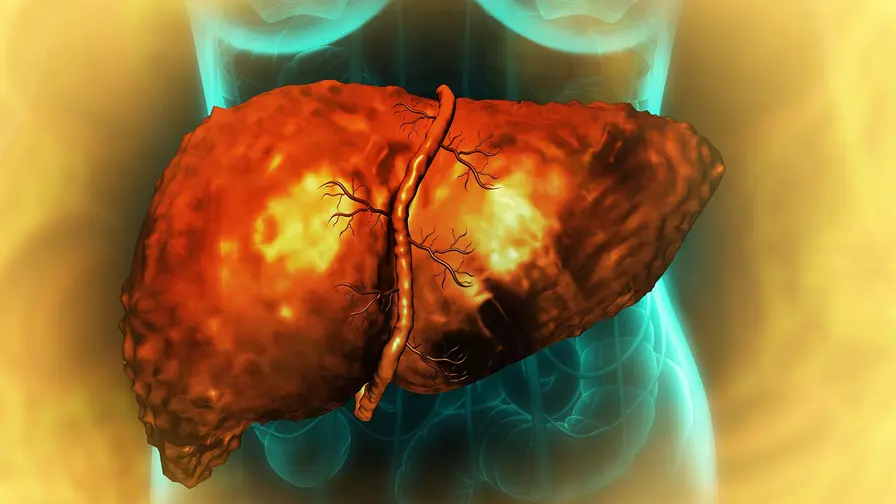
For decades clinicians have grouped a broad spectrum of liver fat disorders under a single clinical name. That made sense; imaging shows fat in the liver, and many patients share common risk factors such as obesity and diabetes. But a new analysis from Mayo Clinic researchers and collaborators at Virginia Tech disrupts that tidy picture. By pairing genetic sequencing with deep clinical records, the team found five biologically distinct subtypes of metabolic dysfunction-associated steatotic liver disease, often abbreviated as MASLD. Each subtype follows a different biological route and carries a different risk profile for heart disease, cancer, cirrhosis, and the need for liver transplantation.
The implication is immediate and practical: a single diagnostic label masked important variability in who progresses to severe disease and why. In some people, inherited genetic differences—not lifestyle alone—appear to steer MASLD along a more aggressive path, even when traditional metabolic risk factors are absent.
How the study separated the signals
The investigators did what large-scale precision medicine projects are designed to do. They merged exome sequencing and clinical data from more than 4,600 patients diagnosed with MASLD. Their dataset included lab values such as liver enzyme levels, body mass index, lipid profiles, and coexisting conditions ranging from diabetes to depression and sleep apnea. Advanced computational modeling then grouped patients by shared biological signatures rather than by surface features alone.
Think of it as listening for different instruments in an orchestra. Two patients may both show fat on a scan. One’s disease may be driven primarily by insulin resistance and obesity. The other’s could be propelled by inherited variants that alter lipid handling in liver cells. When the team tuned their models to genomic and clinical harmonies, five repeatable subtypes emerged. Each subtype carried distinct downstream risks and patterns of extra-hepatic illness.
Data backbone and scope
- Clinical records and lab results were linked to exome data from Mayo Clinic’s Research Data Atlas.
- The Tapestry Study contributed a large portion of exome sequences; that resource covers more than 100,000 participants and permits population-scale genotype–phenotype discovery.
- Computational stratification identified patterns invisible to routine clinical review.
By isolating subgroups defined by biology, researchers can begin to predict who is likely to develop complications and tailor surveillance and therapies accordingly. It is precision medicine applied to a condition previously treated as uniform.

Genetics matter more than we thought
One of the most striking findings was the role of inherited genetic variation. Certain genetic profiles were linked to a substantially higher likelihood of advancing to cirrhosis or liver failure. Crucially, these genetic-risk subtypes included people who did not have obesity or diabetes, the classic drivers clinicians look for when assessing fatty liver disease. That fact reorients how clinicians might screen and counsel patients: absence of metabolic risk factors no longer guarantees a benign course.
Beyond the liver itself, the identified subtypes correlated with conditions in other organ systems. The analysis associated particular MASLD subtypes with higher rates of depression, obstructive sleep apnea, and migraine. Those connections hint at shared biological pathways or systemic consequences of liver dysfunction that we are only beginning to map.
The team plans to test whether different subtypes respond differently to emerging therapies, including glucagon-like peptide 1 receptor agonists, which are already reshaping treatment for obesity and diabetes. If response patterns track with subtype, clinicians could use subtype information to prioritize therapies most likely to succeed for an individual patient.
Expert Insight
"This work changes the frame through which we view fatty liver disease," says Dr. Maya Patel, a hepatologist and clinical researcher unaffiliated with the study. "Rather than a one-size-fits-all approach, we can start asking which biological levers to pull for each patient. That could mean earlier intervention for people with genetic risk, and more targeted trials that match therapy to mechanism."
Investigators on the study emphasized the power of integrated datasets. When clinical and genomic data are analyzed together at scale, previously hidden progression patterns come into focus, enabling earlier and more precise intervention. That was a key message from the study team: stratify by biology, not just by how the disease looks on a scan.
What this means for clinicians and patients
For clinicians, the study offers a roadmap toward more individualized care. Screening strategies may broaden to consider genetic risk, and follow-up frequency could be adjusted according to subtype-specific trajectories. For patients, the message is both cautionary and hopeful: caution because some people thought to be low-risk may in fact carry genetic threats; hopeful because better classification opens the door to tailored treatments and preventive measures that could arrest progression before irreversible damage occurs.
Conclusion
Reclassifying MASLD into biologically defined subtypes reframes a common condition and points directly to next steps in research and care. The study highlights the value of large-scale genomic resources linked to detailed clinical records, and it sets a practical agenda: validate these subtypes in broader populations, test subtype-specific treatment responses, and translate those findings into clinical pathways that reduce liver-related illness worldwide.

“The cosmos has always fascinated me. I write about space missions, astronomy, and the technologies pushing humanity beyond Earth.”

Discussion
Leave a Comment
Comments
No comments yet. Be the first.