
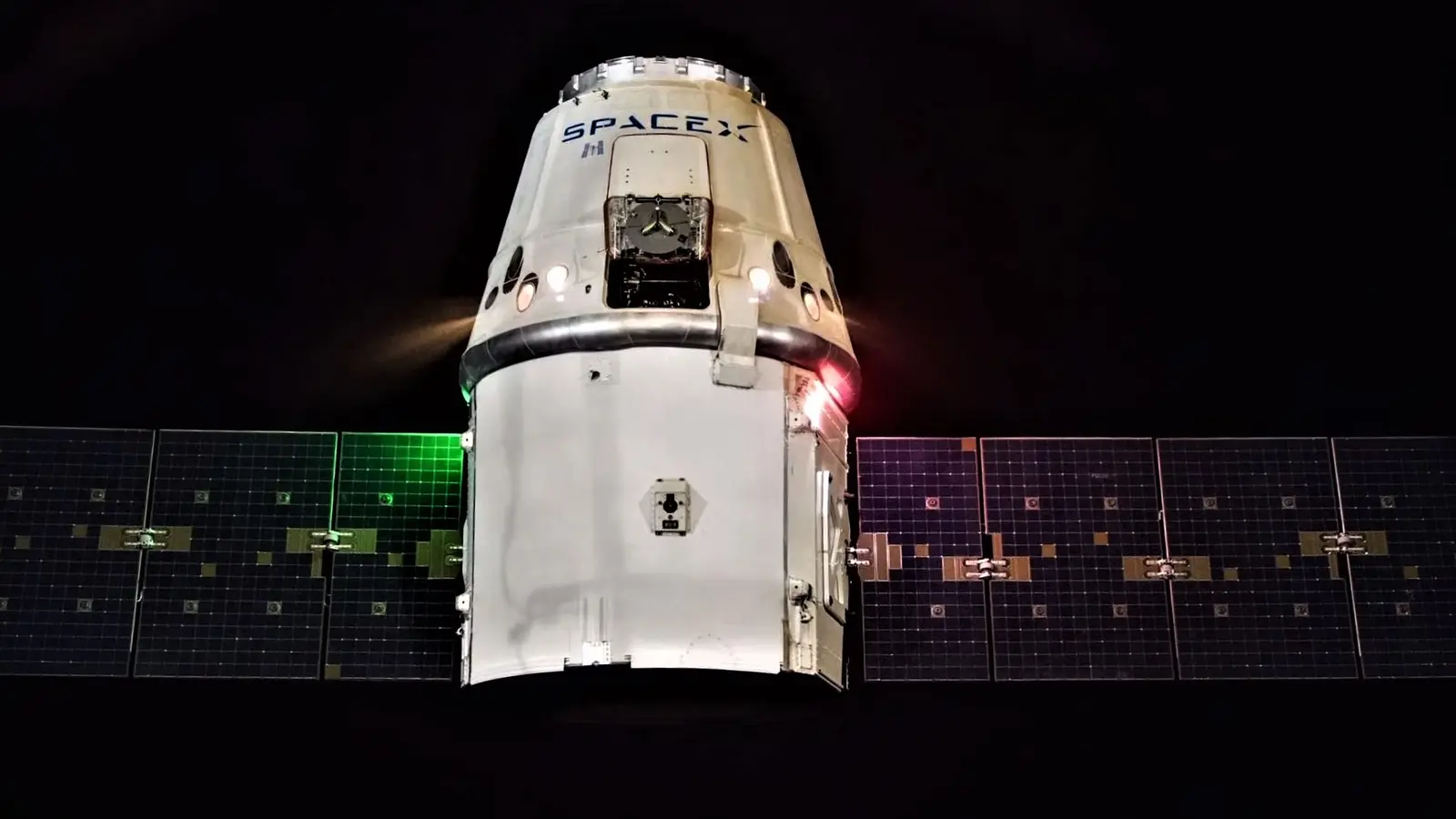
A glint of metal and sunlight over Florida, then months of science on its way to orbit. SpaceX’s Dragon reached the International Space Station on October 15, docking at the Harmony module’s space-facing port at 10:27 a.m. EDT, carrying a mixture of hardware and experiments that could shift how we study biology and power long-duration missions.
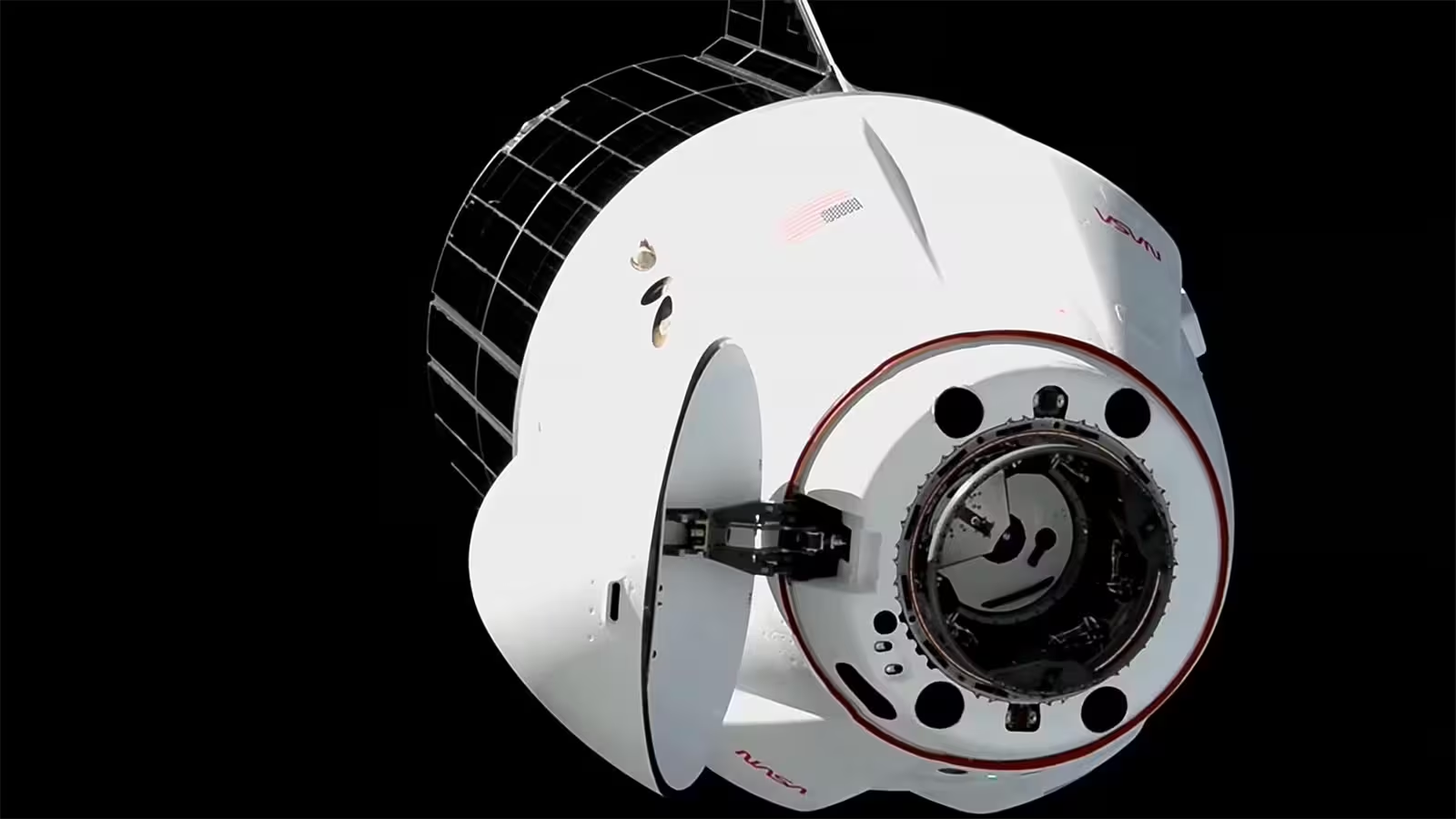
A SpaceX Dragon spacecraft approaches the International Space Station moments before docking to the Harmony module’s space-facing port on October 15, 2026.
Power where it matters
Among the cargo are the final International Space Station Roll-Out Solar Arrays, commonly called IROSAs. These add-on panels are engineered to boost the station’s electricity production, helping support new instruments, life-support upgrades, and the growing demand from experiments. Think of them as modern wings bolted to an older airframe: they do not replace the original arrays but extend and enhance their capacity by roughly 20 to 30 percent per installation, according to agency briefings.
Why microgravity makes a difference
Why send delicate biological systems into orbit at all? Microgravity changes how cells grow, assemble, and respond to their environment. Without the constant pull of gravity, tissues can self-organize more uniformly. Fluids behave differently, diffusion dominates where convection would normally mix solutions, and mechanical stresses on cells are reduced. For specific manufacturing and discovery tasks, this altered physics is a tool.
On this mission, Dragon delivered several experiments that exploit those conditions:
- Attempts to manufacture artificial retinas, exploring whether layered photoreceptor structures assemble more cleanly in low gravity.
- Three-dimensional heart tissue constructs intended to serve as platforms for drug screening and disease modeling on a scale difficult to achieve on Earth.
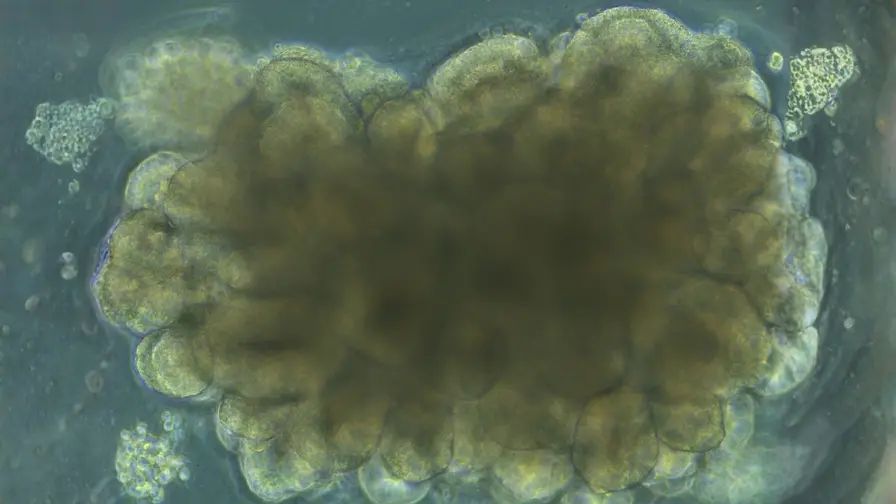
- Brain organoids, miniature models of brain tissue used to probe mechanisms behind disorders such as Alzheimer’s, Parkinson’s, and multiple sclerosis.
- Materials studies that observe glass formation and microstructural evolution free from gravity-driven mixing.
Each experiment arrives with tailored hardware and time-sensitive protocols. Many will return aboard Dragon when it undocks in mid-November, bringing samples back to laboratories for detailed analysis.
Dragon launched October 13 at 6:33 a.m. EDT atop a Falcon 9 from Space Launch Complex 40 at Cape Canaveral Space Force Station. The mission carried more than 6,300 pounds of supplies, equipment, and scientific payloads for Expedition 75. After its stay, the spacecraft is scheduled to depart with material destined for a splashdown off the California coast.
Implications and next steps
What could this mean for medicine and materials science? If artificial retinas or organoid studies in orbit reveal reproducible advantages, they may point to new manufacturing techniques or drug targets that translate back to terrestrial clinics. Improved solar capacity on the station also supports more ambitious experiments and longer human presence in low Earth orbit. The combined cargo underscores a shift: space is not only a platform for observation but also a unique laboratory for building and testing complex systems.
Results will take months, maybe years, to fully emerge. Still, each returned sample and dataset refines our understanding of how microgravity can be used purposefully, not just explored. The mission keeps a steady cadence of supply and science, and with each Dragon flight, the orbiting laboratory grows more capable.

“My work centers on sustainability, energy, and environmental science — examining how innovation can lead to a greener future.”

Discussion
Leave a Comment
Comments
No comments yet. Be the first.