
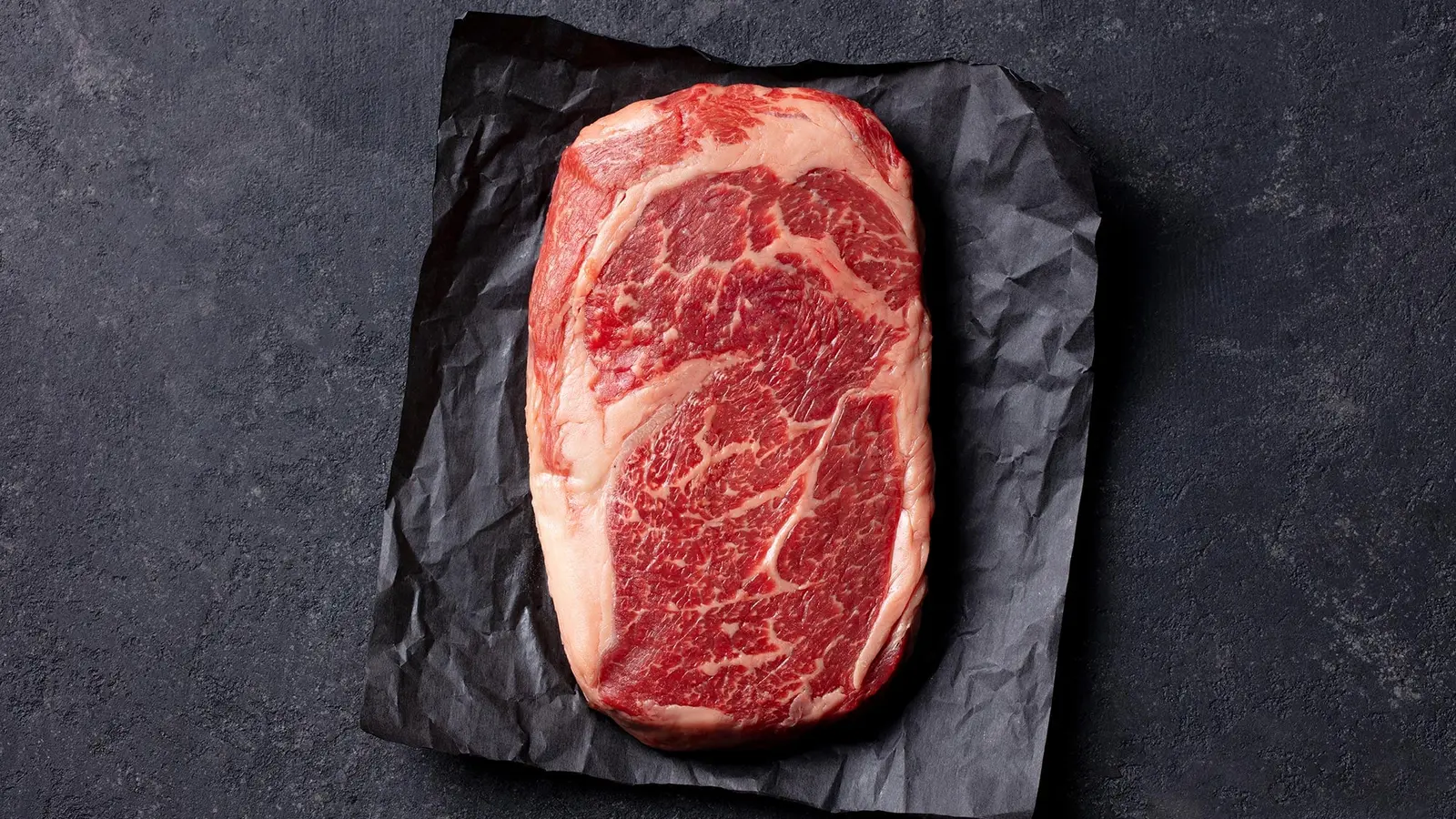
Could the meat on your plate influence whether your gut flares up? Recent mouse experiments suggest the answer may be yes, and the results are both striking and strangely simple: not all proteins behave the same inside the intestine.
Researchers set out to test how different dietary proteins affect intestinal inflammation, comparing beef, egg, dairy, soy, and pea protein across several laboratory models of inflammatory bowel disease, including colitis. The headline finding cut through the noise: mice fed diets based on beef protein developed the most severe inflammation, while those fed pea protein showed only mild symptoms. Researchers emphasize this was evident across models and sexes, and that beef protein alone did not trigger inflammation unless a separate colitis-inducing factor was present.
Researchers have uncovered a potential connection between dietary protein, gut microbes, and intestinal inflammation that could reshape future approaches to managing inflammatory bowel disease.
How a protein source changed the intestinal landscape
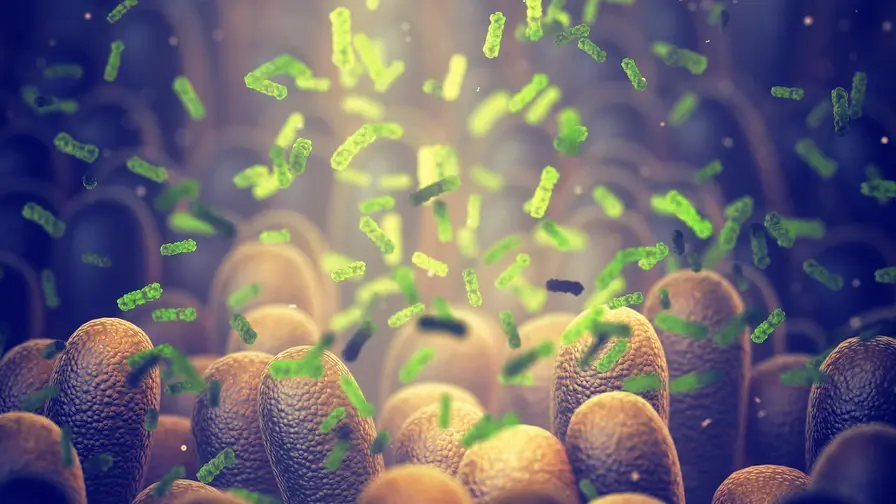
The experiment did more than tally sick versus well. It revealed consistent patterns in the gut environment. Beef protein shifted the composition of intestinal bacteria in ways that appeared to harm the mucous lining that protects the gut. That thinner mucus layer coincided with higher levels of certain bile acids that, in this context, are linked to pro-inflammatory responses. In contrast, pea protein supported a bacterial balance and bile acid profile associated with gentler inflammation.
In plain terms: the same amount of protein, coming from different sources, produced different microbial outcomes and different degrees of tissue damage. The authors summarize this by noting that the inflammation-promoting effects of beef protein were mediated by the microbiome. That means gut microbes behaved as the middlemen between diet and disease activity.
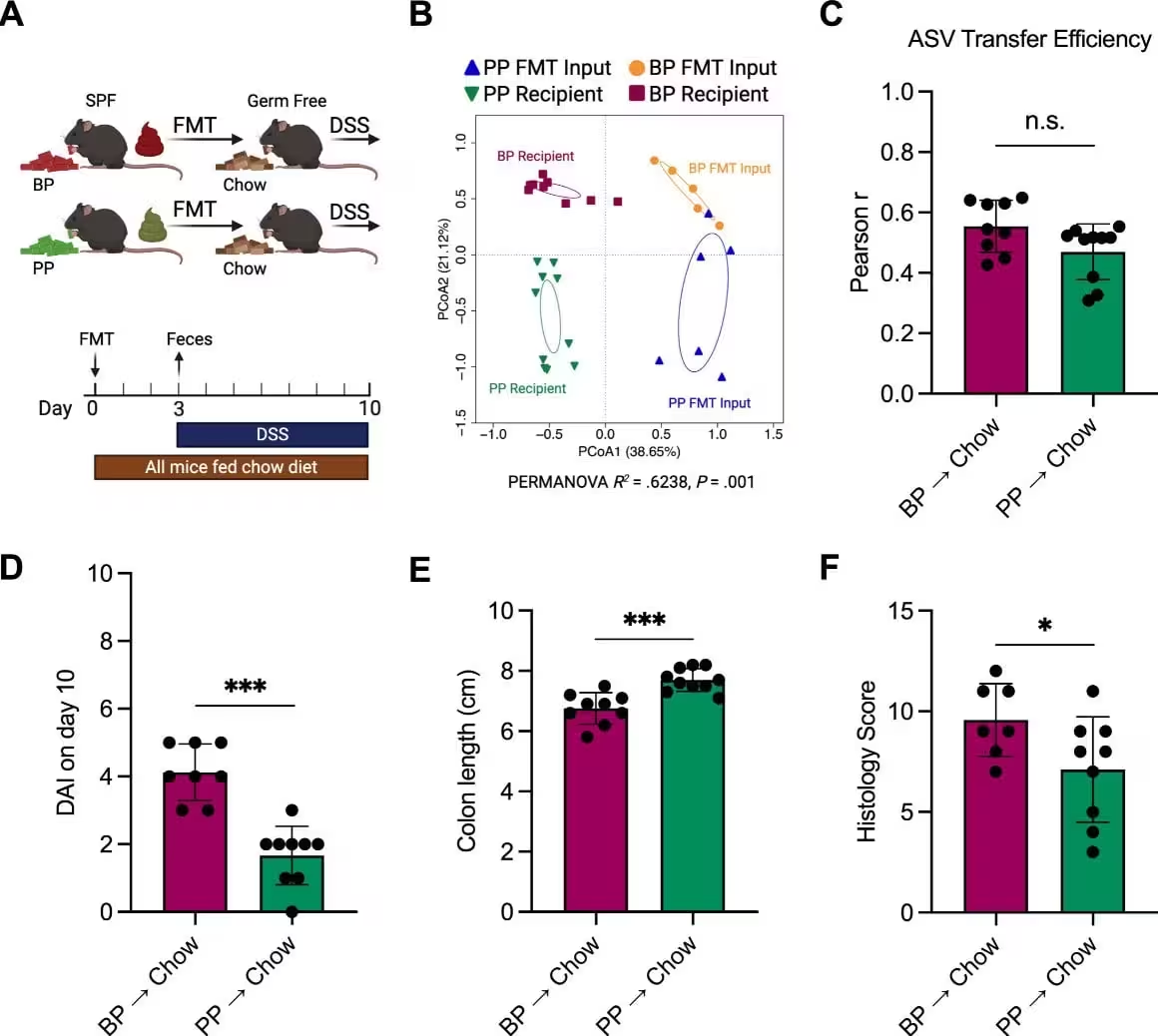
Mice fed a beef-protein diet developed the most severe intestinal inflammation, while those consuming pea protein experienced only mild symptoms.
Mechanisms and mitigations
Why might protein source shift inflammation? The study points to three interacting factors. First, the microbiome: dietary proteins feed microbes, and different proteins favor different microbial groups. Second, the mucus barrier: an intact mucus layer keeps bacteria at a safe distance from the intestinal wall. Third, bile acids: these molecules help digest fats but also act as signaling compounds that can amplify immune responses when their balance changes.
There is also a silver lining. When researchers added psyllium, a soluble fiber, to the beef-based diet, inflammation decreased. That suggests dietary context matters. Proteins do not act in isolation; fibers, fats, and other nutrients influence how the microbiome and the gut wall respond.
What this means for people with IBD
Inflammatory bowel disease, which includes Crohn's disease and ulcerative colitis, arises from complex interactions among genes, immune function, and the microbiome. Dietary advice for people with IBD has been frustratingly nonspecific, in part because controlled studies are hard to run and individual responses vary widely. These mouse data do not, by themselves, justify sweeping dietary guidance for patients, but they do highlight that protein source deserves closer attention in human trials.
Practical takeaway? Think beyond grams of protein. Ask what kind of protein you are eating, and what else is on the plate. Could switching from certain animal proteins to plant-based proteins, or pairing proteins with more soluble fiber, reduce flare risk? Those are the questions clinicians and nutrition researchers will want to test next.
Limitations and next steps
Mouse models are powerful tools, but they are not perfect surrogates for human disease. Microbial communities differ, immune systems are not identical, and dietary patterns are more varied in people than in controlled lab settings. The next logical steps are human observational studies and randomized dietary trials that examine protein source, fiber intake, microbial changes, bile acid profiles, and clinical outcomes in people living with IBD.
If future human work echoes these findings, dietary recommendations for inflammatory bowel disease might become more nuanced, incorporating not just how much protein a patient consumes, but where that protein comes from and how meals are composed overall.
Expert Insight
"These results are provocative, because they highlight a mechanistic chain from food to microbe to immune reaction," says Dr. Lena Morales, a gastroenterologist and clinical researcher at Harborview Medical Center. "We need careful human studies, but the notion that replacing or balancing specific protein sources with plant proteins and soluble fiber could lessen disease burden is worth testing clinically."
Conclusion
The study reframes a familiar idea: diet matters. But it also refines it, showing that not all protein is equal when it comes to gut inflammation. For people with inflammatory bowel disease and for researchers designing trials, the protein on the plate could be another lever to pull in pursuit of fewer flares and better quality of life. Until we have human data, clinicians should weigh these findings with clinical judgment and personalized care plans.

“My work centers on sustainability, energy, and environmental science — examining how innovation can lead to a greener future.”

Discussion
Leave a Comment
Comments
No comments yet. Be the first.