
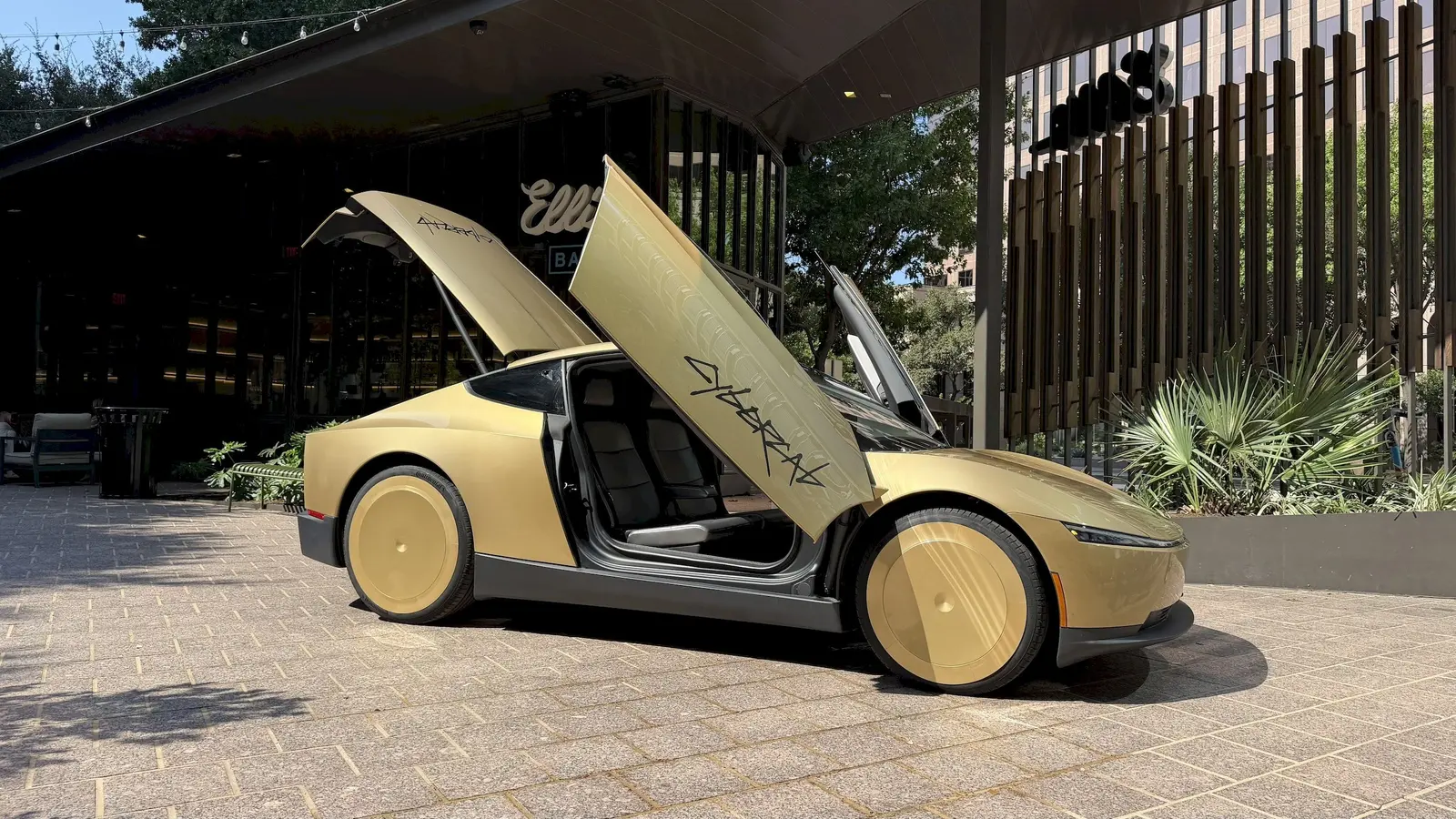
The scene in Austin felt more like a fan meet than a world-changing debut. People flew in, luggage and expectations packed to the brim. They left with a 15-minute talk and a handful of short rides on familiar robotaxi runs. That is not the revolution many had been sold.
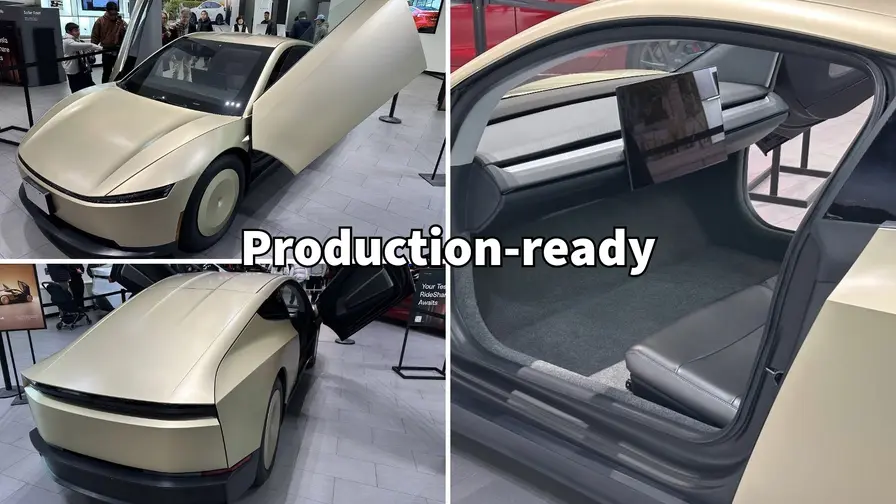
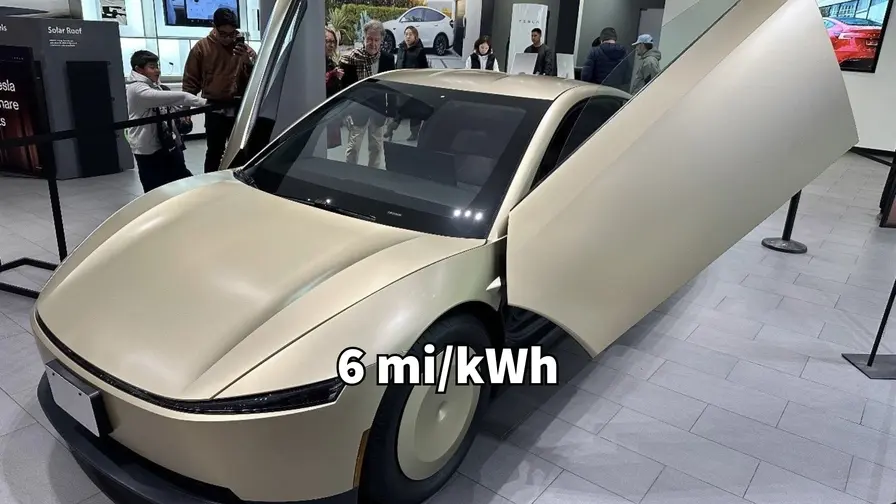
Tesla had been positioning the Cybercab as the centerpiece of a new era: no steering wheel, no pedals, a vehicle designed to live inside a Robotaxi network rather than a private garage. Bold idea. Bold claim. But bold claims need bold follow-through.

What unfolded in Austin and why it matters
Instead of unveiling a clear rollout plan or answering tough regulatory questions, Tesla treated the event like an internal celebration. No livestream. No Elon. Sparse details. Social feeds filled quickly with disappointment and snark rather than wonder.
Yes, there were rides on Austin streets. For attendees, that was the high point. For the public, the moment felt recycled: unsupervised Robotaxi trips you could already book in limited areas for months. And for regulators, the omission of a steering wheel, pedals, and side view mirrors set off alarm bells under existing FMVSS rules. Within hours, the NHTSA opened an audit query to examine the technical data and the certification process behind the Cybercab.

Tesla listed around 45 Cybercabs with the Texas DMV, and influencers at the event reported the service would be available during the day inside a geofenced Robotaxi area from 6 AM to 10 PM. Fine, but how many cars actually operate at any given time? Tesla did not say. Which cities are next? No answer. When will the fleet scale beyond a handful? Also no answer.
Then there is the legal and practical fine print riders must accept. To book a Cybercab, customers must agree the service is offered 'as is' with no warranties and that Tesla may not always deliver you to your intended destination. The message is blunt: expect teething problems and assume the risk. That stance might be a clever legal hedge, or it might read as hubris.
Could private buyers take one home? For now, that looks unlikely. Tesla hints at fleet sales and is collecting interest from businesses eyeing a Cybercab fleet, but fleet interest is not the same as retail demand. High-profile bets underline the skepticism. Influencer Marques Brownlee said his wager that Tesla would not sell the Cybercab to the public by December 31 at under €28,000 still stands, and he’s confident enough in that bet to joke about shaving his head if proven wrong.

Contrast the spectacle promised with the reality delivered and a pattern emerges: PR silence paired with sporadic stunts. A single low-profile self-delivery in Austin made headlines, yet it did not fill in the blanks about safety approvals or mass-market availability. And when regulators publicly question the legality of operating a vehicle without conventional controls, the question of retail sales becomes academic.
So what did Tesla actually achieve in Austin? A launch that showcased a working concept and highlighted how to run short, supervised robotaxi trips. Also, a communications failure of sorts, because when a company cedes the narrative by offering little information, other voices—media, regulators, online critics—fill the void.

Is the Cybercab a dead end or a mismanaged opening act? Probably the latter. The hardware looks striking. The software may be promising. But technology rarely wins on ambition alone. It needs clear compliance, a defensible rollout plan, and public trust. None of those were secured in Austin.
If Tesla wants the Cybercab to be the car of the future, it has to stop treating launches like internal milestones and start answering the outside world's questions with facts, timelines, and accountable commitments.

“I cover automotive innovation, electric vehicles, and the future of mobility — where technology meets sustainability.”

Discussion
Leave a Comment
Comments (2)
No wheel, no pedals, no mirrors? ok... where's the compliance plan and the rollout map? NHTSA already poking, so how many cars actually running, ppl?
Hardware looks slick but the event felt like a fan club meetup. No timeline, no regs answers, just short rides and hype. Feels overhyped, tbh