
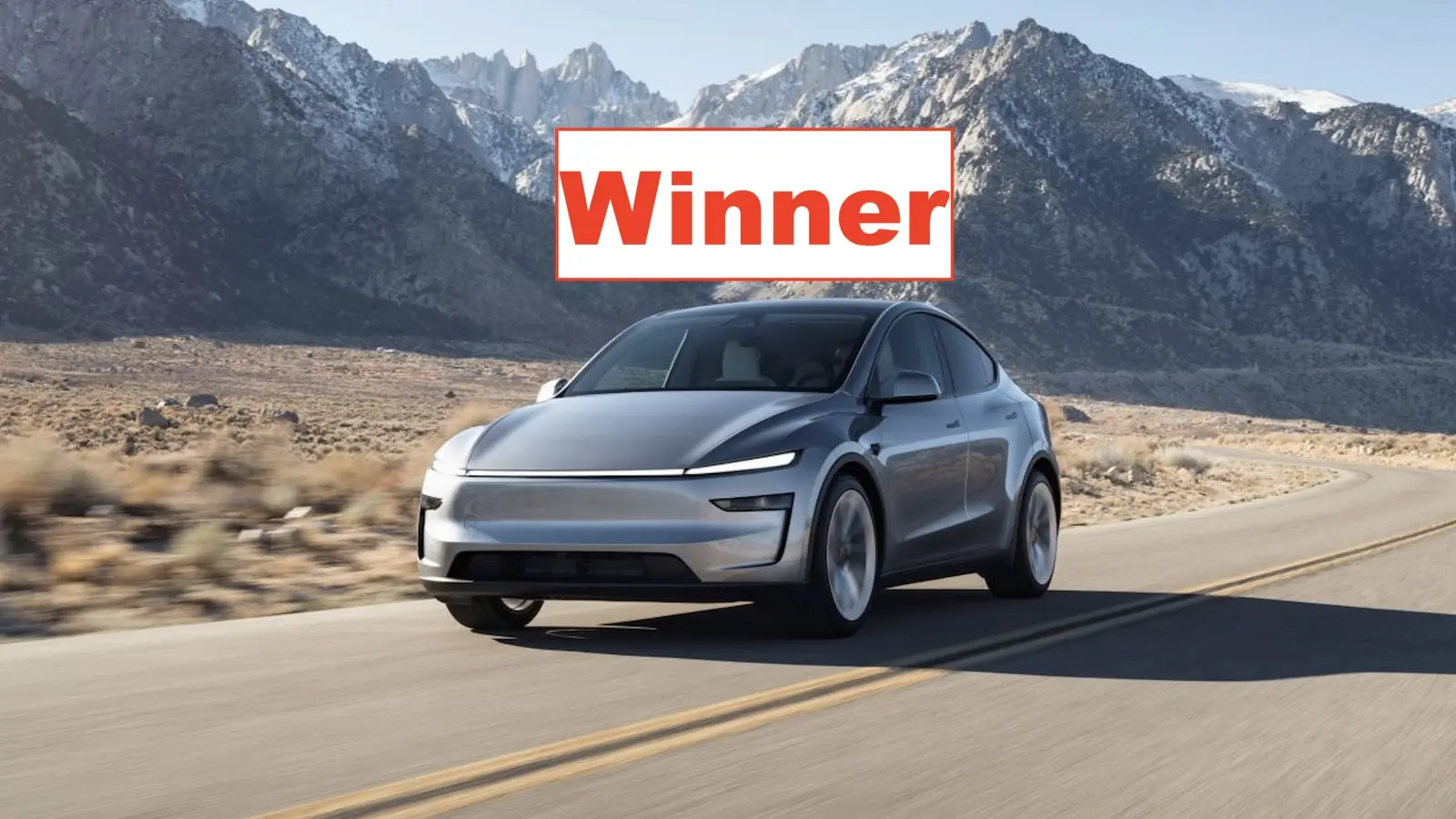
Picture a highway rest stop where every third EV wears a Tesla badge. That’s not imagination; it’s how the first half of 2026 looks in America. The Model Y isn’t merely ahead — it’s a different league, with more than 350,000 buyers choosing the electric crossover in the first six months and Tesla moving over half a million cars overall.
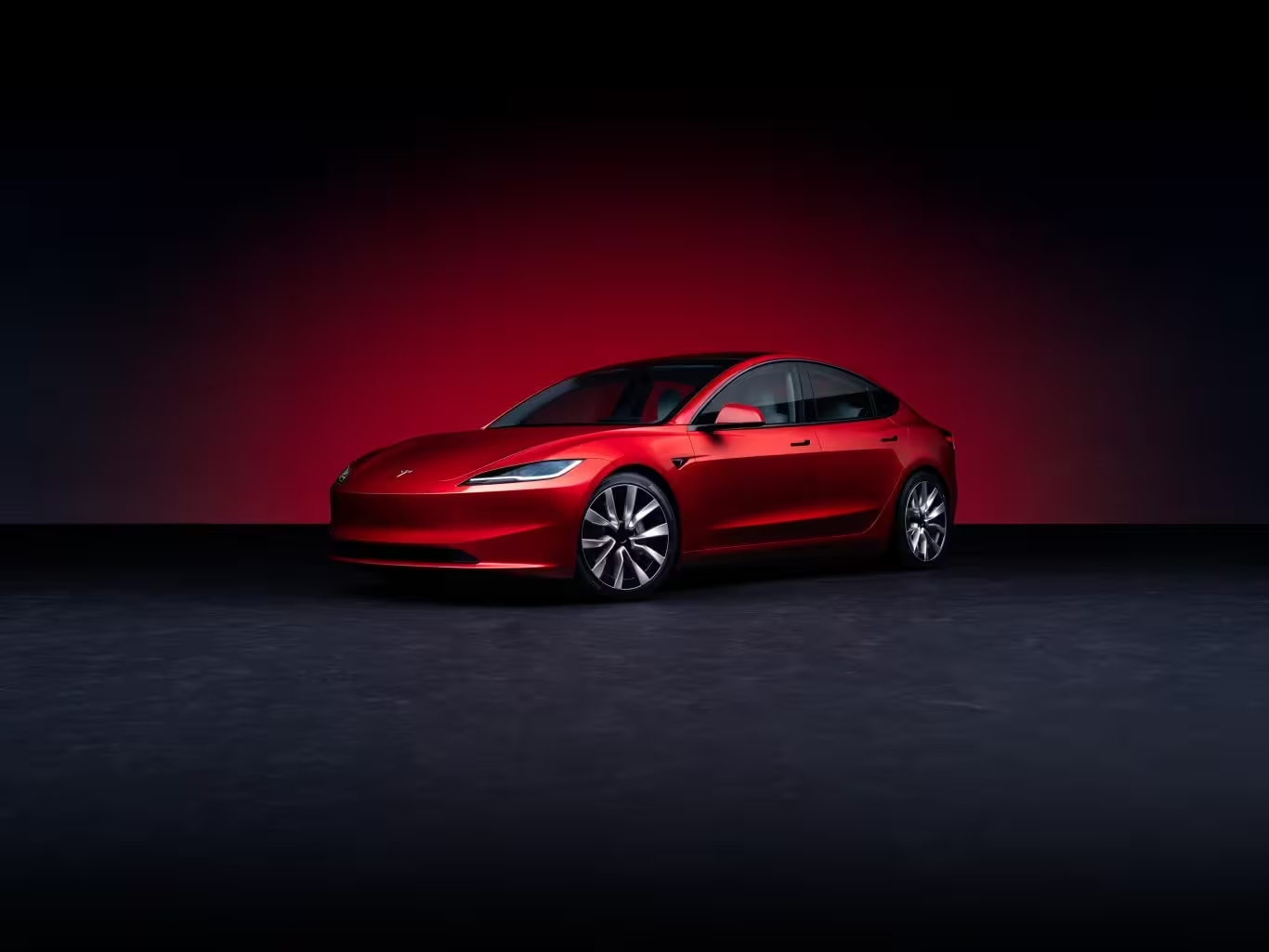
Small moves matter. A refreshed Model 3, sharper styling and aggressive inventory discounts kept Tesla’s compact sedan firmly in place behind the Y. With the Model S and Model X out of the running, Tesla’s lineup has narrowed but the two-volume strategy is proving brutally effective.

Podium shake-up: an unexpected face in the top three
So who’s the surprise? The Hyundai Ioniq 5. Hyundai sold 20,730 Ioniq 5s in the U.S. through June — a solid 9 percent increase year to date — and that lift has put the Korean EV squarely on the podium. It’s not a flash in the pan; it’s a steady climb built on well-timed inventory and a distinctive design that still turns heads.
Right behind it sits Toyota’s bZ4X, which posted 17,553 deliveries and an eye-catching 90 percent surge compared with last year. That jump owes a lot to heavy dealer leasing incentives. And just behind Toyota, Chevrolet’s Equinox EV recorded 16,249 buyers, though the model has slipped after losing significant momentum.

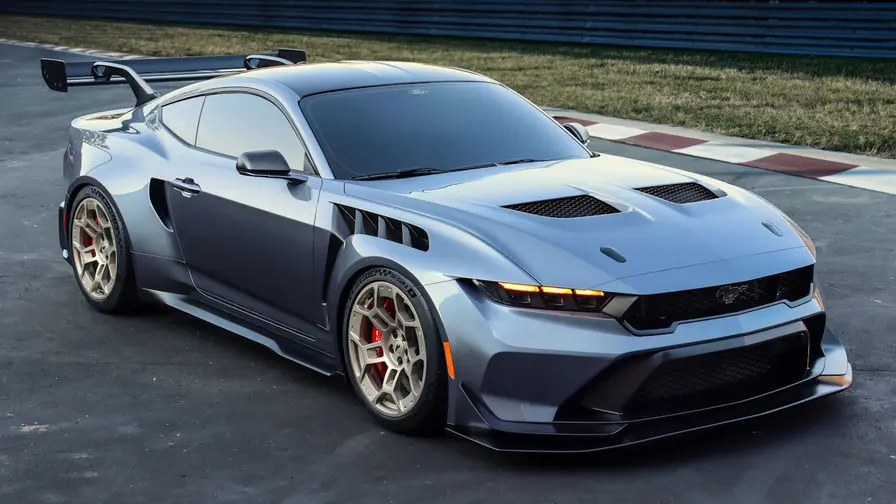
What about the once-hot Mustang Mach-E? Ford’s electric muscle car sold 11,632 units in the first half of the year — a drop north of 40 percent — eroding its early lead among electric SUVs. Meanwhile, traditional Mustangs are enjoying a different kind of popularity: Ford shifted 28,725 ICE Mustangs so far in 2026, up from 23,551 a year earlier.
The broader picture is messy. The 2024 surge to roughly 1.3 million EVs sold in the U.S. collided with a policy pullback when federal tax credits were scaled back, and the market contracted fast. Some makers retreated and even shelved models. Others, like Tesla and a few resilient rival models, found ways to keep selling.
Which makes the rest of the year worth watching. Will Hyundai sustain its run? Can Toyota and Chevrolet convert incentive-driven spikes into long-term demand? Or will Tesla’s volume advantage simply stretch the gap even wider? The numbers so far tell a story of consolidation with sparks of unpredictability — and that’s exactly what keeps the EV race interesting.

“Cars are evolving faster than ever. I cover electric vehicles, smart mobility, and the future of transportation worldwide.”

Discussion
Leave a Comment
Comments
No comments yet. Be the first.