
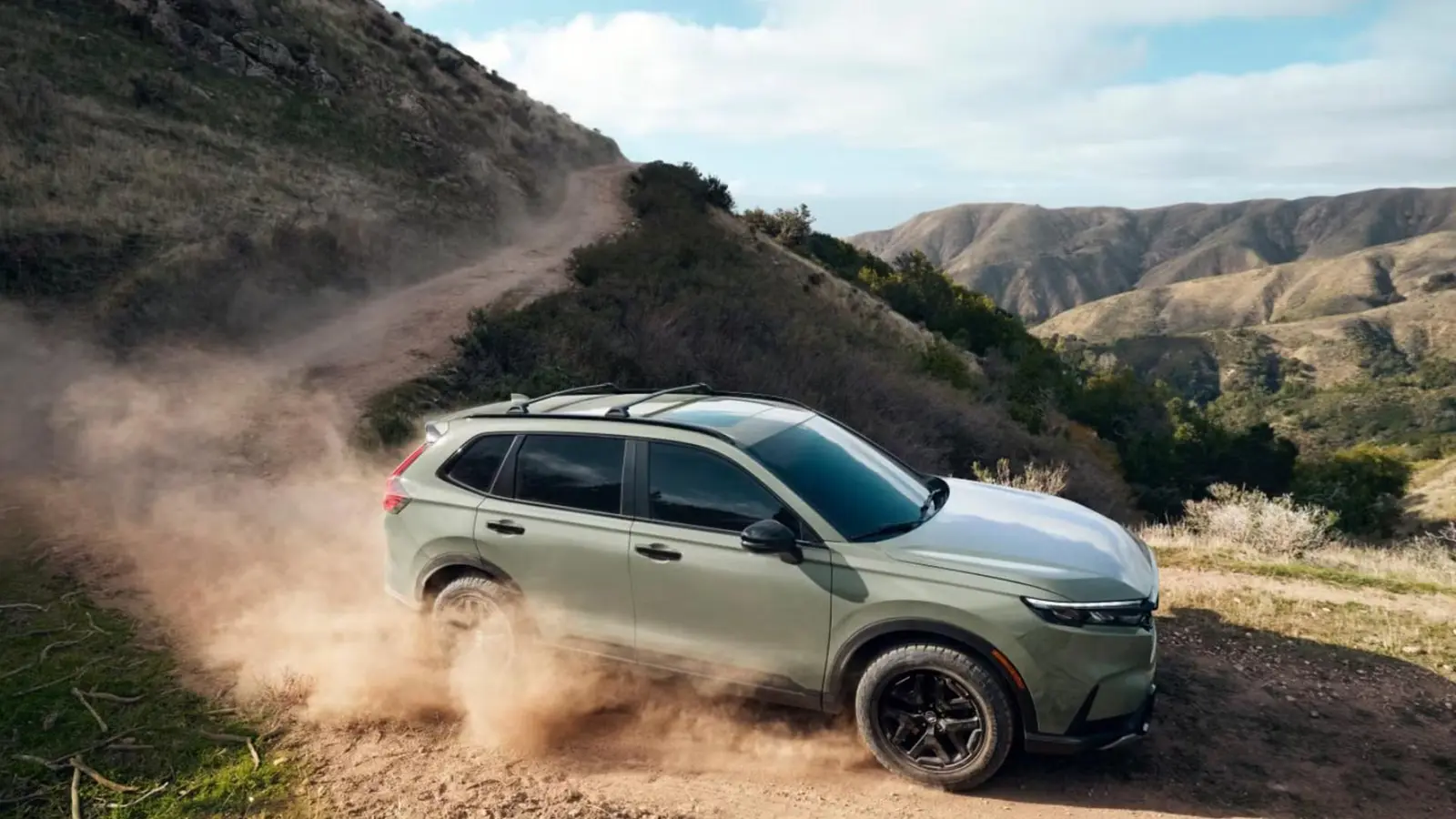
Picture this: a family pulls into a gas station on a Friday evening, groceries in the trunk, weekend plans intact. They fill the tank in five minutes and keep driving. No detours. No schedules to rearrange. That small, ordinary convenience is part of why hybrid SUVs have quietly climbed to the top of buyers' wish lists.
Practicality beat ideology
New findings from Kelley Blue Book's Brand Watch for the first half of 2026 show a clear shift in what shoppers want. Interest in hybrid vehicles rose to 22% from 20% a year earlier, the highest level on record. Meanwhile attention to battery electric vehicles slipped from 11% to 10%. In plain terms: hybrid interest is now more than double that of pure electric cars.

Why the change? The answer is not a sudden distrust of electrification. It is more mundane and immediate. Durability and safety still matter, but affordability and fuel economy have moved up the list of priorities. Buyers weigh real-world convenience. Hybrids deliver better fuel economy than typical gasoline cars without forcing owners to rewire their homes or plan every trip around a charger.
Think about daily routine. A Toyota RAV4 hybrid or Honda CR-V hybrid slips into family life with almost no fuss. Refuel on the same schedule you always have. Keep your weekend road trips. Save money at the pump. That practical package sits comfortably in the financial calculus for many households already feeling squeezed by costs. As Vanessa Tun, Cox Automotive's head of market and consumer research, noted in Brand Watch: when affordability is a hurdle for many families, value-driven SUVs that balance features and usability become the beating heart of the market.

Crossovers and non-luxury SUVs now command 71% of buyers' attention, another record. Sedans, by contrast, have fallen to a historic low of 25% interest. The market has narrowed. Shoppers know what they want. They are staying inside a tight target zone of vehicles that match daily needs and budgets.
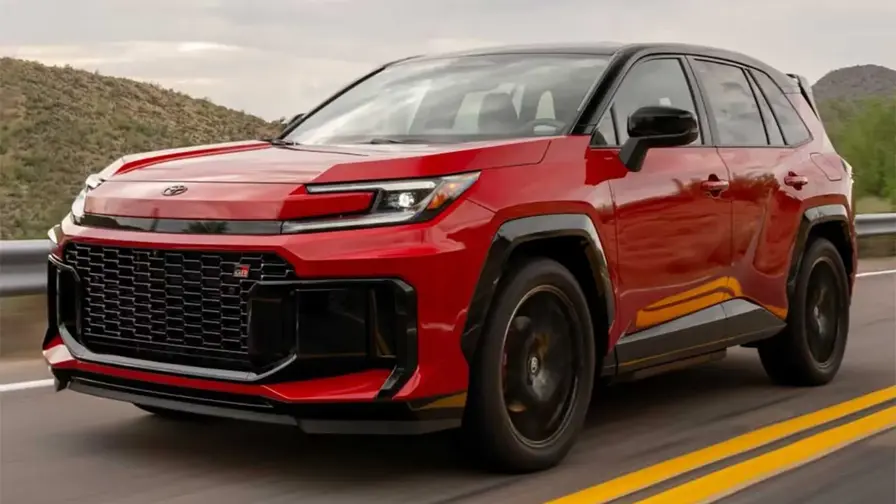
Toyota and Honda are reaping the rewards. The RAV4 hybrid and CR-V hybrid top the list of most-talked-about non-luxury SUVs. Toyota placed five hybrid models among the ten most discussed electrified vehicles in the first half of 2026, and all five were conventional hybrids rather than plug-in or fully electric models. New entries like the Honda Accord hybrid and Mazda CX-50 hybrid cracked the top ten for the first time too, signaling that hybrid appeal is spreading beyond a small set of established names.

On the brand side, Honda stands out. It leads in nine of the twelve purchase drivers KBB tracked, from affordability to reliability and driving performance. Those wins are reflected in awards too; Honda swept a number of Kelley Blue Book consumer picks across non-luxury categories for 2026.
Not every brand grew. In the non-luxury field most names held steady or slipped, with the notable exceptions of Subaru and Kia. Subaru's gains came from hybrid Crosstrek and Forester models that fit squarely into the value-oriented, efficient SUV niche shoppers are rewarding. Kia's improvement tracked strong demand for its value-focused SUV lineup and renewed interest in its Carnival minivan. In the luxury segment Audi was the lone top-ten brand with year-over-year growth, driven by stronger attention to A3 and A5 sedans. But even there the message is clear: a handful of players are capturing most of the market's momentum.

Sales numbers put the trend into sharper focus. In the United States battery electric vehicles accounted for just 5.8% of new car sales in the second quarter of 2026. That was up from the previous quarter but still a small slice of the overall market. Hybrids held about 18% of the U.S. market by July, and Cox projects full-year hybrid sales to grow roughly 9% in 2026. The KBB survey gap, 22% interest in hybrids versus 10% for EVs, suggests that hybrids could continue to outpace battery electrics in buyer attention and likely in sales as well.

So how should a shopper decide today? Compare a RAV4 hybrid with a Tesla Model Y and the practical differences jump out. Hybrids typically start at a lower price in many trims, avoid the need for home charging or public charging routines, and reduce fuel costs without range anxiety on long trips. Fully electric cars make sense for drivers with predictable daily routes, reliable home charging, and tolerance for a higher purchase price. The data from KBB and Cox does not say EVs are a wrong choice. It simply shows that most buyers are not yet shaped by the conditions that favor pure electrics.
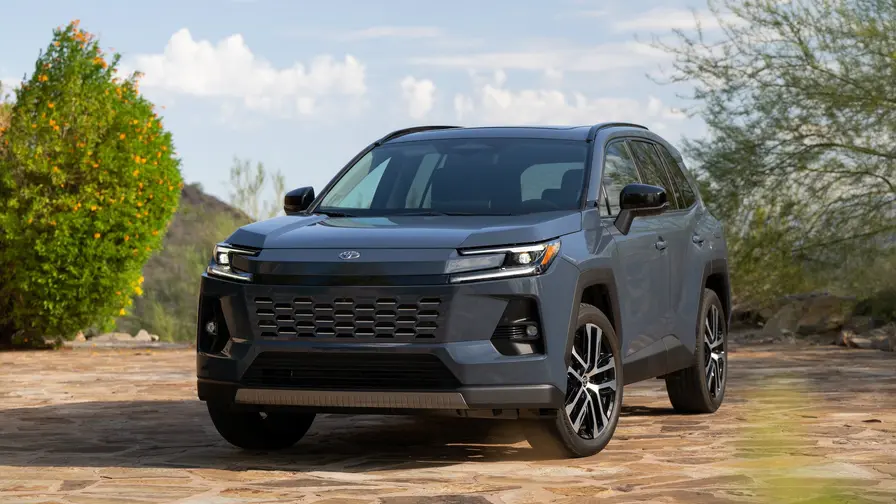
For now, hybrids are winning because they meet people where they actually live. They offer a compromise that feels less like sacrifice and more like sensible improvement. That is why, at gas stations and on neighborhood streets, hybrid SUVs are quietly becoming the default answer for families who want better fuel economy without upending the way they move through the world.

“I cover automotive innovation, electric vehicles, and the future of mobility — where technology meets sustainability.”

Discussion
Leave a Comment
Comments (2)
Hmm, is that gap real or just hype? What about incentives, resale and future gas prices, could flip quick. Want hard numbers not vibes
Wow didn't expect hybrids to edge EVs out this fast... makes sense tho, no charging drama, real savings for families. Kind of neat!