
Thirty thousand sounds like a tidy monthly milestone. It also feels like a warning. Xiaomi Auto reported that deliveries stayed above that mark in August, extending a five-month streak, but the headline gloss hides a more precarious reality.
July's figure was disclosed: 31,267 cars, a modest year-on-year lift yet a near 10 percent dip from June. August's exact number, however, was left unspecified. That silence matters. A year ago in August the company moved 36,396 vehicles. Fast-forward to today and the blunt arithmetic starts to sting.

Across January to July Xiaomi handed over 216,322 cars. Tacking on a conservative 30,000 for August brings the eight-month total to roughly 246,322 units. Put plainly, that's under 45 percent of CEO Lei Jun's bold 550,000-unit target for the year. The math that follows is unforgiving: to hit the goal, Xiaomi would need to average around 75,900 deliveries each month from September through December. That is about two and a half times July's output. Can production scale that fast? It would be an extraordinary feat.
A high-stakes pivot into range extenders
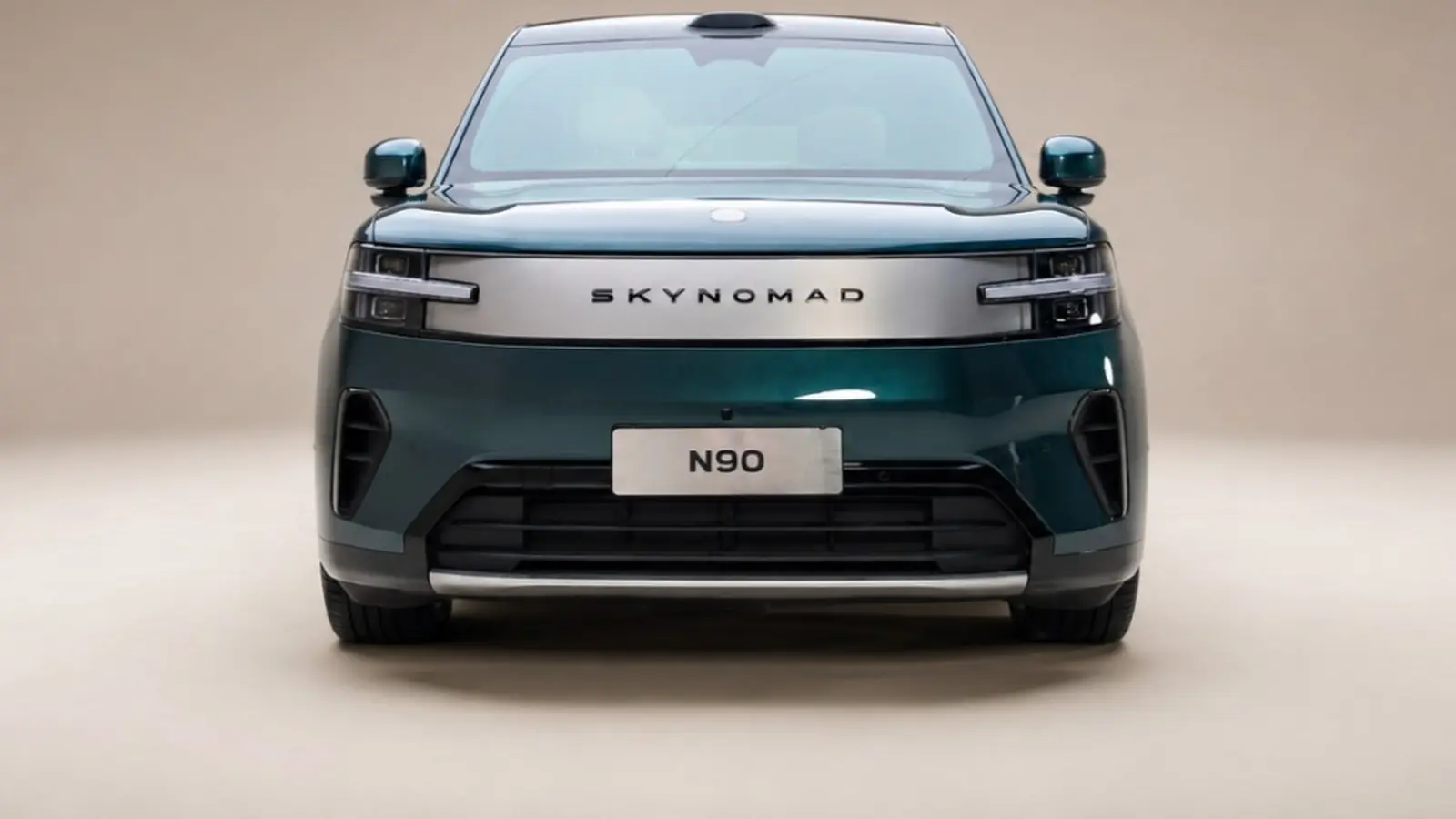
Which is why all eyes are on SkyNomad. Unveiled late this summer, the SkyNomad family represents a strategic detour. Instead of doubling down on pure battery-electric models alone, Xiaomi is betting heavily on extended-range electric vehicles, or EREVs. These pack a sizeable battery pack backed by a compact onboard generator to keep the miles ticking when charging stations are scarce.
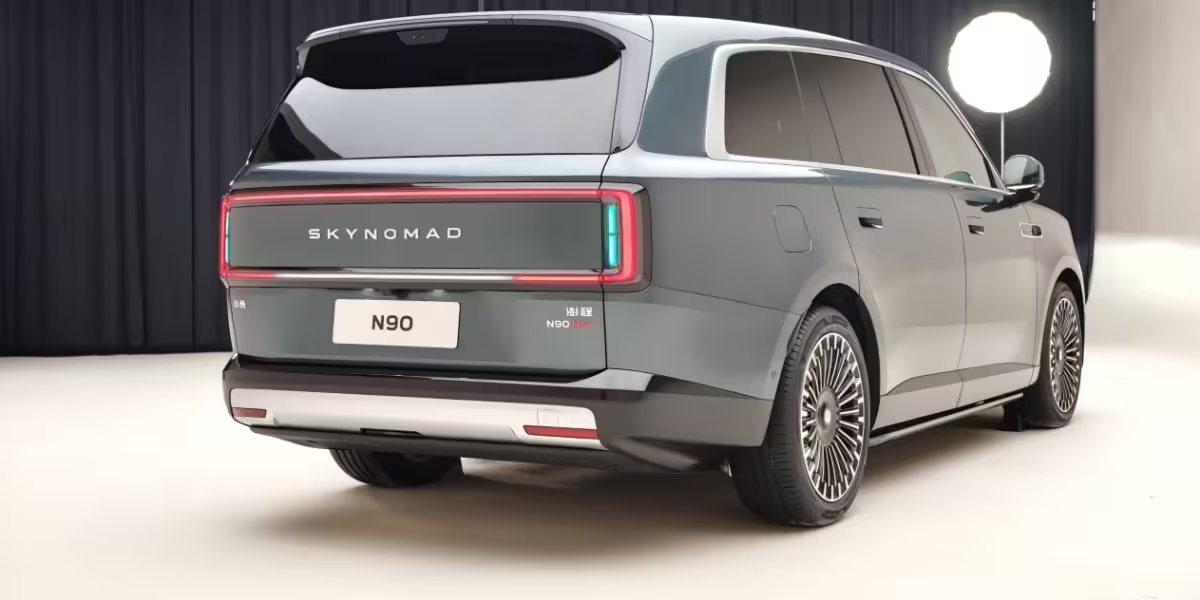
Why take this route now? For families who fret over range, and for buyers who take long drives across regions where fast chargers are sporadic, an EREV promises both calm and convenience. Sales of the SkyNomad series are slated to start in September, led by two headline models: the seven-seat N90 Max and the five-seat N70 Max, with more variants to follow.
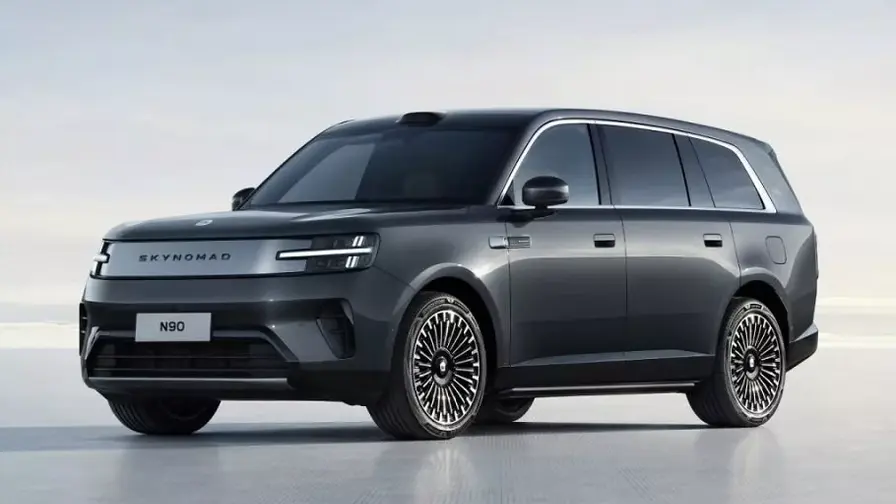
The flagship N90 Max is built like a rolling fort. At 5,285 millimeters long with a 3,080 millimeter wheelbase, it tips the scales at 2,799 kilograms. Dual motors deliver 310 kilowatts, or about 416 horsepower, and Xiaomi claims a 0-100 km/h sprint in 5.9 seconds. Inside the brand has leaned into lounge-like comforts: front seats that can swivel 180 degrees when parked, zero-gravity-style massage functions, and an optional table that turns the cabin into a makeshift parlor.

The N70 Max shrinks the footprint but keeps the ambition. It measures 4,960 millimeters in length, rides on a 2,950 millimeter wheelbase, and weighs between 2,453 and 2,610 kilograms depending on specification. Xiaomi advertises an EV-only CLTC range up to 505 kilometers before the 1.5 liter generator ever wakes up. That figure will be a sales talking point for people who want electric driving most of the time without the range drama.
Yet market currents are not entirely favorable. Demand for EREVs in China has cooled; retail sales fell roughly 15 percent year-on-year to about 535,000 units in the first seven months of this year as buyers polarize between ultra-fast 800-volt EVs and budget plug-in hybrids. In short, Xiaomi is swimming against a powerful tide, counting on its tech brand halo, software smarts, and product polish to win converts.

Even with strong preorder numbers, the real trial is execution. Building a sleek sedan is one thing. Producing multi-ton EREVs at scale is another. These cars require complex integration: internal combustion generators married to large battery packs, elaborate cooling systems, heavy motor and seating hardware, and high-power computing for advanced features. The slightest hiccup from a supplier or a quality issue on the line could ripple into missed deliveries.
Lei Jun has framed the auto business as his final major entrepreneurial push. Xiaomi's first automotive chapter, the SU7 sports sedan, did valuable work: it proved the company can design a car that turns heads and wins enthusiasts. But the next act is about volume. To become a true automotive player Xiaomi needs high-margin family haulers shifting in tens of thousands of units month after month, not just halo cars that impress reviewers.

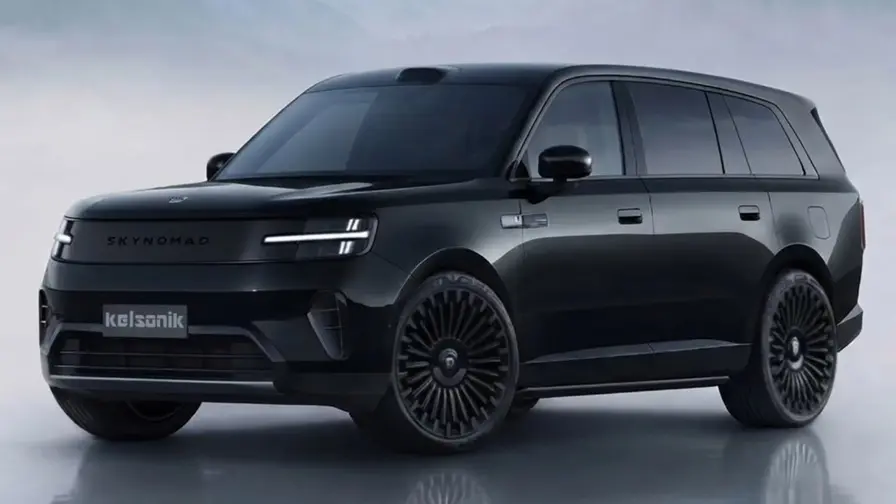
So what happens next? If production runs smoothly and the N70 and N90 Max strike a chord with buyers, Xiaomi could engineer a dramatic late-year surge—one of the bolder comebacks in recent automotive history. If the rollout stutters, this period will serve as a reminder: even the most ambitious tech brands must master the messy, unforgiving realities of car manufacturing to turn ambition into sustained market power.

“I cover automotive innovation, electric vehicles, and the future of mobility — where technology meets sustainability.”

Discussion
Leave a Comment
Comments (2)
seen this with EV startups, hype then supply chain chaos. SkyNomad looks cool, but execution is everything, fingers crossed
Interesting numbers but where's August's exact figure? smells like PR math, can they really scale 2.5x per month, seems unreal if supply hiccups hit