
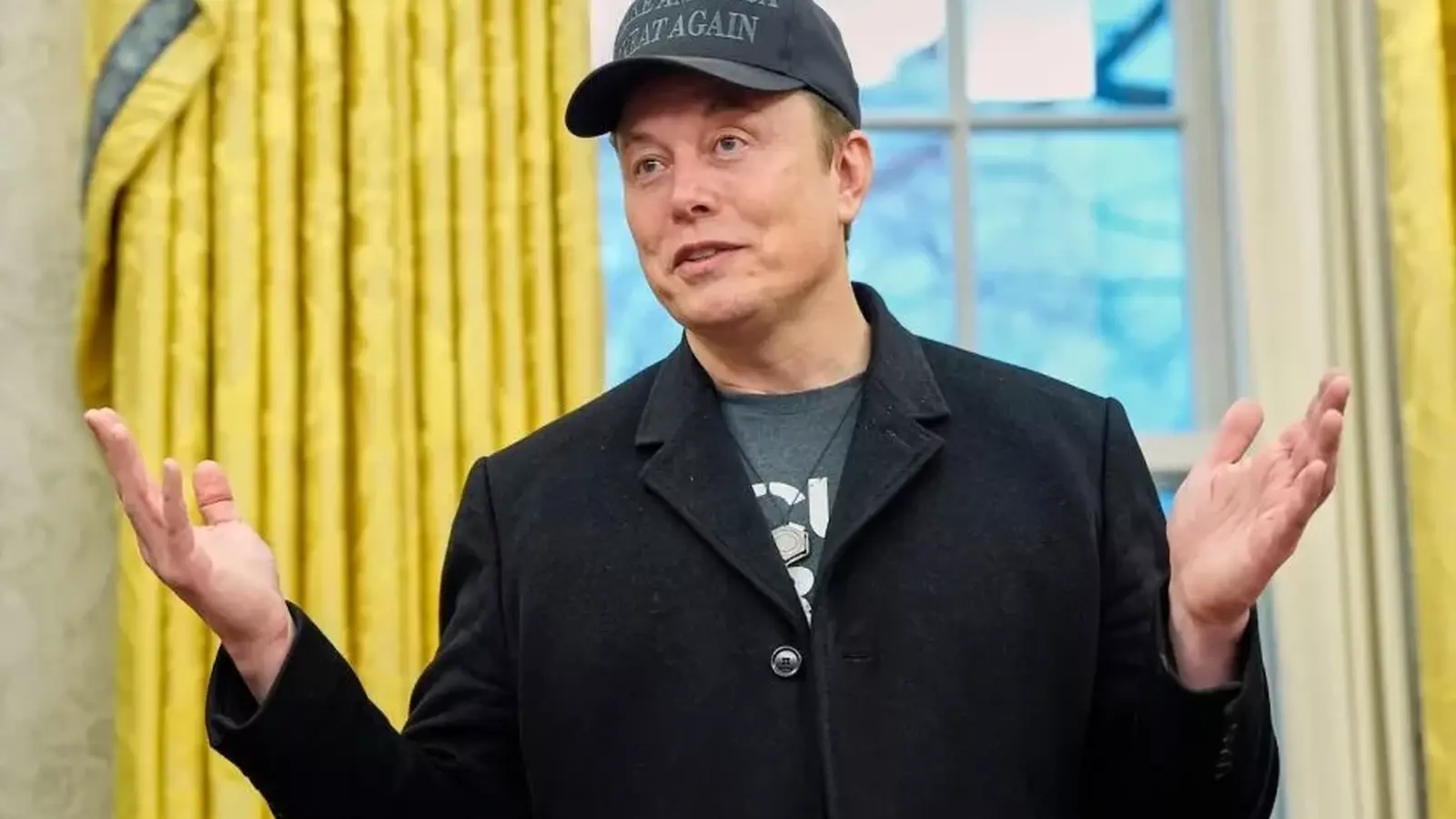
Elon Musk surprised the space community with a short, sharp shift: if Blue Origin lands on the Moon before SpaceX does, he’ll be among the first to congratulate Jeff Bezos. It sounds conciliatory. It also signals a strategic pivot.
For years Musk framed Mars as humanity’s next and urgent destination. The Moon, he said, was a distraction — a place to visit, not to settle. Now he’s softened that stance. Why the change? Because the conversation isn’t about who plants a flag first; it’s about who can move the massive supplies, infrastructure and people needed to build a lasting presence beyond Earth. That flips the script from a sprint to a marathon.
Think of two rival runners: one bursts ahead with a flashy leap; the other builds a steady road. Musk likened SpaceX to the slow-but-deliberate tortoise from the fable — a team plotting decades of infrastructure rather than a single headline-making touchdown. The prize, by his account, is not the prestige of the first lunar landing but the much harder task of delivering millions of tons of material and thousands of people to create a self-sustaining lunar city.
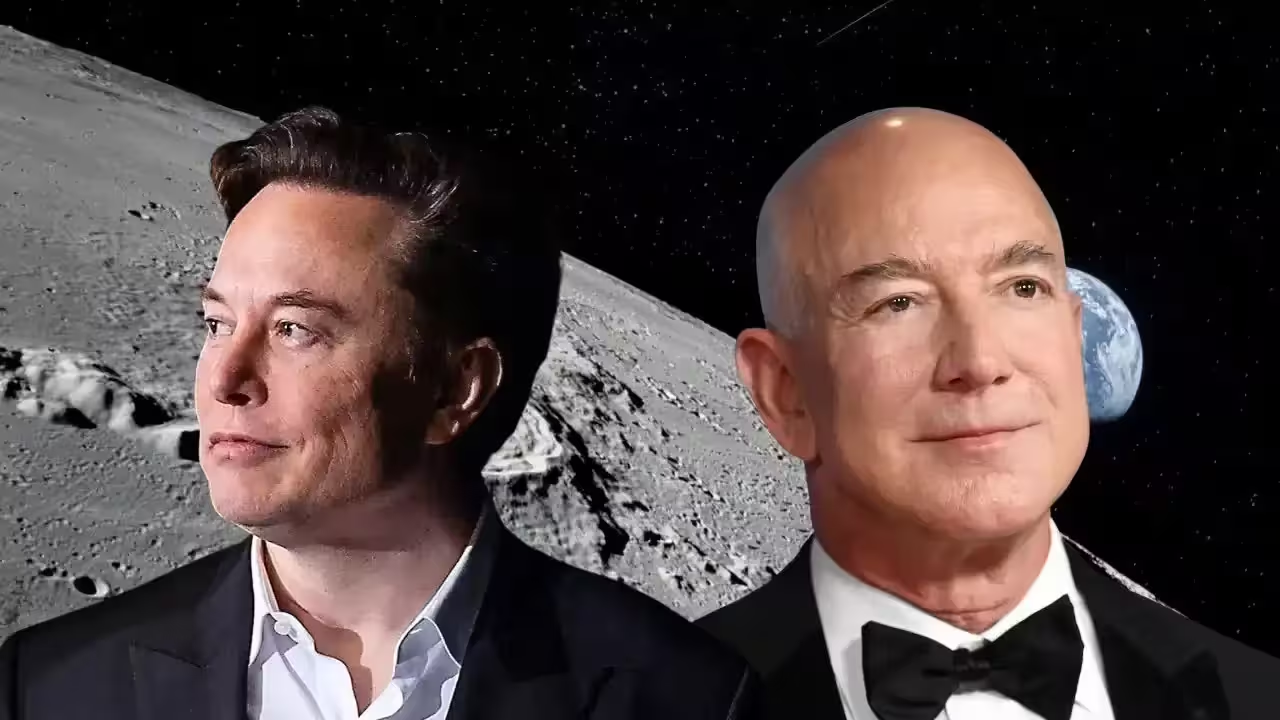
From Mars-first to a Moon-first pathway
That shift closes the gap, conceptually, with Jeff Bezos’s longstanding lunar focus. Bezos has argued for the Moon as a practical stepping-stone: closer, comparatively resource-rich, and more achievable in the near term than a full-scale Martian colony. Blue Origin’s cadence has been slower than planned — the company missed earlier goals such as a 2023 lunar timetable — yet its emphasis on cislunar infrastructure resonates with the logistical realities Musk now highlights.
SpaceX has told investors it aims for an uncrewed lunar landing in March 2027. The company’s Starship architecture is built to carry heavy payloads, a necessary capability for lunar base construction and for any plan that relies on in-situ resource utilization (ISRU). ISRU — extracting water ice, producing oxygen and propellant from local materials — is the technical backbone of a long-term settlement. Without it, every liter of fuel, every kilogram of water, must be hauled from Earth at enormous cost.
There are hard physics and hard logistics behind the rhetoric. Direct transfers from the Moon to Mars are fuel-intensive and complex; the Moon’s lower gravity helps, but its lack of accessible propellant still forces many Mars-bound launches to originate from Earth. That makes the Moon a more practical near-term arena to build manufacturing hubs, test closed-loop life-support systems and scale up space-based industry — all prerequisites for any credible interplanetary civilization plan.
What counts as success has changed. A single crewed touchdown is a headline. A working lunar city is a civilization-building project. Musk’s public concession — and his promise to applaud a rival’s early victory — reads less like surrender and more like strategic realism: win the right race, not the flashy one.
At the center of this competition are technologies we already know are pivotal: fully reusable heavy launchers, orbital refueling, habitat modules, and ISRU systems. Timelines remain uncertain. Ambitions remain vast. The next few years will reveal whether the focus on durable infrastructure or first-to-land prestige sets the course for humanity’s foothold on the Moon.


“The cosmos has always fascinated me. I write about space missions, astronomy, and the technologies pushing humanity beyond Earth.”

Discussion
Leave a Comment
Comments (2)
Is this real though? If SpaceX focuses on hauling tons, who actually pays to build lunar industry — Bezos, govts, private partners? curious..
Wow, Musk going soft on the Moon and actually praising Bezos? Smart move. Logistics beat press pics, this is a marathon, not a sprint. gonna be wild.