
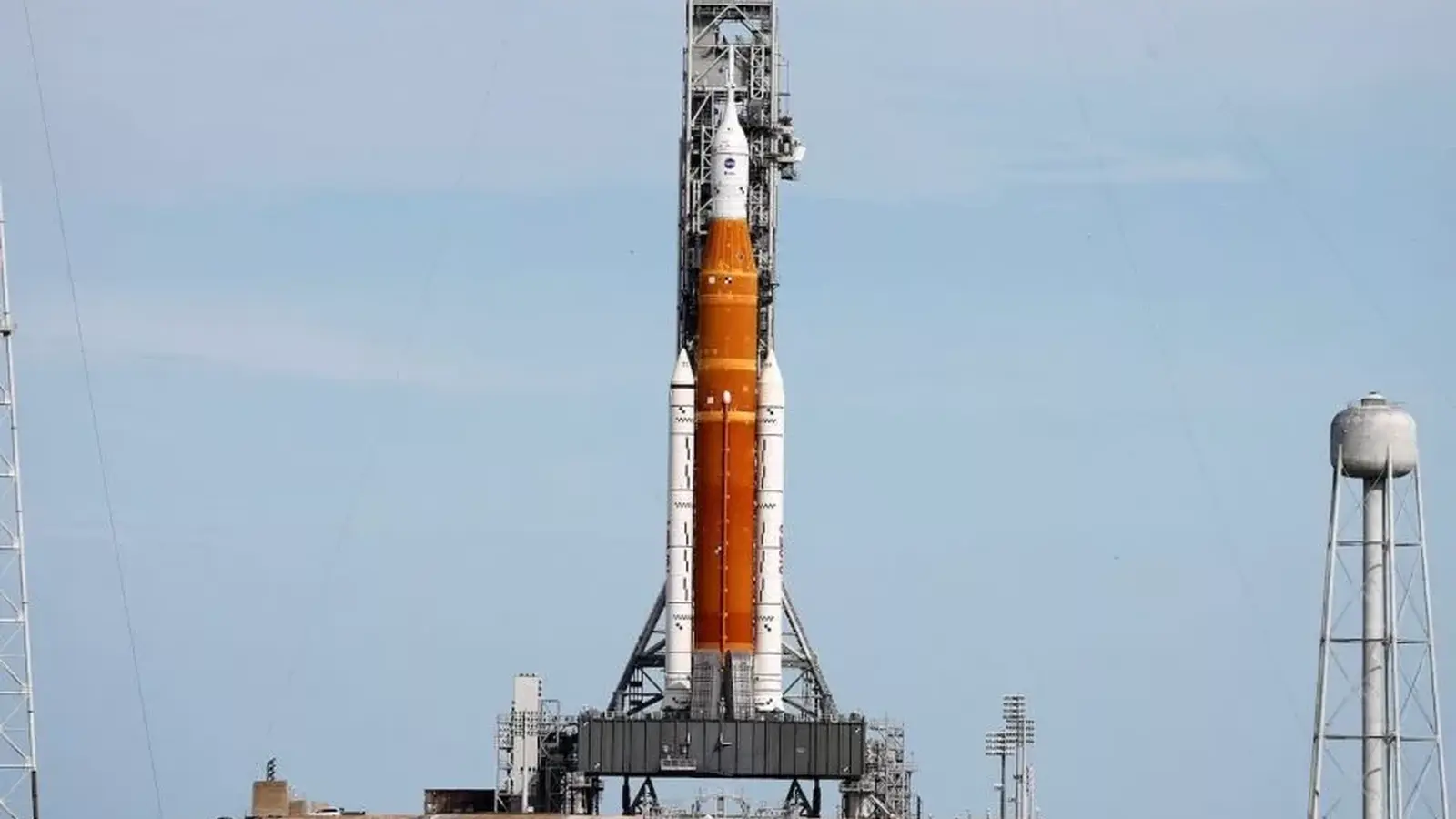
A glitch in invisible plumbing has put NASA's Artemis II launch timetable under review. Engineers found an unexpected anomaly in the rocket's helium flow — a small-sounding fault with outsized consequences for crewed missions. NASA announced the agency will likely delay the planned March 6, 2025 window from Kennedy Space Center while teams inspect the vehicle and Orion spacecraft in more detail.
What happened and why it matters
NPR reported that a formal NASA memo described a disruption in helium flow within the rocket's systems. Helium doesn't power engines or steer the vehicle. It does something quieter but essential: pressurizing propellant tanks and operating valves so fuel and oxidizer move reliably from tanks to engines. When that pressurization is off-nominal, computers and flight controllers can't certify launch safety without thorough trouble-shooting.
NASA said teams will roll the Artemis II stack back from the pad into the Vehicle Assembly Building for closer inspection. That choice follows earlier ground tests in February that exposed several technical issues: a liquid hydrogen leak during fueling that required seal replacements and additional work, and transient ground-control communications problems during a practice countdown. Engineers fixed the hydrogen leak and completed the final rehearsals without a major failure, but the helium anomaly still warrants a detailed dive into telemetry and hardware.
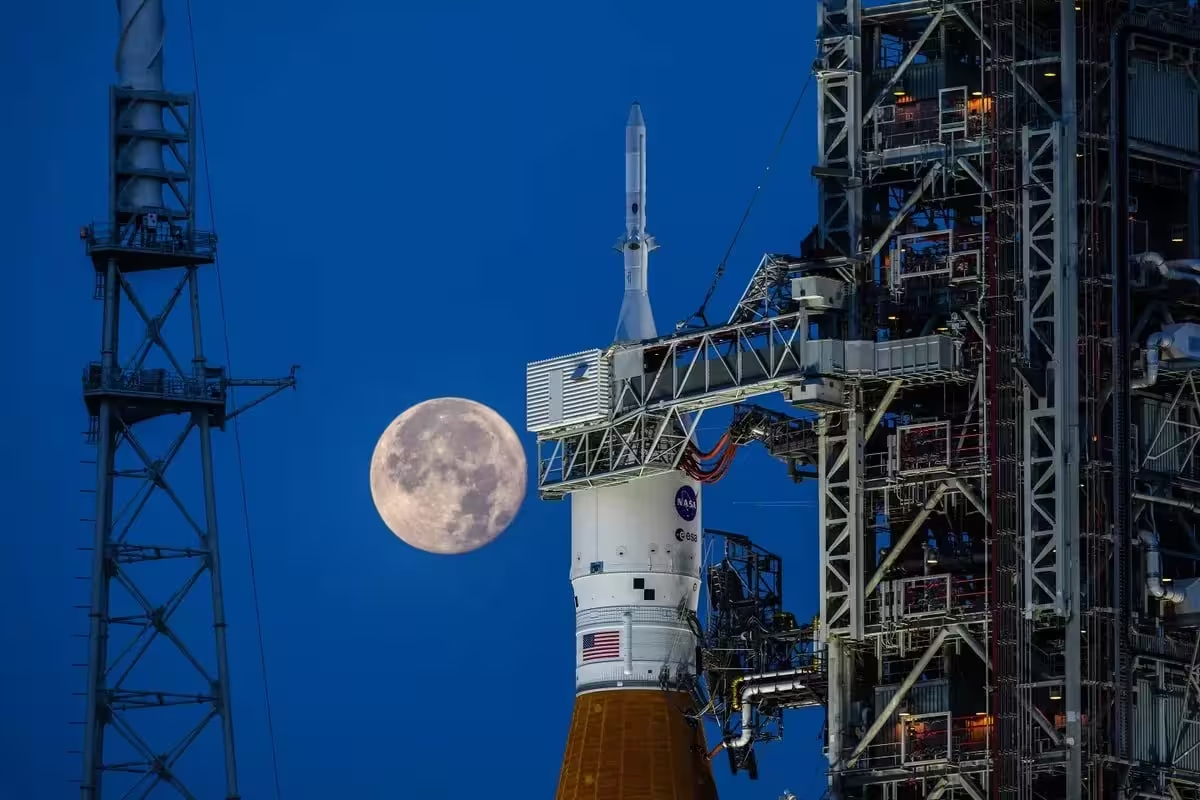
The agency is also reviewing lessons from Artemis I, the 2022 uncrewed mission, because its prelaunch flow and pressure data can provide a useful baseline. In that earlier campaign, teams encountered helium-pressurization challenges on the upper stage before launch and had to address them directly. Repeating known fixes isn’t the same as understanding a new, unexplained behavior; NASA officials stressed the emphasis on crew safety and program readiness over meeting a calendar date.
Operational ripple effects and next steps
Moving the rocket back into the assembly building cancels five March launch opportunities; NASA has identified six possible windows in April 2025 that could be used if the hardware is cleared. Engineers are analyzing recorded sensor data and planning targeted inspections to trace the root cause and validate repairs. The decision pathway balances two priorities: preserve astronaut safety and prevent a cascading schedule slip across the Artemis campaign.
Artemis II will carry four astronauts on a roughly ten-day lunar flyby, the first human mission near the Moon since Apollo 17 in 1972. Its success matters not just as a headline event but as a practical test of Orion systems, life support, and deep-space operations ahead of later Artemis milestones. A delay, while frustrating, is part of how complex aerospace programs manage risk: identify anomalies, isolate causes, and verify corrective actions before committing to a crewed launch.
NPR and NASA statements underline that officials are not taking shortcuts. Teams will proceed methodically, assessing telemetry and hardware before choosing either a return-to-pad timeline or further repairs. For a program designed to sustain long-term lunar operations, prudence now preserves options later — and keeps the astronauts safe for the moment they finally climb aboard.

“The cosmos has always fascinated me. I write about space missions, astronomy, and the technologies pushing humanity beyond Earth.”

Discussion
Leave a Comment
Comments (2)
Seen this in test rigs before, tiny valve or a seal turns into hours of troubleshooting. Good they pulled it back, sucks for the schedule tho.
Helium flow glitch? sounds tiny but could be huge in spaceflight. Hope they find the root cause fast, crew safety first but curious what sensors missed?