
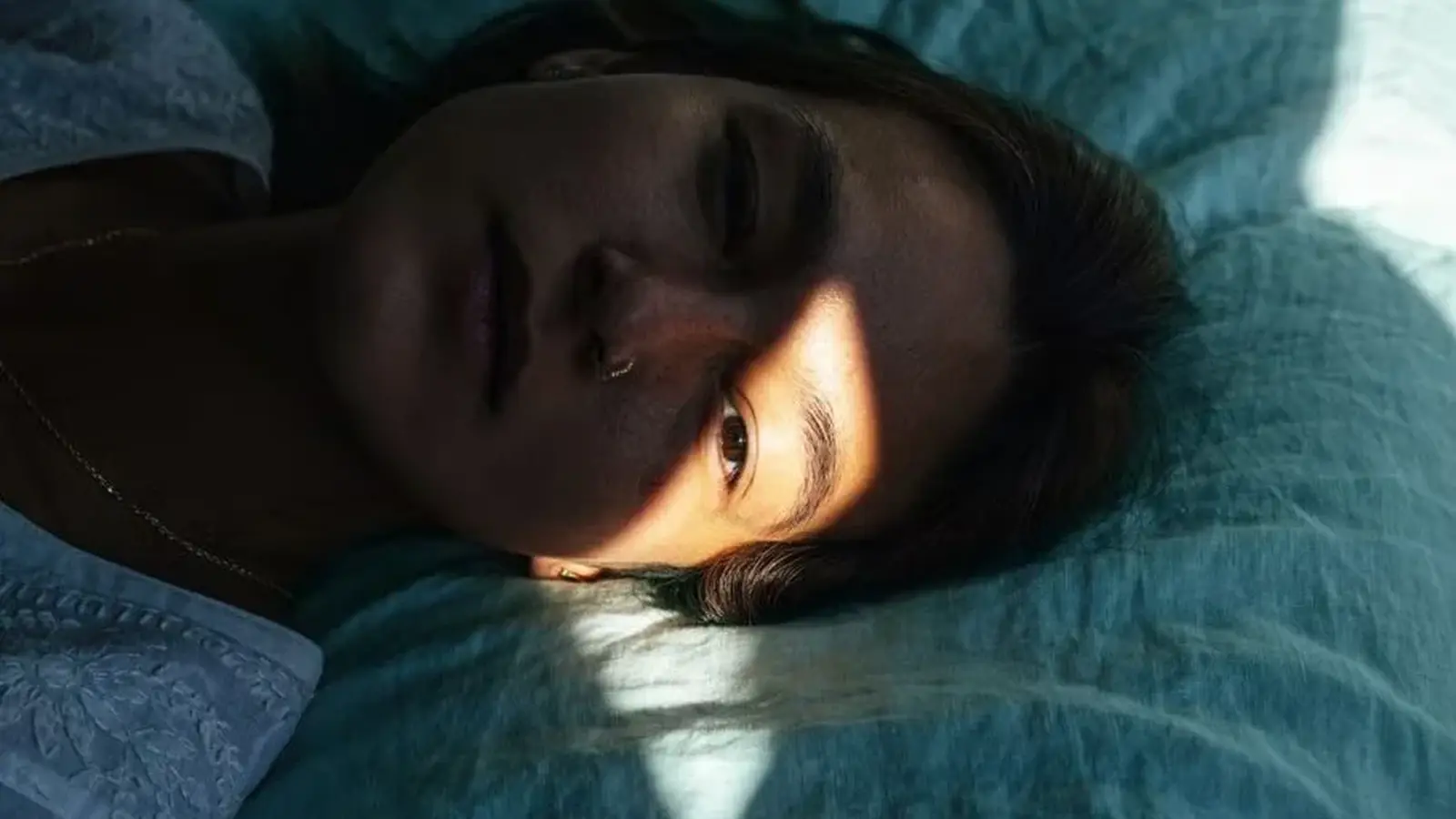
Imagine waking after a long night's sleep still exhausted, your nights later than your friends, and your mood dipping predictably as winter approaches. For a growing number of people with major depression, that pattern may not be random. It could be a distinct clinical profile tied to the body clock.
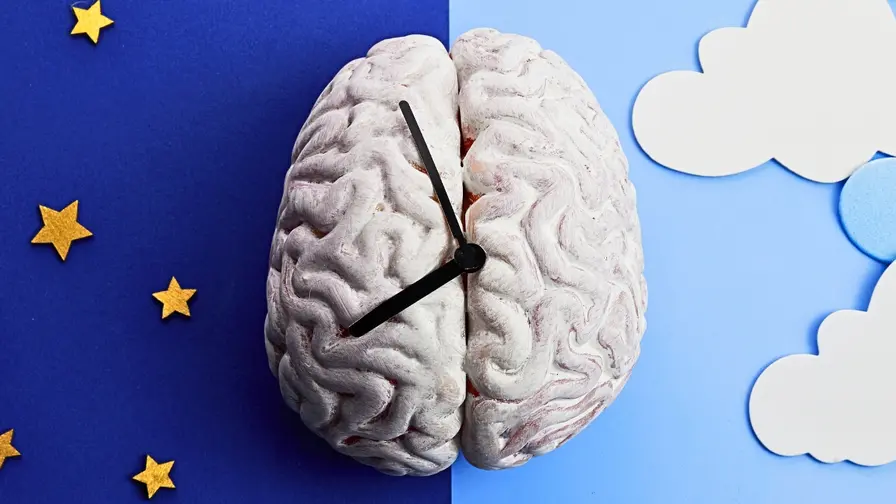
Researchers have revisited an idea first floated in 2021: that a subtype of depression closely linked to circadian rhythm disruption exists. They call it circadian depression. The label is provisional, but the signals are persuasive. In a recent analysis of 11,380 Australians aged 18 to 90, scientists searched for clusters of symptoms that point to a sleep-wake system at odds with everyday life.
About 2,604 participants met the study's threshold: at least three of six characteristic features. Those features included sensitivity to seasonal mood shifts, a preference for late sleep times, marked differences between weekday and weekend sleep schedules, habitual eveningness, sleeping longer than usual, and waking with persistent fatigue. People in this group tended to get depressed at younger ages, around 19 on average, compared with 23 for other participants. Women were overrepresented, and reports of greater psychological distress, suicidal thoughts, and physical complaints were more common.
Genes, treatment response, and what this pattern suggests
Beyond symptoms, the research team examined genetic data. The circadian group showed higher polygenic risk scores for a range of psychiatric conditions: major depression, anxiety disorders, ADHD, and bipolar disorder. Genetic markers linked to higher body mass index, insulin resistance, inflammatory processes, insomnia, and a tendency to be a night owl were also enriched. Taken together, these findings imply that circadian depression may not be just depression plus poor sleep. Instead, it looks like an intertwined biology of mood, metabolism, inflammation, and internal timing.

Clinically relevant differences emerged too. Standard antidepressants, including serotonin reuptake inhibitors, appeared less effective for this subgroup; people reported more side effects such as drowsiness, nausea, agitation, and weight gain. Whether this is due to the unique biology of circadian depression, greater illness severity, or comorbid conditions remains to be clarified. The authors highlight that medication response may vary when the circadian system is a core driver of symptoms.
So what can clinicians and patients take from this? First, careful assessment of sleep patterns, daily timing, and seasonal mood changes could help identify people whose depression is anchored to circadian disruption. Second, treatment strategies that target timing rather than only neurotransmitters deserve attention. Adjusting sleep schedules, carefully timed light therapy, and strategically scheduled medication or behavioral interventions are plausible options. Yet the evidence is not definitive. Randomized clinical trials are needed before practice guidelines change.
The study has limits. The sample was Australian, and the genetic analysis included only participants of European ancestry, so findings may not generalize globally. And circadian depression remains a research construct, not an official diagnostic category. Still, the paper, published in The British Journal of Psychiatry, sets a roadmap: when mood swings follow the clock, maybe the clock should be part of the diagnosis and the cure.
In the end, this research asks a practical question: when your sleep and seasons steer your mood, should treatment steer the clock back? If future trials confirm benefit, chronobiology could move from the margins into mainstream mood-disorder care.

“The cosmos has always fascinated me. I write about space missions, astronomy, and the technologies pushing humanity beyond Earth.”

Discussion
Leave a Comment
Comments
No comments yet. Be the first.