
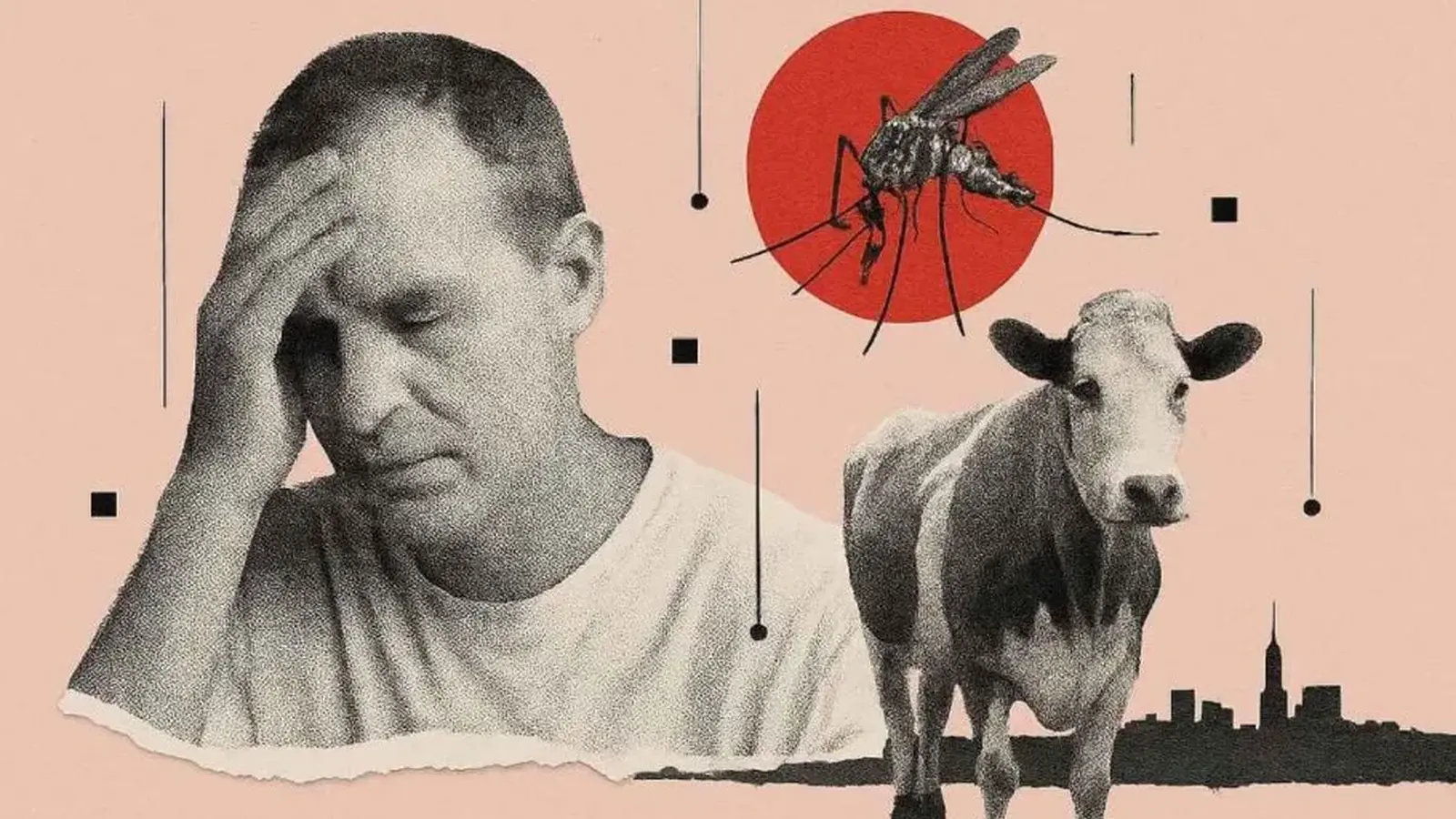
The discovery landed like a jolt: laboratory tests have confirmed that a person who died in Lyon earlier this month was infected with Shamonda virus, a pathogen until now considered largely a livestock problem.
French health authorities say the case involves an immunocompromised individual whose post-mortem samples tested positive for the virus. That single diagnosis does not mean an outbreak among people is imminent. Yet the finding forces a reevaluation of how viruses long associated with animals might behave when they encounter vulnerable humans.
What scientists know so far
Shamonda virus belongs to a group of related orthobunyaviruses that includes Akabane and Schmallenberg. For decades these viruses have been detected mainly in cattle, sheep, and horses, causing fever, lethargy, digestive problems and, in some cases, reduced milk or meat production. Transmission is typically through tiny biting midges of the genus Culicoides. Sporadic animal cases have been reported in Africa, Japan and, more recently, parts of Europe.
European and French agencies emphasize that the new human case appears to be an isolated event. The Ministry of Agriculture confirmed the deceased was receiving specialized treatment for an impaired immune system but did not disclose the underlying condition. Experts note several plausible causes for such immune suppression, from corticosteroid therapy or chemotherapy to chronic infections or autoimmune disorders. Any of these could make a person far more susceptible to pathogens that normally fail to establish infection in healthy adults.
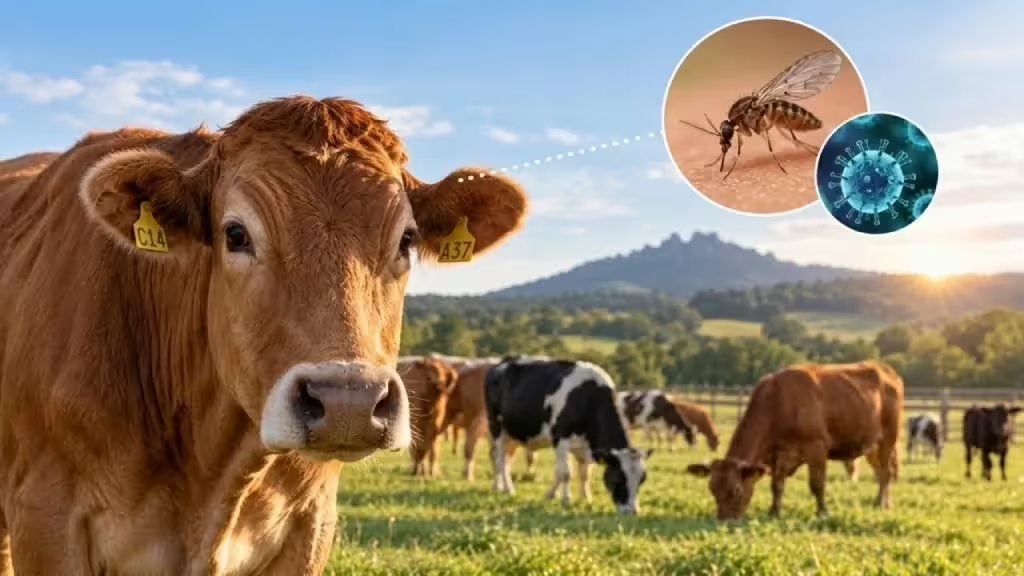
Which midge species transmitted the virus in this instance remains under investigation. The European Centre for Disease Prevention and Control has observed that the characteristic vectors of Shamonda are not commonly reported across much of Europe, complicating efforts to trace the exact chain of transmission. French investigators suspect a local Culicoides bite in eastern France, but entomological work is ongoing.
So what does this mean for public health and agriculture? Short answer: risk to the general population is low. Public health officials have not detected further human cases, and there is no evidence of sustained human-to-human transmission. Still, the event highlights two concerns: first, the vulnerability of immunocompromised people to unusual infections; second, the economic threat posed by vector-borne viruses to livestock and farming communities.
In animals, infection often manifests as temporary fever, loss of appetite and diarrhea, and can translate into serious production losses for farmers. The Belgian Institute for Health and others warn that even limited outbreaks among herds could reduce milk yields and meat outputs, producing downstream economic effects across affected regions.
Authorities are stepping up surveillance. Veterinary services are monitoring herds, and public health teams are tracking any unusual human illnesses that might suggest broader spread. Vector control and targeted entomological surveys are part of the immediate response, along with messaging to clinicians to remain alert when treating patients with weakened immune systems.
Conclusion
The confirmed human infection with Shamonda virus in France should not trigger alarm, but it should prompt vigilance. Pathogens do not respect the boundaries we assign them. When an animal virus finds a susceptible human, it is a reminder: surveillance, diagnostic capacity and clear communication between veterinary and public health authorities are essential. For now, the priority is to learn more about how this infection occurred and to protect both vulnerable people and the farming communities that could bear the brunt of any wider animal outbreaks.


“The cosmos has always fascinated me. I write about space missions, astronomy, and the technologies pushing humanity beyond Earth.”

Discussion
Leave a Comment
Comments (1)
wow this hit me hard, didnt expect a livestock virus in a human. Hope docs and vets stay sharp, poor immune ppl are at risk. surveillance now pls!