
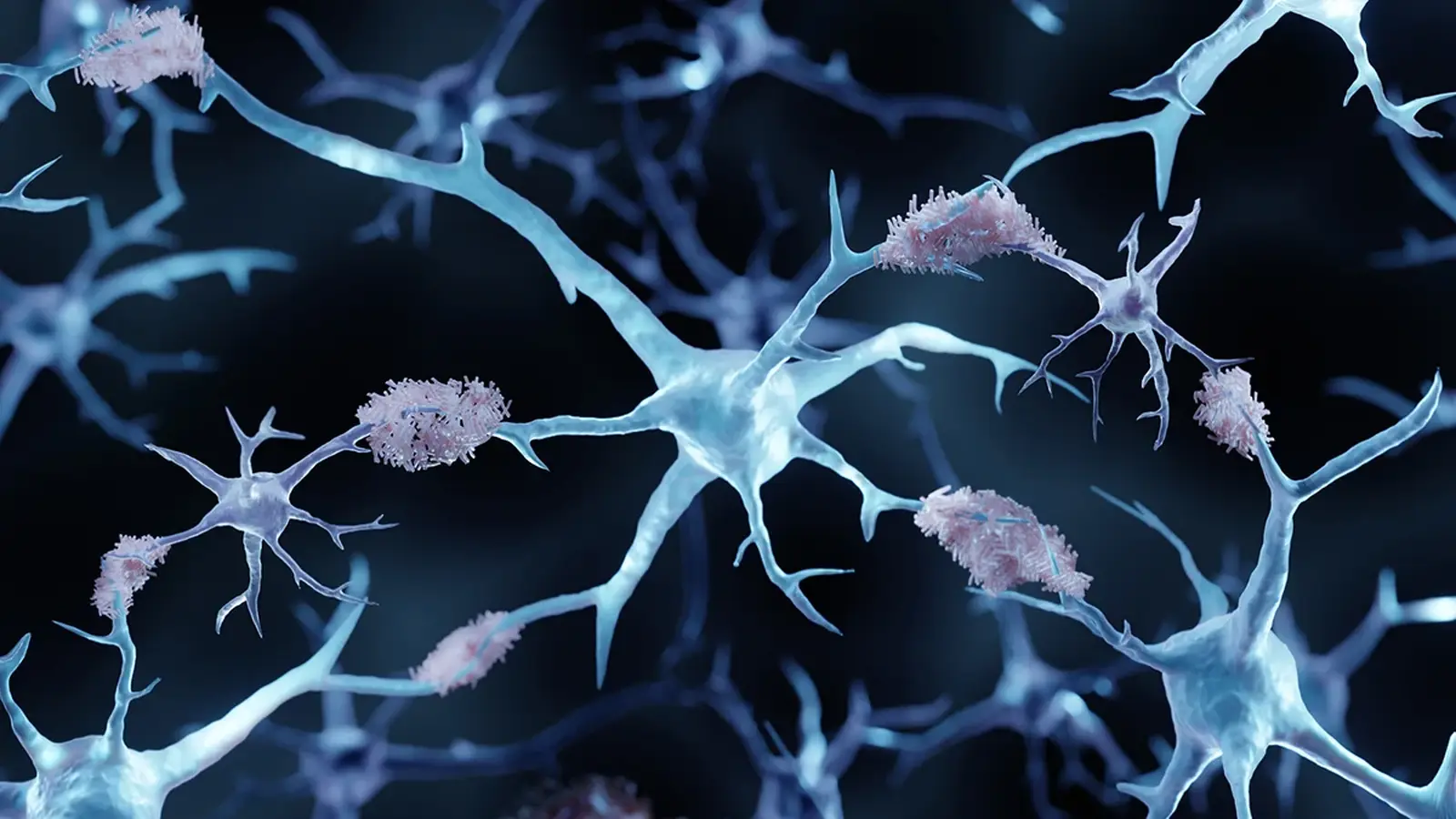
Imagine the brain as a city with clogged sewers. Trash builds up. Streets flood. Neurons struggle to function. Now picture a small molecule acting like a repair crew that restores the pumps that keep those sewers flowing. That is the best short description yet for what researchers in Australia observed when testing a copper-containing compound in mouse models of Alzheimer disease.
Scientists at Monash University and the University of Melbourne tested a compound known as Cu(ATSM), a copper complex that has already attracted attention in trials for other neurodegenerative disorders such as Parkinson disease and ALS. Their experiment did not chase novelty for its own sake. It tackled a persistent, underappreciated problem in Alzheimer research: impaired clearance of toxic proteins from the brain.
How a copper compound nudged the brain's cleanup pumps
Alzheimer disease is often associated with amyloid-beta, a protein that misfolds and aggregates into sticky clumps. But buildup is only part of the story. A failing clearance system can be just as important. One of the brain's molecular janitors is P-glycoprotein, or P-gp, a transporter sitting on the blood-brain barrier that helps shuttle amyloid-beta out of the brain and into the circulation. In Alzheimer disease, P-gp levels and activity can fall, leaving toxic proteins behind.
The team delivered Cu(ATSM) to Alzheimer-model mice with the explicit goal of restoring P-gp. The results were striking. P-gp abundance rose by about 24 percent after treatment. The group also reported a 42 percent reduction in the most toxic form of amyloid-beta and nearly a 44 percent improvement in long-term spatial memory across the 56-day trial period. In behavioral terms, these mice navigated mazes with a confidence and consistency they had not shown before.

Study details at a glance
- Compound: Cu(ATSM), a copper-based complex previously used in clinical testing for other neurodegenerative diseases.
- Model: Mouse models engineered to accumulate amyloid-beta plaques and show memory deficits.
- Key outcomes: P-gp up by 24.1 percent, toxic amyloid-beta down 42 percent, spatial memory improved ~44 percent.
- Duration: 56 days of observation with tissue analysis and behavioral testing.
Joseph Nicolazzo, a pharmaceutical scientist at Monash University, described Cu(ATSM) as having anti-inflammatory and neuroprotective properties and noted that these latest preclinical findings provide a clear rationale to consider trials in early symptomatic Alzheimer disease. Jae Pyun, another researcher on the project, emphasized that this is the first demonstration linking repair of blood-brain barrier clearance pumps to both lower toxic protein burdens and measurable cognitive gains in an Alzheimer model.
That last point is crucial. Many therapies have focused on directly removing amyloid-beta from the brain, with mixed clinical success. What this study suggests is an alternative—or complementary—approach: strengthen the brain’s own clearance machinery so toxic proteins are handled more efficiently in the first place.


Risks, unknowns, and the path to patients
Encouraging as the mouse data are, the jump from rodents to humans is steep. Copper is an essential metal; the brain needs it, but balance matters. Treated mice did show a rise in copper bioavailability across the body. The authors argue these increases were unlikely to cause toxicity within their study window, yet they recommend that future work include standard organ toxicity assays, copper-dependent enzyme panels, and oxidative stress markers. That cautious tone is warranted. Copper participates in many redox reactions; too much of it in the wrong place can cause harm.
Another cautionary note comes from the clinical record. A pilot comparative analysis showed no significant benefit of Cu(ATSM) in humans with ALS, reminding researchers that promising mechanisms do not always translate into clinical efficacy. Still, the mechanism here—repair of P-gp function at the blood-brain barrier—could have broader implications beyond Alzheimer disease and may inform combination strategies that pair clearance restoration with targeted amyloid removal.
What questions remain? Quite a few. How durable are the improvements in P-gp and memory? Which forms of amyloid are most affected by increased clearance? Are there patient subgroups—defined by age, genetic risk, or stage of disease—that would benefit most? And what is the optimal dosing window that maximizes benefit while minimizing systemic copper exposure?
Expert Insight
"Restoring the brain's export pathways is a different angle, and it matters," says Dr. Elena Rossi, a neurologist and translational researcher not involved with the study. "We have been focused on the trash itself for decades. Fixing the pumps could reduce downstream inflammation and synaptic damage in a way that complements other therapies. But human biology rarely mirrors mice exactly, so rigorous phase 1 safety studies and well-controlled efficacy trials are essential."
Conclusion
The study of Cu(ATSM) in mice offers a compelling proof of concept: enhancing copper bioavailability, when carefully targeted, can revive molecular clearance pathways and lower toxic amyloid levels, with measurable cognitive benefit in animal models. It does not yet deliver an Alzheimer cure. Rather, it supplies a new piece to a complex puzzle and a clear set of next steps—safety profiling, mechanistic exploration, and carefully designed human trials. If the approach holds up in people, repairing the brain’s cleanup systems could become an important strategy in the broader effort to slow or prevent neurodegeneration.

“The cosmos has always fascinated me. I write about space missions, astronomy, and the technologies pushing humanity beyond Earth.”

Discussion
Leave a Comment
Comments (2)
Is this even true? copper sounds risky, mice did better but ALS trial was meh. how long do benefits last, and any organ toxicity?
wow, fixing the BBB pumps with copper? mice memory +44% is insane! if that's real then big deal, but humans differ, pls careful