

The picture of a family gathering, with a great-grandparent reaching 100 and a room full of younger relatives trading stories, is more than a sentimental snapshot. It may be a clue to inherited protection against some of the most common killers of old age. New pooled research shows that adults with at least one parent who made it to age 100 face significantly lower risks of death, heart disease, and high blood pressure than people whose parents had more typical lifespans.
What the pooled studies looked like
Researchers combined data from three long-running projects that tracked health outcomes across decades: the LonGenity study led by Albert Einstein College of Medicine, the New England Centenarian Study at Boston University, and the UK Biobank. Altogether the analysis included 2,319 adults with a centenarian parent and 2,703 control participants whose parents died at younger ages or who were spouses of centenarians' offspring. The inclusion of spouses is clever: couples often share lifestyle and environment but not the same inherited biology, offering an extra comparison.
Time on study varied by cohort: roughly 16 years of follow-up in LonGenity and the UK Biobank, and nearly 29 years in the New England study. The investigators analyzed each dataset using the same statistical approach so they could test whether the associations were reproducible across different populations and study designs.

Key findings that caught attention
The headline numbers are striking. At any given age, people with a centenarian parent had a 42 percent lower risk of death compared with controls. Their risk of cardiovascular disease was 33 percent lower, and their risk of developing hypertension was 32 percent lower. On average the offspring died about three years later than matched peers and developed high blood pressure roughly five years later.
Those delays matter. Hypertension raises the risk of heart attack, stroke, kidney disease, and dementia; postponing its onset by five years can translate into fewer complications and more years of independent life.
Not a blanket shield
The protective signal was not universal. Stroke risk appeared reduced in two of the three cohorts but not consistently across all datasets. Cancer risk was essentially unchanged among centenarians' children, aligning with prior research that suggests longevity-linked biology may protect specific systems more than others.
Importantly, the researchers adjusted for common lifestyle and socioeconomic factors such as smoking, alcohol use, exercise, diet, education, and income. Those behaviors mattered, but they did not fully explain why children of centenarians fared better. That leaves open the likelihood that inherited biology contributes to these advantages.
Why families of long-livers matter to science
Ask why some people age with fewer diseases and maintain function into extreme old age, and you land on the interplay between genes, environment, and chance. Families in which exceptional longevity clusters provide a natural experiment. They suggest there are biological mechanisms that slow or reshape the aging process for some organs or systems.
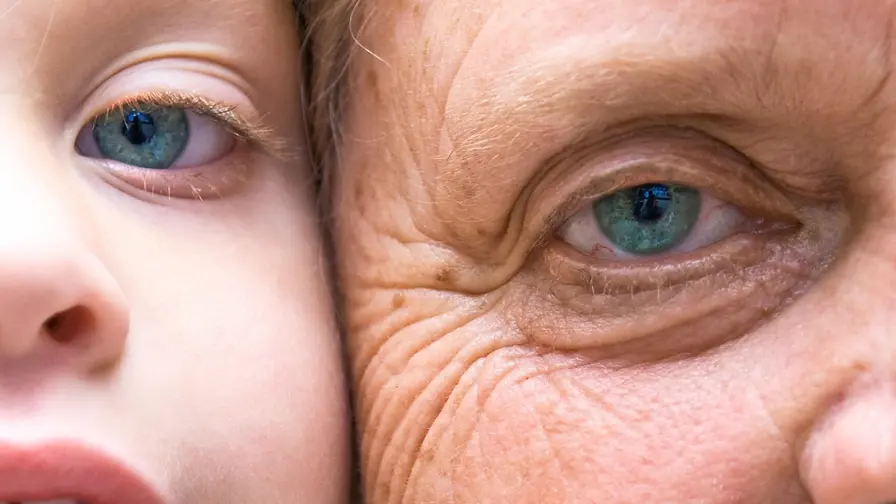
The investigators caution that this pooled study does not identify the specific genetic variants or biological pathways responsible. Still, it strengthens the rationale for studying centenarians and their relatives as a route to discoveries that could be translated into therapies. If researchers can pinpoint protective mechanisms that delay cardiovascular aging or preserve vascular health, those pathways could become targets for drugs or lifestyle interventions that benefit the wider population.
Study voices and what they said
Sofiya Milman, a senior investigator who directs genetics research at Albert Einstein College of Medicine, framed centenarians as a window into healthy aging. She and colleagues set out to see whether the perks of exceptional longevity pass to the next generation, and whether those perks can be explained by habits alone. Their answer: habits matter, but they do not tell the whole story.

Eric Reed, the lead author, emphasized the consistency of the pattern across three different cohorts. He noted that the findings reinforce the long-standing observation that longevity tends to run in families. Paola Sebastiani at Tufts added that these familial patterns bring researchers closer to understanding the biological factors that protect against age-related disease and support longer healthy lives.
Expert Insight
'This study adds important weight to the idea that genetic and biological factors contribute to how some families experience aging, especially for heart and vascular health,' said Dr. Miranda Cole, a geriatric cardiologist and aging researcher not involved in the study. 'Translating those signals into treatments will be challenging. But focusing on families with exceptional longevity gives us a more concentrated signal to follow than population averages. It's like tuning an antenna to hear a faint station.'
Dr. Cole pointed out that the absence of a reduced cancer risk among centenarians' offspring suggests any protective biology may be organ-specific. 'Different pathways likely govern resilience to cancer versus cardiovascular disease,' she said.
Implications for research and public health
For scientists, the next steps are clear. Map the genetic variants and molecular pathways that differ in these families. Study cellular mechanisms, immune system function, and the biology of blood vessels. Large-scale sequencing and biomarker studies anchored to these family cohorts could reveal targets for interventions that mimic naturally occurring longevity mechanisms.
For clinicians and the public, the study offers two practical takeaways. First, family history matters—not only in the form of disease susceptibility but also in potential resilience. Second, lifestyle remains crucial. The centenarians' offspring were healthier, but healthy behaviors still reduced risk across the entire study population.
Conclusion

The clustering of unusually long and healthier lives within families is more than an anecdote. It is a reproducible signal that invites deeper biological investigation. Identifying the protective factors that run in these families could open a pathway from observation to intervention, helping people who did not inherit those advantages to gain years of healthier life.

“The cosmos has always fascinated me. I write about space missions, astronomy, and the technologies pushing humanity beyond Earth.”

Discussion
Leave a Comment
Comments (3)
Interesting study, family history could mean resilience not destiny. Lifestyle still huge, ok? quick thought
Is this even real? 42% lower risk sounds wild, but sample bias? spouse controls help, yet I'm skeptical 🤔
wow, family genes sound powerful... 3 extra years matters a lot. curious which genes, and why cancer wasnt protected? feels hopeful, cautious tho