
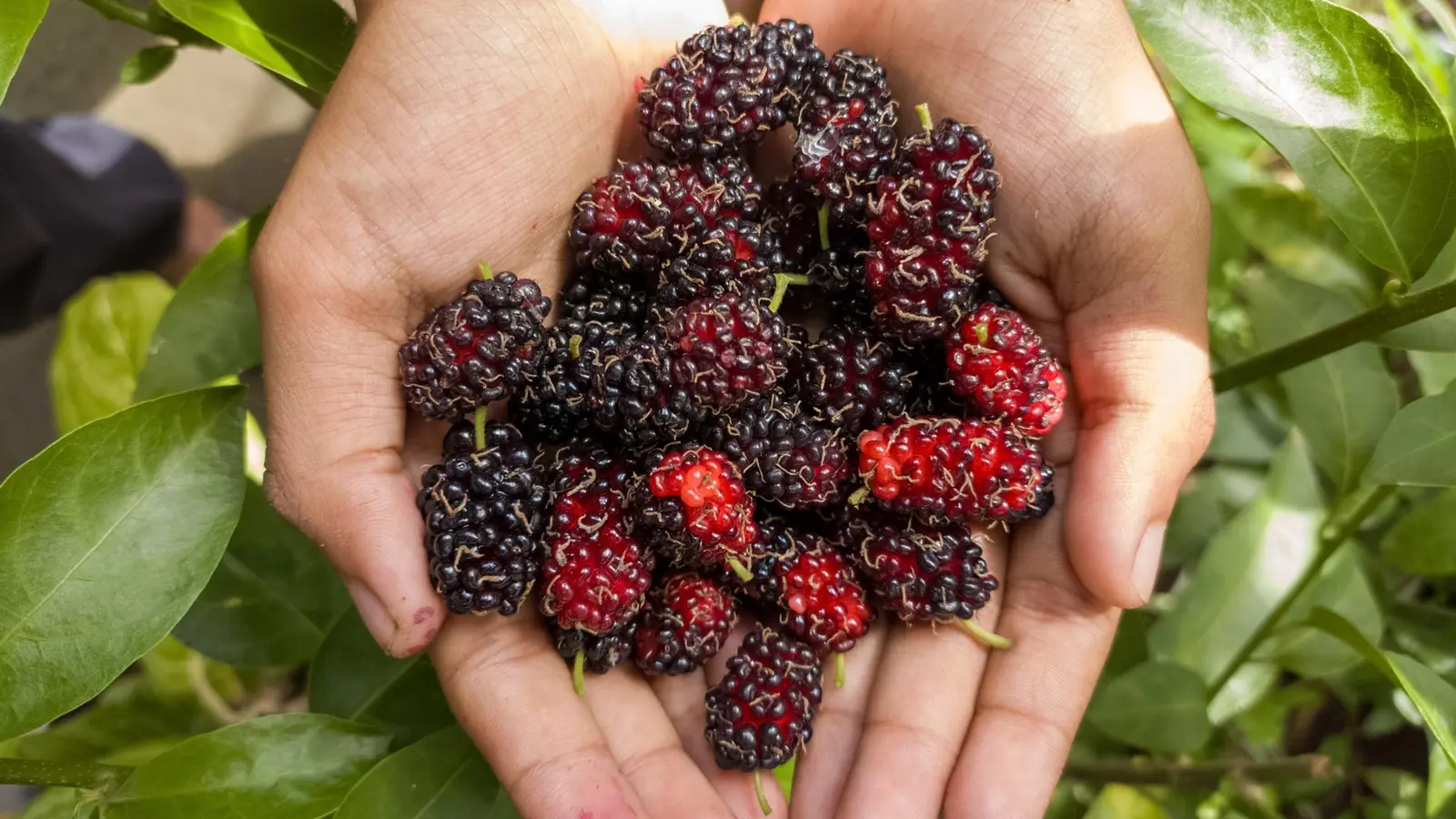
A small handful of mulberry leaves can look like a simple herbal remedy. In the lab, those same leaves behave like a complex chemical toolbox, rearranging the gut’s microbial economy in ways that touch blood sugar, fat processing, and the intestinal lining. The surprise is not that mulberry matters, but that how it is prepared often determines whether it helps, does nothing, or simply behaves differently.
Mulberry compounds may reshape gut microbial activity in ways linked to metabolism and intestinal health, but their effects appear to depend strongly on how the plant is processed.
Why scientists are watching mulberry
Researchers at Wroclaw Medical University and collaborators compiled evidence from cell studies and animal experiments that points to mulberry as a modulator of the gut microbiota. The plant contains several bioactive groups: polyphenols, polysaccharides, and the sugar-analogue 1-deoxynojirimycin, often abbreviated DNJ. Each of these can interact with microbes in distinct ways.
Most lab research has centered on white mulberry, Morus alba, while black mulberry, Morus nigra, has attracted attention for its fruit. Black fruit brings anthocyanins and other phenolic compounds in larger amounts, and leaves carry polysaccharides and DNJ that can influence carbohydrate digestion. That biochemical variety is a double-edged sword. It gives mulberry many potential pathways to affect health, but it also makes the plant’s effects highly conditional on species, plant part, and processing method.
How mulberry becomes metabolites in the gut
Gut bacteria do what plants cannot: they chew up complex molecules and turn them into simpler chemicals that the host can use. When mulberry polysaccharides reach the colon, certain microbes ferment them and produce short-chain fatty acids such as acetate, propionate, and butyrate. These molecules support the intestinal barrier, feed colon cells, and take part in signaling networks that influence glucose and lipid metabolism elsewhere in the body.
Animal studies in the review reported shifts toward bacterial groups often labeled as beneficial, alongside rises in short-chain fatty acids. Those microbial shifts sometimes tracked with improved glucose handling and better lipid profiles in mice, suggesting a plausible microbiota-mediated route from mulberry intake to metabolic effect.
Structure and processing decide the outcome
Not all mulberry preparations are equal. Drying, fermenting, and extracting plant material alter both the abundance and balance of active compounds. Two extracts from the same leaves can have very different chemical fingerprints. That explains why polysaccharide fractions from black mulberry fruit varied in how readily microbes fermented them, and why water-extracted material treated with enzymes such as pectate lyase showed stronger prebiotic potential in some experiments.
Polysaccharide features like molecular weight and monosaccharide composition matter. Those structural traits determine which bacteria can metabolize the molecules and which short-chain fatty acids they generate. In other words, listing the ingredients is only a first step; the three-dimensional chemistry dictates the response.

Some of the clearest benefits emerged when researchers tested complex mixtures rather than isolated ingredients. In mice fed a high-fat diet, a white mulberry fraction that combined polyphenols and polysaccharides shifted the gut bacterial community more toward a beneficial profile than either fraction administered alone. The combined treatment also improved several markers tied to metabolic syndrome and gut health.
To probe causality, scientists transferred microbiota from treated mice into other animals. The recipients experienced partial improvements in metabolic disturbances, strengthening the case that the reshaped microbial community carried functional benefits, rather than those benefits arising solely from direct chemical effects of the mulberry compounds.
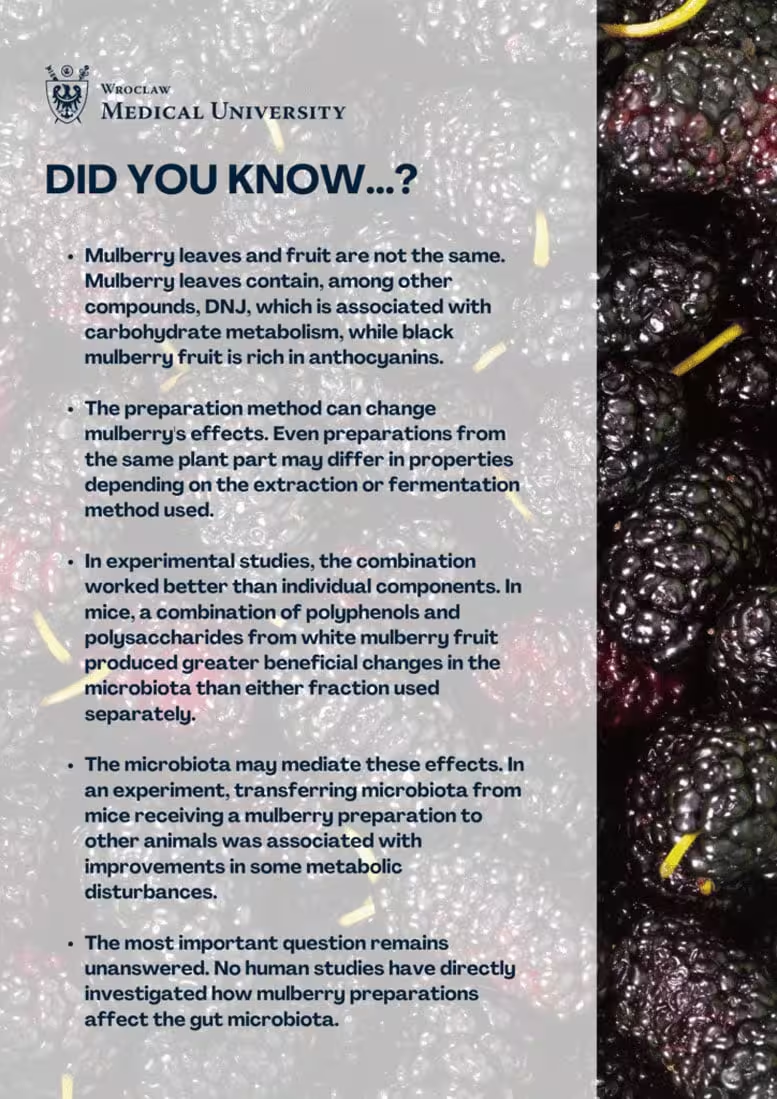
Infographic highlighting how mulberry species, plant parts, and preparation methods can influence their chemical composition and potential effects on the gut microbiota.
What we still do not know
The headline from the review is cautiously optimistic, but human data are sparse. Most evidence so far comes from in vitro assays and studies in rodents. Direct trials that measure changes in the human gut microbiota after carefully characterized mulberry preparations are rare. Without standardized extracts and detailed chemical analysis, studies are hard to compare and impossible to pool with confidence.
Prescha, a professor in the Department of Dietetics and Bromatology at Wroclaw Medical University, emphasizes that species, plant part, chemical ratios, and processing must be considered when designing any product aimed at a specific outcome. A generic mulberry supplement sold without compositional control is unlikely to deliver predictable effects.
Expert Insight
Dr. Emily Hart, a microbiome scientist at a European university, comments: "Mulberry offers a useful case study in how botanical complexity both expands opportunity and raises barriers. The microbe-driven production of short-chain fatty acids provides a plausible mechanism linking mulberry components to metabolic effects, but human trials using chemically defined preparations are the necessary next step. Until then, the safest conclusion is that mulberry can influence the microbiota under controlled conditions, but its clinical relevance in people remains unproven."
Conclusion
Standardized, composition-defined mulberry preparations need rigorous human trials to determine whether the microbial changes seen in animals translate into reliable metabolic or intestinal health benefits for people.

For now, mulberry research sits at an intriguing intersection of plant chemistry and microbiology. It reminds us that whole-plant remedies can act through a web of interactions rather than from a single active molecule. Designing effective, reliable supplements will require chemistry and microbiology to be aligned from the start, not discovered by chance.

“My work centers on sustainability, energy, and environmental science — examining how innovation can lead to a greener future.”

Discussion
Leave a Comment
Comments (2)
I tried mulberry tea for a week once, nothing dramatic. Maybe I brewed wrong or it was a different species, ppl get mixed results lol
So drying or fermenting can totally flip mulberry's effects? Sounds like mostly mice lab stuff, curious about real humans tho hmm