
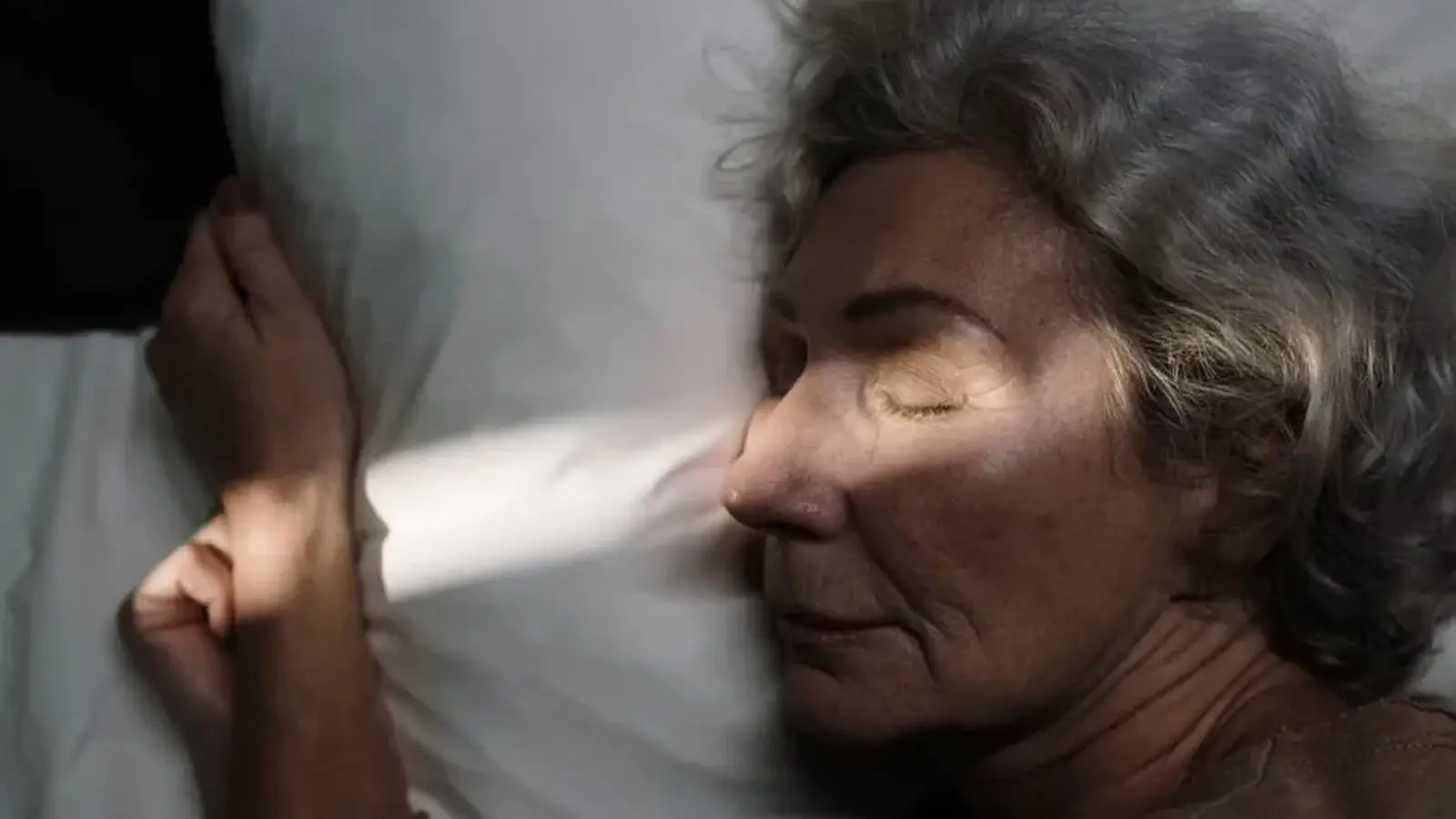
You do not need a streetlamp outside your window to harm your heart. A faint glow from a phone screen, a small LED left on, or moonlight slipping through curtains can be enough to set a slow, harmful process in motion.
Night light and the heart: what the study found
Researchers led by Lu Qi at Tulane University monitored light exposure in 11,071 adults for one week and then assessed their hearts with cardiac MRI three years later. Participants exposed to the highest amounts of nighttime light showed thicker walls in the left ventricle, a reduced chamber size, and signs that the heart had become less compliant during beats. Those changes are hallmarks of cardiac remodeling, a structural response usually seen after chronic stress or injury and one that can precede heart failure.
Published in the European Heart Journal, the study links even modest nighttime illumination to measurable changes in heart structure and function. "Higher night light exposure is tied to remodeling of the heart," Lu Qi said, adding that while remodeling can be an adaptive response, over time it weakens cardiac performance and raises the risk of heart failure.
Why would faint light affect the cardiovascular system?
At first glance the connection seems unlikely. But the body runs on biological rhythms. Nighttime light disrupts the circadian clock. That lowers melatonin, fragments sleep, and shifts autonomic balance toward daytime patterns when the body should be resting. The result: higher blood pressure during sleep windows, subtle inflammation, and endocrine changes that together nudge the heart toward structural adaptation.
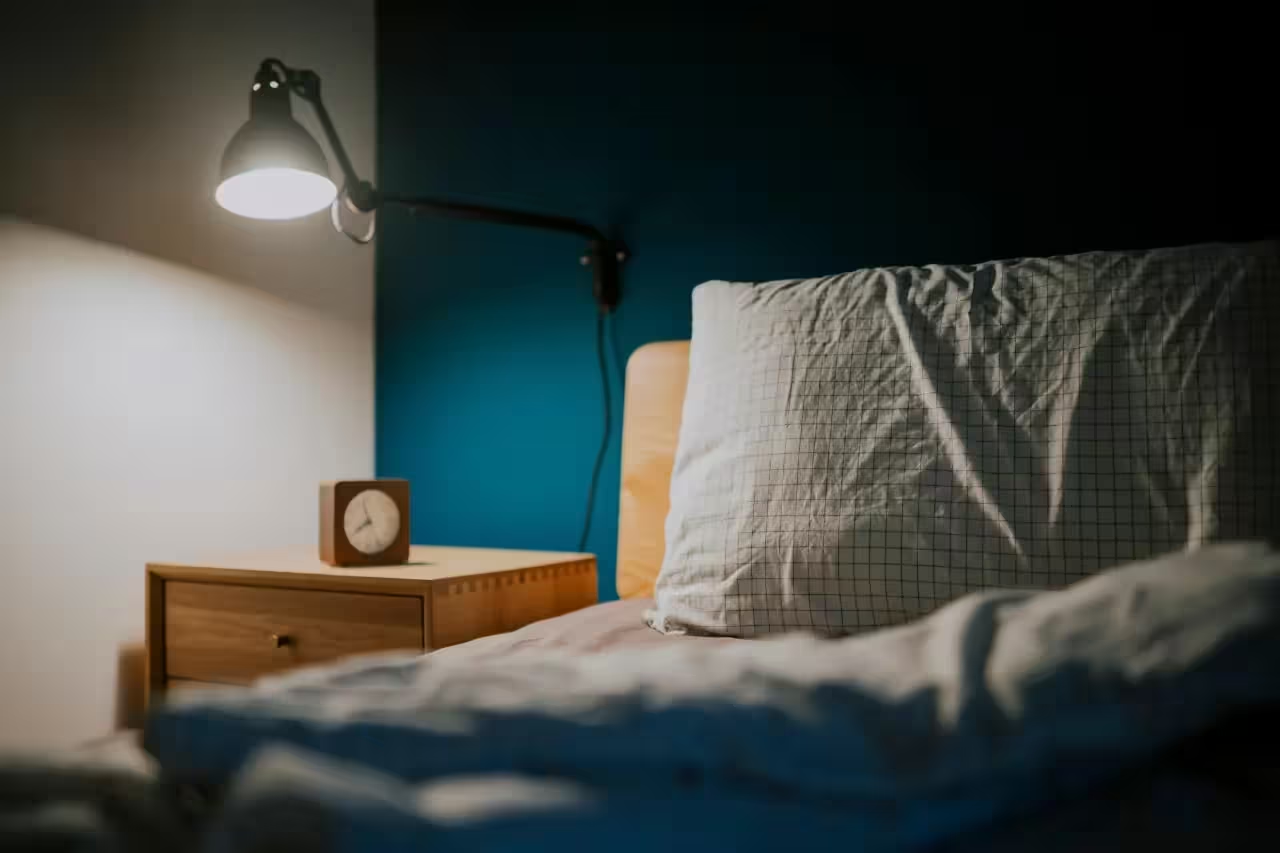
Cardiac remodeling in this context means the muscle thickens and stiffens while the internal cavity can shrink. The heart must then work harder to pump the same amount of blood. Small changes, repeated night after night, accumulate.
Thomas Münzel, a cardiologist at Mainz University Medical Center who was not part of the study, urged clinicians to take sleep environment seriously. "Darkness should be treated like a vital sign," he said. "It matters for cardiovascular health, alongside blood pressure and clean air."
Practical steps to protect your heart during sleep
- Make the bedroom as dark as possible with blackout curtains or shades.
- Cover or disable standby LEDs on TVs, routers, and chargers.
- Use warm-colored night lights only when necessary and keep them dim.
- Charge phones outside the bedroom or place them face down with screens off.
- Ask your physician about sleep quality and light exposure when discussing cardiovascular risk.
Small changes are easy to implement. They may also offer a low-cost way to reduce long-term cardiovascular risk across populations.
Conclusion
The link between light at night and heart structure underscores how environmental factors shape health beyond traditional risk markers. Turning down the glow might seem trivial. The evidence suggests it may matter a lot.

“The cosmos has always fascinated me. I write about space missions, astronomy, and the technologies pushing humanity beyond Earth.”

Discussion
Leave a Comment
Comments (2)
Hmm... is this causal tho? City living, noise, stress, socioeconomic stuff could explain it. Study looks big but hmm
Wow, never thought moonlight could nudge your heart remodeling over years. gonna pull blackout curtains tonight, asap... kinda freaked out