
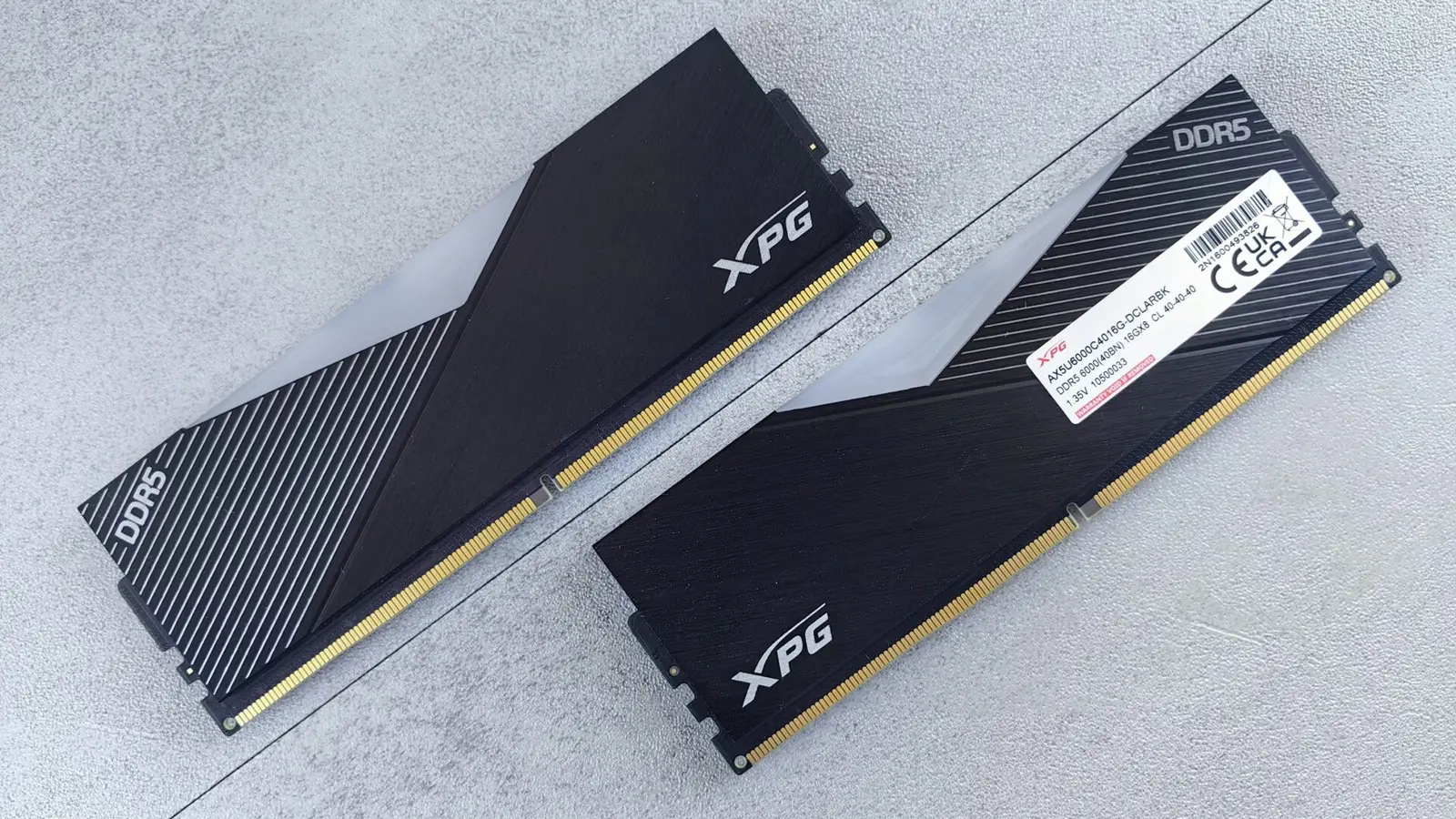
Can a modest Chinese memory firm quietly narrow the gap with a global giant? Walk into a modern memory fab and you will meet two relentless metrics: purity and yield. One decides whether a wafer becomes a headline or a write-off. CXMT, formally ChangXin Memory Technologies, says it has pushed yields on its 17nm-class DDR5 process above 90 percent. That number suddenly changes the conversation.
Why yields matter more than node names
Yield is the fraction of chips that come out of a production run usable. Higher yield translates into lower unit cost, steadier supply and more bargaining power with PC and server makers. Hitting north of 90 percent on a mainstream DDR5 node puts CXMT just a stone's throw behind Samsung, which has been reported at about 92 to 93 percent. Two percent on paper. A big difference in practice.
There is nuance, though. Reports earlier this year painted a different picture: lower yields, manufacturing headaches, and even whispers that CXMT might have leapfrogged a 17nm node to 16nm. Sometimes the debate is technical semantics, not miracles. Shrinking an etched line width does not always mean an instant performance or cost win. What matters is maturity: a process that reliably turns wafers into sellable chips at scale.
So far, the evidence of maturation is modest but visible. CXMT modules have started appearing in commercial machines. Acer and Asus have placed the company's DRAM in select notebook SKUs, primarily aimed at China and other emerging markets. HP reportedly uses CXMT memory exclusively for models destined for the Chinese market. Dell, for now, has stayed conservative. That pattern tells you where trust is growing and where it is still being tested.


Volumes remain limited. Most major OEMs are reluctant to peel significant allocation away from Samsung, SK hynix and Micron, which together capture more than 90 percent of DRAM revenue, according to Counterpoint. Those three still lead on process density and power efficiency. They supply the densest nodes and the high-bandwidth memory segments that feed AI accelerators and hyperscale servers.
Yet context matters. The global memory market is under pressure from surging AI-driven demand. Inventory is thin in many product tiers, and every additional, reliable source of DDR5 can ease supply tightness. CXMT is not poised to topple the incumbents overnight, nor to race into the most advanced product categories. What it can do is offer a stable domestic supply and selectively support exports if yield and quality prove consistent at higher output.
There is also a geopolitical thread. Western OEMs and hyperscalers tend to prefer established suppliers for flagship gear. But for consumer laptops, corporate notebooks tied to local markets, and other lower-tier segments, a supplier that meets specs at a lower cost becomes attractive. That is the opening CXMT appears to be exploiting.
Will the reported numbers hold as production ramps? That is the moment of truth. Small percentage swings in yield become magnified when you multiply them across millions of chips. Maintaining above-90 percent yields at larger volumes would force OEMs to take CXMT more seriously and could nudge supply chains toward diversification.
If those yields stick, CXMT could finally become a reliable alternative for certain market segments.
For now, the story is both technical and strategic: a foundry-level accomplishment that may shift procurement conversations in regions where supply security and cost carry heavy weight. The memory market’s tightness gives a credible runway for an efficient new supplier to expand, but the real test will be sustained performance under scale. Watch the shipment numbers and the next quarter reports. The numbers will tell us whether this is a one-off bump or the start of a quieter reshuffle in the DRAM hierarchy.

“I love exploring gadgets, apps, and trends that redefine how we connect, work, and play in a digital world.”

Discussion
Leave a Comment
Comments (2)
Whoa didn't expect CXMT to get this close. If that's real then... supply chains might actually shift, fingers crossed
Is this even true? 90% vs 92-93% sounds tiny but means a lot in mass production. If they scale, big deal. Or just a one-off supply bump? kinda skeptical, tbh.