
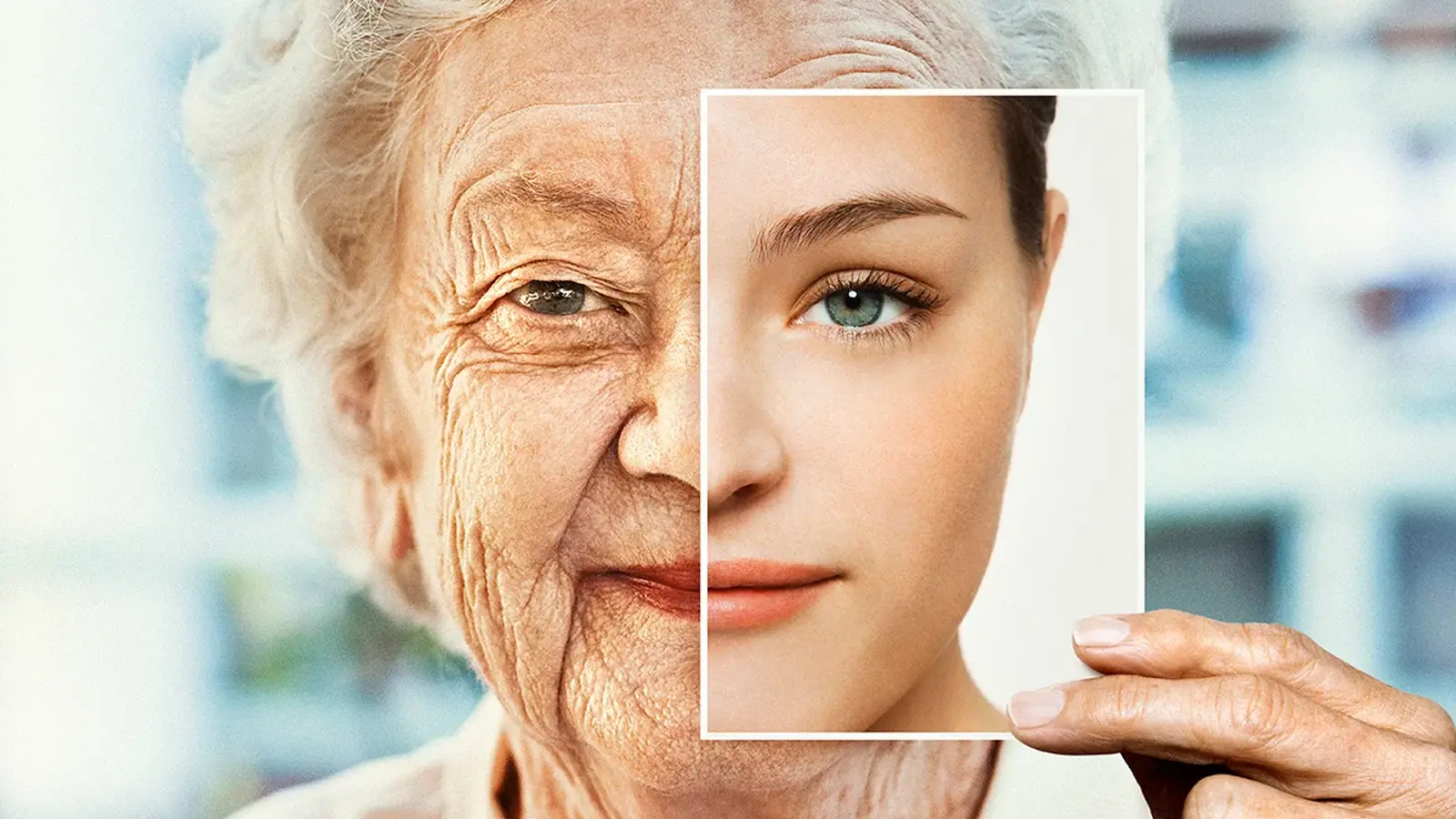
Imagine the body as a city where the nightly street sweepers slow down with age. Trash accumulates. Small problems become big ones. That image captures a striking discovery from a Stanford-led team: when immune clean-up crews falter, organs begin to show their years.
What the study found
In experiments with young and old mice, researchers identified a chain reaction that links immune clearance to tissue health. The short-lived white blood cells called neutrophils normally act as first responders to infection. They do their job and are promptly removed by tissue-resident macrophages, the resident janitors scattered through organs. But with age, those macrophages lose some of their efficiency. They stop clearing senescent neutrophils correctly, and the leftover cells start to damage surrounding tissue and drive chronic inflammation.
The team showed that a single molecular switch plays a major role in this failure: signaling through the EP2 receptor on macrophages. When EP2 activity rises with age, macrophages shift into a state that impairs their energy metabolism and clean-up function.

The researchers found that age-related declines in clearance of tissue-resident macrophages (TRMs) contributed to organ aging in mice.
Turning down EP2 signaling, either genetically or with drugs, restored many features of youthful macrophage behavior in older animals. As a result, senescent neutrophils were removed more effectively, inflammation patterns resembled those of younger mice, and measurable organ functions improved: memory, muscle strength, frailty scores, and cardiac performance all showed signs of recovery.
How the experiments were done
The team used a combination of genetic editing and pharmacology to reduce EP2 receptor activity selectively in tissue-resident macrophages. They measured cellular metabolism, tracked immune cell populations in organs, and assessed functional outcomes across multiple systems. Proteomic analysis of blood revealed 71 proteins whose levels shifted with age; disabling EP2 nudged 59 of those proteins back toward younger profiles. The liver stood out as a major source of these circulating changes, consistent with its role as the body’s metabolic hub.

Reducing EP2 activity restored aspects of youthful TRM function in aging mice.

To connect the mouse results with humans, the researchers reanalyzed existing human liver and heart tissue datasets. They found parallel trends: older human livers showed fewer tissue-resident macrophages, more neutrophils, and higher EP2 expression in the remaining macrophages. Older hearts had reduced TRMs and elevated EP2, though without the same neutrophil increase seen in mouse hearts.
Why this matters
Our bodies produce roughly 100 billion neutrophils daily. That is a huge housekeeping task. If clearance becomes inefficient, the burden grows and low-level, persistent inflammation can accelerate decline across systems. This study ties one molecular pathway to that process and suggests a concrete target for interventions aimed at healthier aging.
There are real caveats. These are preclinical results in mice, and humans are more complex. There are currently no approved drugs that selectively and safely block EP2 in people. Any therapeutic approach would need to spare beneficial EP2 signaling while preventing the age-related maladaptive rise.
Expert Insight
"This work reframes part of aging as a failure of cellular housekeeping rather than purely cumulative damage," says Dr. Mira Velasquez, a geroscience researcher and immunologist. "Targeting pathways that restore immune clearance could be a practical route to reduce chronic inflammation without suppressing immunity. But translation will require careful, organ-specific strategies and safety studies."
Broader implications and next steps
If EP2-targeting drugs can be developed and shown safe in humans, the implications stretch beyond a single disease. Chronic inflammation is a common thread in conditions from dementia to heart disease and sarcopenia. Improving macrophage metabolism and clearance could therefore have wide benefits for healthy lifespan.
Future research will need to answer critical questions: which organs benefit most, how long treatment effects last, and whether intermittent or continuous dosing is optimal. Researchers will also need to rule out unintended consequences, such as impaired infection response or metabolic disruption.
Conclusion
The Stanford-led study offers a clear mechanistic link between immune clearance failure and aging phenotypes in mice. By dialing down EP2 signaling in tissue-resident macrophages, the researchers reversed several markers of organ aging and improved function across multiple systems. The discovery opens a promising but challenging path toward therapies that help keep the body’s cellular janitors working efficiently as we get older.

The research has been published in Science.

“The cosmos has always fascinated me. I write about space missions, astronomy, and the technologies pushing humanity beyond Earth.”

Discussion
Leave a Comment
Comments (2)
Is this even true in humans? Mice look promising but EP2 blockers could mess with infection responses, right? sounds risky
wow didnt expect macrophages to be the culprits. exciting target, but big safety questions. if this pans out tho, huge.