
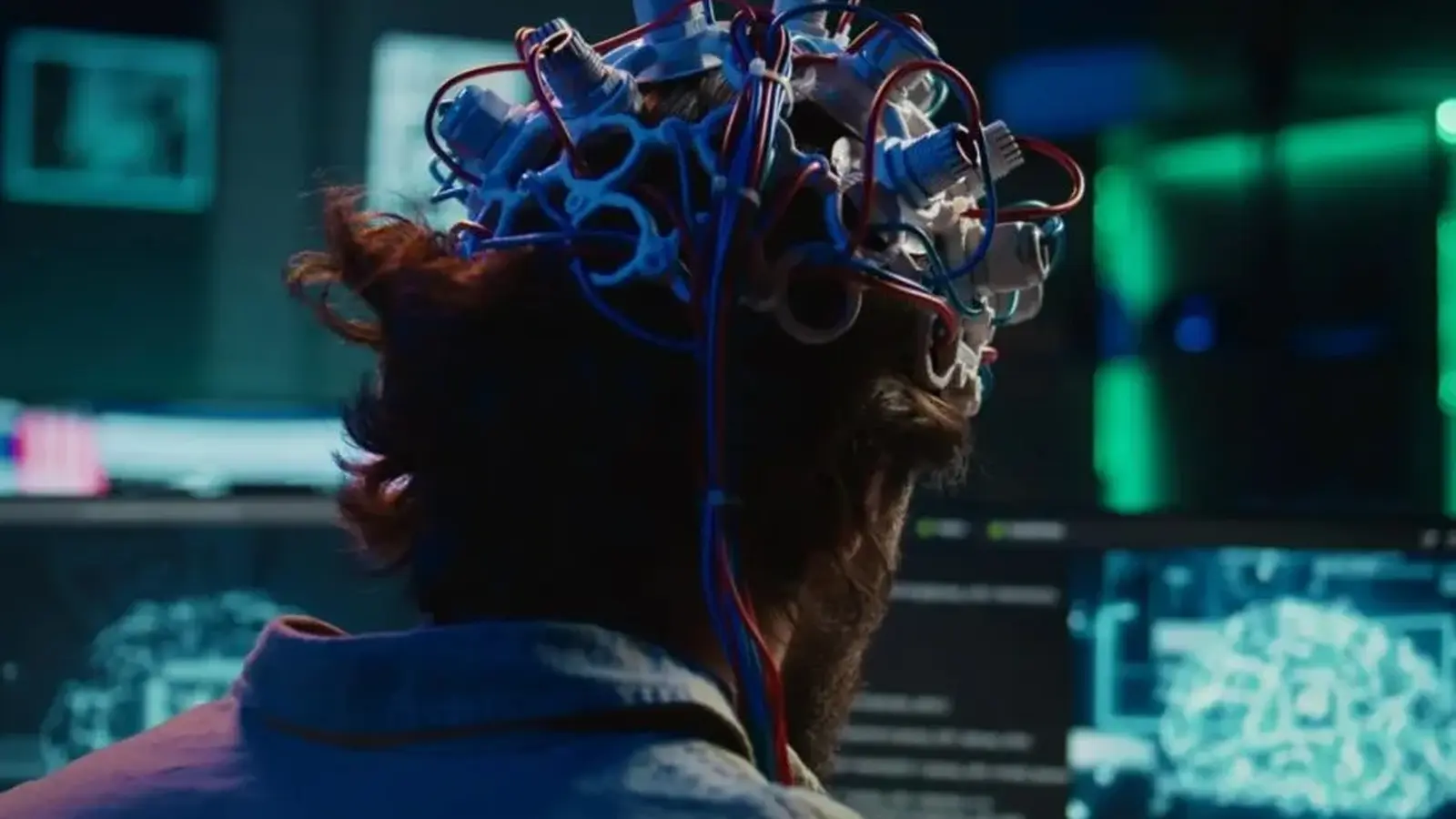
Can a beam of sound nudge a dormant brain back toward awareness? A small Chinese trial suggests it can, at least for some patients who have lingered for months in states of severely reduced consciousness.
Researchers working with institutions including the Shenzhen Institutes of Advanced Technology at the Chinese Academy of Sciences and Kunming Medical University tested pulsed, focused ultrasound as a noninvasive way to stimulate deep brain structures. The target: the thalamus, a central hub that relays sensory input and helps coordinate cortical networks essential to wakefulness.
Unlike brain–computer interfaces that read neural signals to drive external devices, this approach aims to modulate neuronal firing directly. Magnetic resonance imaging was used to map patient brains and guide the ultrasound beams, allowing energy to pass through the skull and converge on small, deep regions without surgery or implanted electrodes.
How the trial worked and what changed
The pilot study enrolled 24 patients with chronic disorders of consciousness. Each person received three 20-minute sessions per week over four weeks. The ultrasound was delivered in focused pulses designed to stimulate disrupted neural networks rather than to ablate tissue.
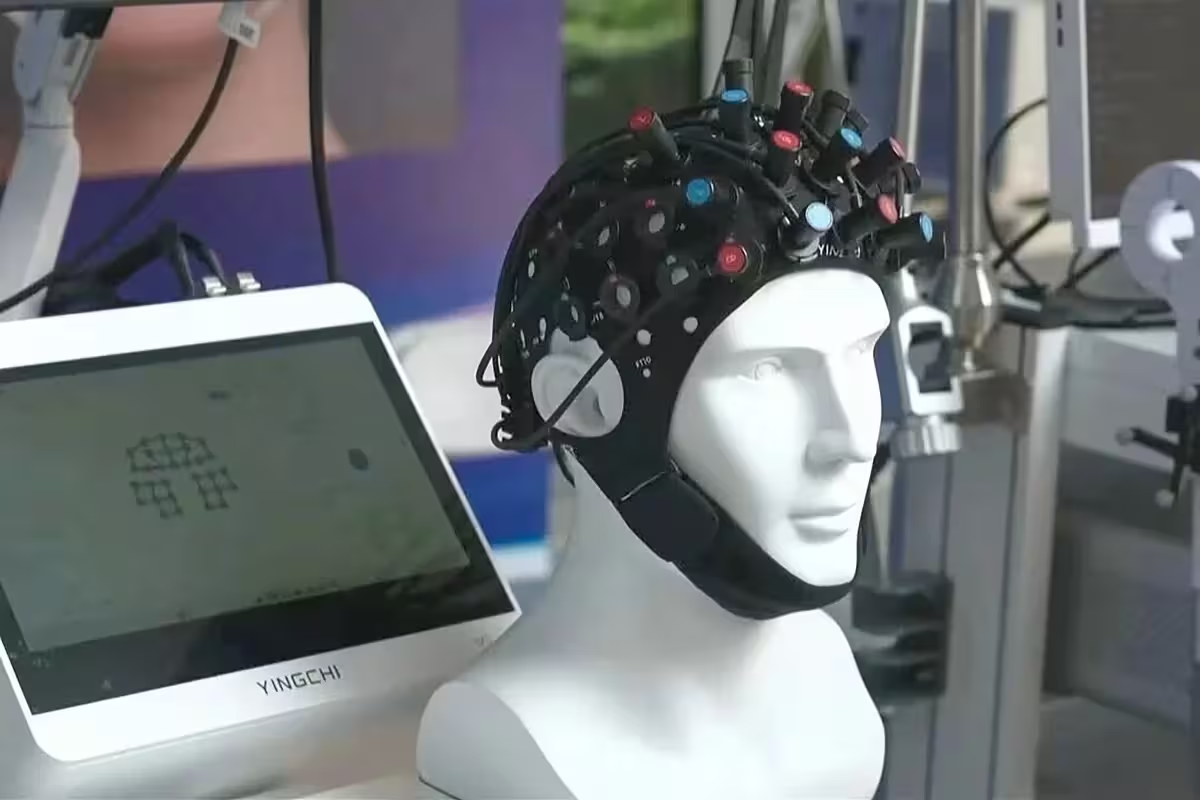
According to media reports and the team’s public statements, 13 of the 24 participants showed measurable improvements in behaviors linked to awareness after the treatment course. Improvements ranged from clearer responses to commands to renewed ability to speak, feed themselves, and walk with assistance in at least one reported case following a brain hemorrhage. That patient had been comatose for three months before therapy and began speaking and walking after roughly 30 days of combined ultrasound and rehabilitation, according to state broadcaster reports.
These outcomes do not yet prove a cure. Small samples can overstate effects. Still, the signal is notable because the method is noninvasive, repeatable, and targets circuits long considered inaccessible without surgery.
What mechanism might explain the changes? Focused ultrasound can alter neuronal excitability, blood flow, and the local microenvironment. Stimulating the thalamus could help reestablish communication between cortical networks and subcortical arousal centers, effectively amplifying weak or disordered signals that support conscious behavior.
Safety and reproducibility remain central questions. The trial reported no major surgical complications, but longer follow-up and larger, controlled studies are needed to separate treatment effects from spontaneous recovery or rehabilitation alone.
There are broader implications. A reliable, noninvasive way to upregulate deep-brain circuits would expand therapeutic options for patients with traumatic brain injury, stroke, and other neurological events that produce prolonged disorders of consciousness. It could also reshape ethical and clinical decision-making about long-term care and rehabilitation planning.
Researchers are cautious. The team described the results as preliminary and called for randomized trials to confirm efficacy and define which patients might benefit most. Independent replication will be crucial.
Sound is proving to be more than a probe or a scalpel; here, it acts like a finely tuned wake-up call. If further trials validate these findings, focused ultrasound could join a small but growing toolkit of neuromodulation methods that reach the brain’s deepest nodes without opening the skull.


“My work centers on sustainability, energy, and environmental science — examining how innovation can lead to a greener future.”

Discussion
Leave a Comment
Comments (2)
Is this even true? sounds like sci-fi lol. 13/24 improved, could be rehab or natural recovery. need randomized trial, pls replicate asap
wow, this actually gives me chills. a sound beam waking people? if true, huge deal. but small trial, still skeptical. curious how long effects last