
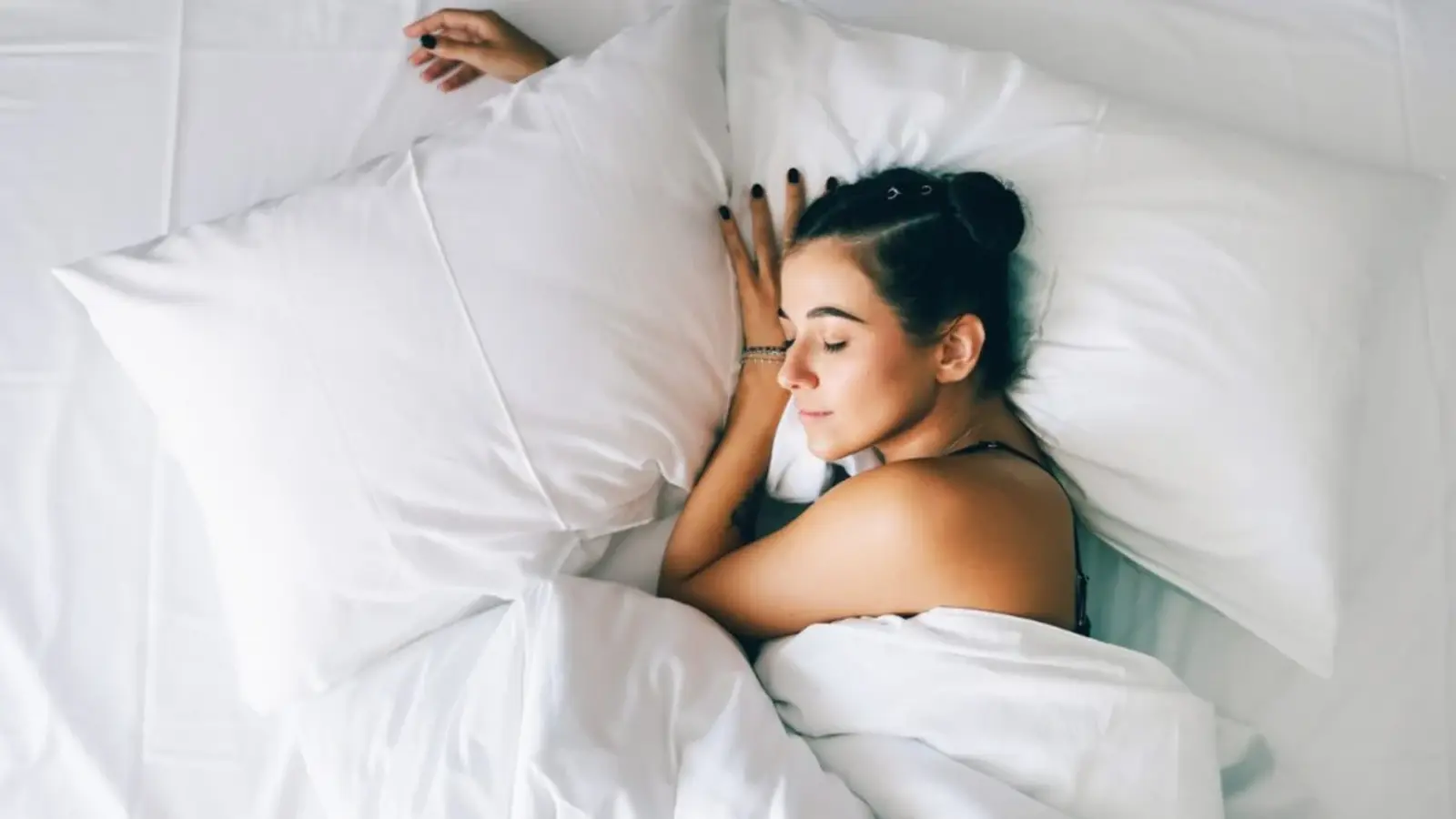
Imagine finishing your day not with a warm bath or a sleeping pill, but after a thirty-minute sequence that leaves your pulse humming and your breath slow and steady. You roll up your mat and fall asleep faster, and stay asleep longer. It sounds simple. But a recent synthesis of clinical trials suggests not all workouts help sleep equally—and one form, high-intensity yoga, appears to lead the pack.
Researchers at Harbin Sport University pooled results from 30 randomized controlled trials involving more than 2,500 adults with sleep disturbances across about a dozen countries. Their network meta-analysis, published in Sleep and Biological Rhythms, compared modes of exercise ranging from walking and aerobic training to tai chi, Pilates, resistance work, and various styles of yoga. The headline: twice-weekly sessions of high-intensity yoga, up to 30 minutes each, produced the strongest link with improved sleep quality.
What the trials actually tested
The studies in the review varied in design, but the signal was consistent enough to draw attention. Participants were adults reporting sleep problems—insomnia symptoms, fragmented sleep, or poor subjective sleep quality. Interventions lasted typically eight to ten weeks. Frequency and duration mattered: the optimal pattern identified by the authors was two high-intensity yoga sessions per week, each session lasting no more than half an hour, continued for at least two months.
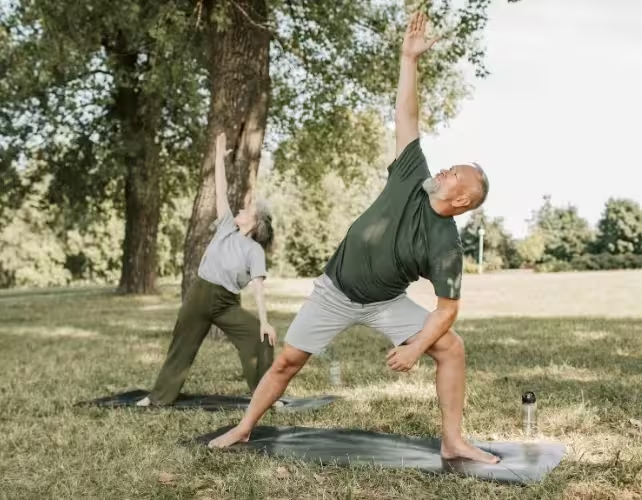
High-intensity yoga here does not mean gentle stretching. It refers to a faster flow of poses, often using the practitioner’s body weight as resistance. Think vigorous vinyasa or flows that emphasize strength and continuous movement. In the meta-analysis, that format outperformed walking and scored better than aerobic training, resistance exercises such as weight lifting or reformer Pilates, and traditional Chinese practices like tai chi and qi gong.
Why might that be? Several plausible mechanisms are on the table. Vigorous yoga elevates heart rate and taxes muscles, which can increase sleep drive. At the same time, coordinated breath control—an integral part of yoga—may stimulate the vagus nerve and promote parasympathetic activity, the body’s calm-and-repair state. Some studies even point to shifts in brainwave patterns after yoga, a change that could favor deeper sleep stages.
Nuance matters: not every result points the same way
These findings do not close the book. A 2023 review reached a different emphasis, suggesting that three weekly sessions of aerobic or moderate-intensity exercise could be most effective for some people. One study in that review still noted larger sleep benefits from yoga compared with other exercises. The divergence likely stems from differences in how researchers define intensity and class of exercise. Yoga is an awkward fit for simple categories: depending on the style, it can be aerobic, anaerobic, resistance-based, or some mix of all three.
Other promising approaches—tai chi, Pilates, and resistance training—also turn up repeatedly in sleep-research literature. In one 2025 trial, tai chi produced long-term gains comparable to cognitive behavioral therapy for insomnia (CBT-I). Short term, CBT-I reduced symptoms faster, but after 15 months participants practicing tai chi had largely caught up. The authors suggested tai chi’s accessibility and ease of integration into daily life may explain its durable benefits.

Practical takeaways for someone who struggles to sleep
If you’re trying to translate these findings into action, a few practical points help. First, exercise in general is consistently beneficial for sleep—so moving more is a good place to start. Second, if you already practice yoga, experimenting with a slightly faster, strength-oriented flow could yield extra benefit. Aim for two sessions a week, each under 30 minutes, and give the program at least eight weeks.
Third, pay attention to timing. Vigorous exercise too close to bedtime can be stimulating for some people. A late-afternoon or early-evening practice may hit the sweet spot: enough time to wind down physiologically while still benefiting from the sleep-promoting effects of muscle fatigue and breath regulation.
Expert Insight
Dr. Elena Márquez, a sleep physiologist and exercise researcher, offers a practical read: 'The interesting aspect of high-intensity yoga is the marriage of load and breath. You get resistance through bodyweight poses and simultaneously engage slow, controlled breathing patterns that anchor the nervous system. That combination seems to promote both sleep pressure and parasympathetic balance—two complementary pathways toward better rest.' She adds a caution: 'These results are promising, but we need larger, standardized trials that define intensity and measure objective sleep outcomes like polysomnography.'
What remains uncertain
Meta-analyses like this one are powerful for comparing multiple interventions, but they cannot explain precisely why a practice works. Heterogeneity across studies—differences in participant characteristics, exercise definition, adherence, and outcome measurement—means results should be interpreted carefully. The Harbin team themselves note the limited number of high-quality trials in specific subgroups and call for further rigorous research.
And, of course, there is no single remedy for everyone. Sleep problems are heterogeneous. Causes range from stress and circadian disruption to medical conditions and medications. Exercise is one lever among many. If insomnia or daytime impairment is affecting quality of life, clinicians recommend consulting a doctor or a sleep specialist to craft a tailored plan.
Conclusion
The current evidence points to high-intensity yoga as a particularly effective exercise for improving sleep among adults with sleep disturbances, when practiced twice weekly for short sessions over several weeks. The findings underscore a broader message: intensity and resistance—paired with breath control—may be key ingredients. Still, personal response varies, and additional large-scale, well-controlled trials are needed to confirm optimal prescriptions. For many people, though, rolling out a mat and trying a mindful, vigorous flow twice a week might be a small change with outsized effects on the night ahead.

“My work centers on sustainability, energy, and environmental science — examining how innovation can lead to a greener future.”

Discussion
Leave a Comment
Comments (3)
Used to run every night, swapped to 25min tougher yoga flows and my sleep improved after 6 weeks. But timing matters, evening classes can hype me up
is this even true? how did they define "high intensity" here, were these lab measured sleeps or just self reports? seems a bit fuzzy to me
wow didnt expect yoga to outdo jogging for sleep. tried a fast vinyasa once and actually slept like a rock. gonna try 2x/week, fingers crossed