
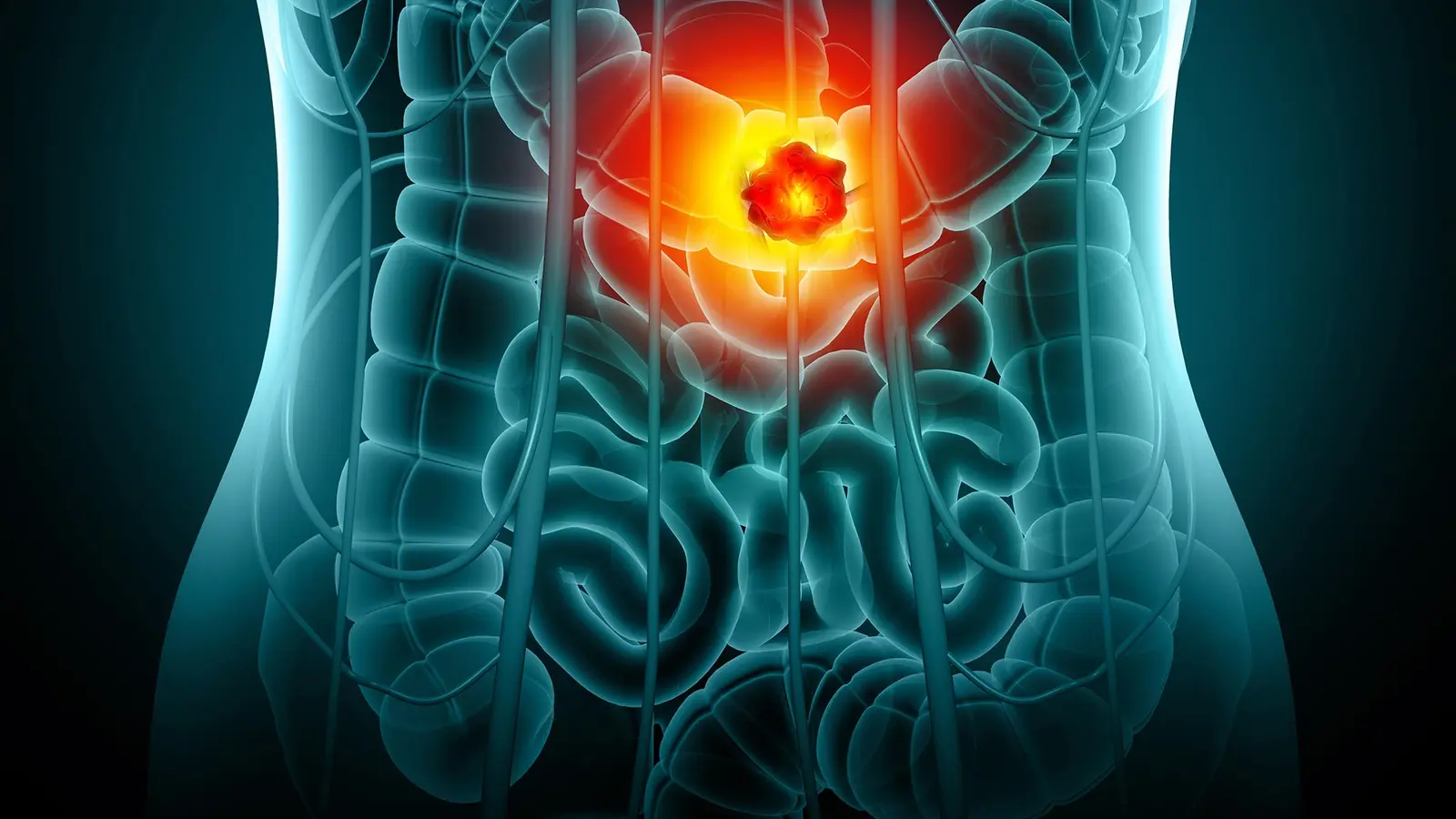
Imagine a tiny protein patrolling the gut, invisible to the naked eye but steadying the balance between normal renewal and runaway growth. That protein is immunoglobulin A, or IgA, and new experiments in mice suggest it may do more than fend off microbes: it could quietly prevent the earliest steps that lead to colon cancer.
An unexpected defender in the mucosal lining
IgA is abundant in the digestive tract. It coats bacteria, modulates immune responses, and keeps the microbiome in equilibrium. But scientists at Rockefeller University report a surprising addition to IgA’s résumé: controlling how often intestinal epithelial cells divide. The team found that mice genetically engineered to lack IgA developed more than twice as many colon tumors as otherwise identical mice with normal IgA levels. When researchers gave IgA back by mouth, the excess tumor risk disappeared.
Those results, published in Nature, help explain a long-observed clinical link: people with selective IgA deficiency, a condition affecting roughly 1 in 500 Americans, show an elevated risk of colorectal cancer. The mouse experiments point to a concrete mechanism tying antibody, microbes, and epithelial behavior together.
How microbes, a receptor, and IgA interact
To find the mechanism, the team compared littermate mice with and without IgA, ensuring both groups shared diet and microbial exposures. Differences in tumor formation turned up across multiple colon-cancer models, and crucially, alterations in genes that regulate cell division appeared before any visible tumor. That timing suggests IgA affects pre-tumor biology rather than responding to established cancer.
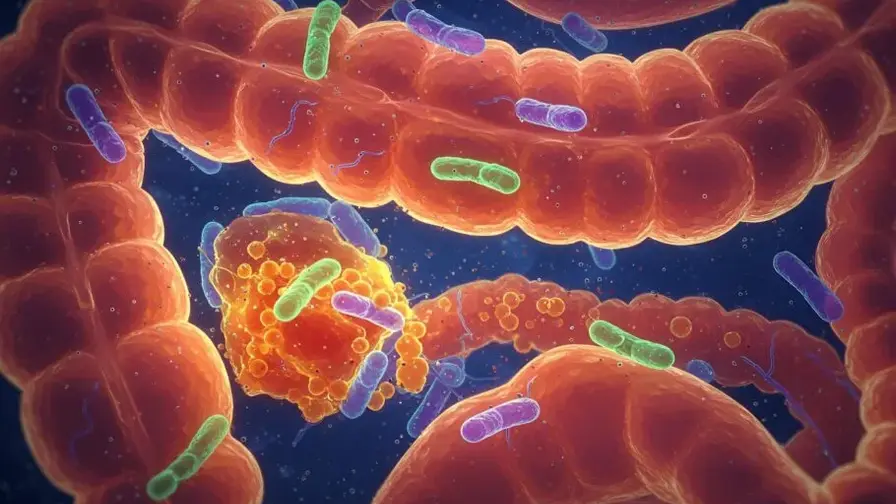
The molecular culprit is a receptor called DMBT1, located on the surface of intestinal epithelial cells. In the presence of certain gut bacteria, DMBT1 promotes cell proliferation as part of a normal response to microbial cues. IgA binds in that context and acts to dampen the signal, effectively putting the brakes on epithelial renewal. Without IgA, the DMBT1-driven response can run too long, producing excess cell divisions that increase the chance a malignant mutation will take hold.
Further evidence came from experiments in which researchers removed gut bacteria or blocked DMBT1 signaling; both interventions prevented the uncontrolled growth seen in IgA-lacking animals. That points to a three-way interaction: microbiota stimulate epithelial receptors, DMBT1 transmits a proliferative signal, and IgA tempers that signal to preserve tissue homeostasis.
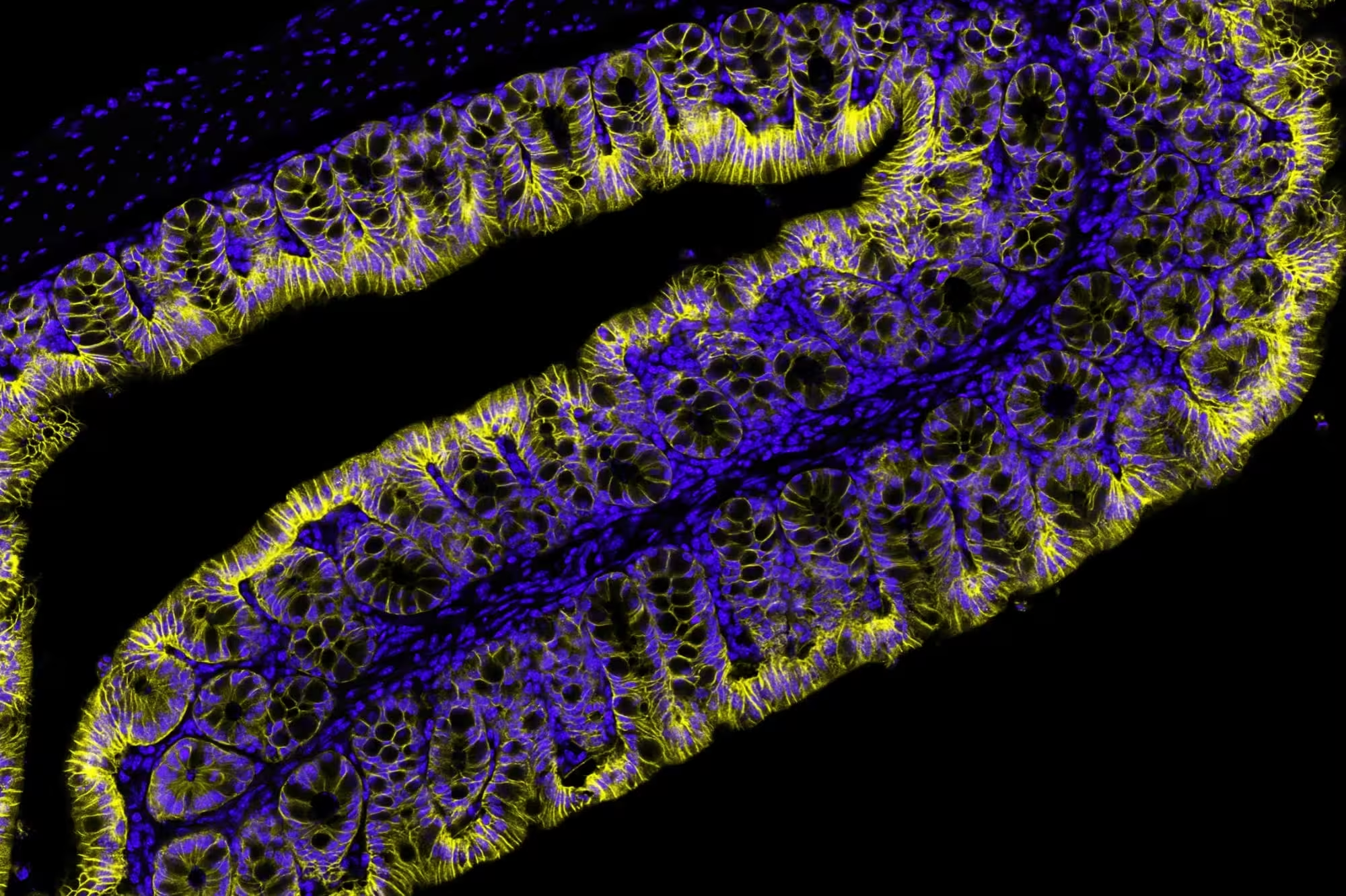
Confocal microscopy image of a proximal colon fold (mouse), showing EPCAM for epithelial cells (yellow) and DAPI-stained nuclei (violet).
Why this matters for people
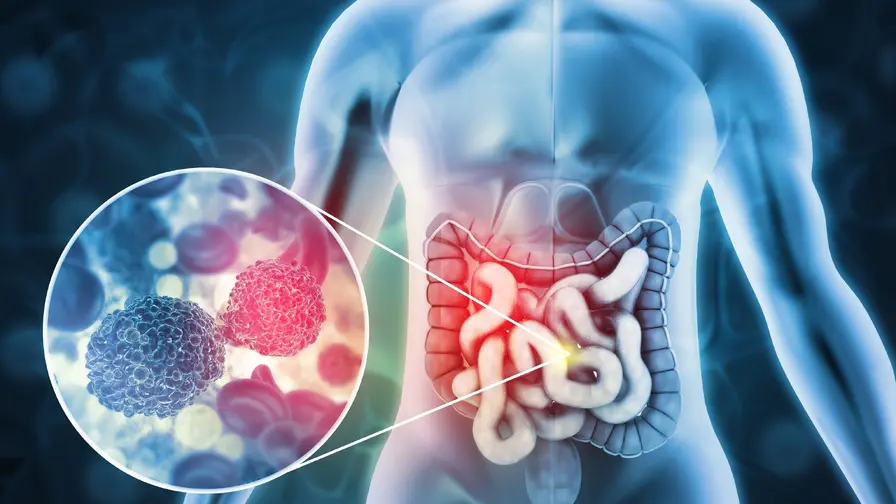
Translating mouse biology to humans always requires caution. Still, the study suggests two plausible prevention strategies worth exploring. One is to boost mucosal IgA levels or activity, especially in patients known to be IgA deficient or in people with a history of colorectal polyps, which raise future cancer risk. The other is microbiome-based: identify bacterial strains that provoke protective IgA responses or those that overdrive DMBT1, then design interventions to favor the former.
Gregory Donaldson, who led parts of the study as a Rockefeller postdoc and now works at UCLA, emphasizes nuance. Some microbes may increase cancer risk, others may be protective, and IgA appears to shape those effects. “If we can learn which bacteria nudge epithelial cells toward safe renewal, we might develop targeted probiotics or dietary strategies that lower long-term risk,” he says.
Expert Insight
"This work reframes how we think about cancer prevention," notes Dr. Elena Faraday, a gastroenterology researcher who was not involved in the study. "Rather than waiting to eliminate a tumor, we can consider strengthening natural barriers that keep cell proliferation in a healthy range. That shifts the research agenda toward mucosal immunity and the microbiome."
Key takeaway: Interactions between IgA, gut microbes, and the receptor DMBT1 help restrain cell division in the colon; losing that restraint raises tumor risk in mice.
Paths forward and limitations
Potential clinical approaches include oral IgA therapies, vaccines that elicit protective mucosal antibodies, or designer probiotics that favor beneficial IgA responses. Each path faces obstacles: delivering functional IgA to the gut is technically challenging, immune responses differ among individuals, and the human microbiome is more complex than that of laboratory mice.
Importantly, the study does not yet provide a proven preventive treatment for people. It does, however, offer a testable framework. By measuring IgA levels, profiling DMBT1 activity, and mapping microbial communities in patients, clinicians and researchers can begin to identify who might benefit most from targeted interventions.
Long-term, the findings widen the field of cancer prevention beyond genetic screening and tumor removal. They invite a strategy based on fortifying the mucosal ecosystem so that epithelial cells renew at the right pace and in response to the right cues.
Conclusion
The study from Rockefeller University adds a new layer to our understanding of colorectal cancer risk. IgA is more than a microbial sentinel; it is a modulator of tissue dynamics. If future research confirms similar mechanisms in humans, preventive medicine could incorporate ways to restore or mimic IgA’s regulatory role, shifting some cancer-fighting effort upstream of tumor formation.

“My work centers on sustainability, energy, and environmental science — examining how innovation can lead to a greener future.”

Discussion
Leave a Comment
Comments
No comments yet. Be the first.