

She runs at dawn and again at dusk. Sleep is short. Motivation is brittle. Results stall. For many athletes and committed exercisers, that familiar downward slide—less energy, worse sleep, nagging fatigue—feels personal. New research suggests there may be a biochemical reason why: excessive, poorly recovered training can push dopamine regulation in the brain out of balance.
How the experiment mapped strain onto brain chemistry
Researchers set out to model what coaches and sports physicians call overtraining syndrome. They used two groups of mice. One group endured a single, exhaustive treadmill session—to mimic an intense workout. The other followed a progressive, eight-week regimen that ramped up in difficulty and culminated in twice-daily training sessions with only four hours of rest between them.
What the scientists measured
After the exercise protocols ended, investigators examined the hippocampus, a brain region involved in memory and emotional regulation. They measured levels of dopamine and serotonin and tracked proteins tied to neurotransmitter production, including tyrosine hydroxylase, the enzyme that helps synthesize dopamine.
The results were striking. A single exhaustive bout produced a short-lived spike in dopamine, a predictable response to acute stress and exertion. But the mice subjected to repeated heavy training showed sustained biochemical changes: dopamine and tyrosine hydroxylase levels remained elevated for up to 48 hours into recovery. Serotonin levels, by contrast, showed no significant change.

Why elevated dopamine during recovery matters
Most people associate dopamine with reward and motivation. That is only part of the story. Dopamine also helps regulate arousal and wakefulness. If dopamine remains abnormally high when the body should be resting, the brain’s balance of activity can shift. The study authors suggest this may help explain why some overtrained athletes experience insomnia, heightened anxiety, and persistent fatigue even when they are not exercising.

That hypothesis remains tentative. The mice in this study were not tested directly for sleep quality or anxiety-like behaviors, and animal models do not map onto humans in a simple way. Still, the biochemical signature—a prolonged increase in an enzyme that drives dopamine production—provides a plausible mechanism linking intense, inadequately recovered training to disrupted sleep and chronic tiredness.
Practical takeaways for athletes and coaches
Training harder is not always training smarter. Recovery is not optional. Physiological adaptation depends on cycles of strain and repair; skip the repair and the benefit can reverse. Signs of overtraining include sustained performance decline, loss of appetite, lingering muscle pain, and an overwhelming sense of fatigue. Monitoring rest, sleep quality, and mood is as important as counting kilometers or lifting sets.
Scientists are now pursuing biomarkers that could give early warning when beneficial training crosses into harmful territory. An international project referenced by the study aims to identify biochemical flags that signal when exercise loads exceed an individual's recovery capacity. The goal: actionable diagnostics so athletes can adjust training before symptoms deepen.
Expert Insight
"The brain is not insulated from the effects of chronic physical stress," said Dr. Amelia Hart, a neurophysiologist who studies activity-dependent changes in neural circuits. "What this study shows is a clear biochemical trace of repeated strain: the system that helps you stay alert and motivated can become persistently elevated when it should be winding down. That misalignment likely contributes to poor sleep and the sense of relentless fatigue athletes report."
Dr. Hart added that translating mice data to human recommendations requires careful clinical work, but the message for trainers and athletes is immediate: prioritize recovery.
Conclusion
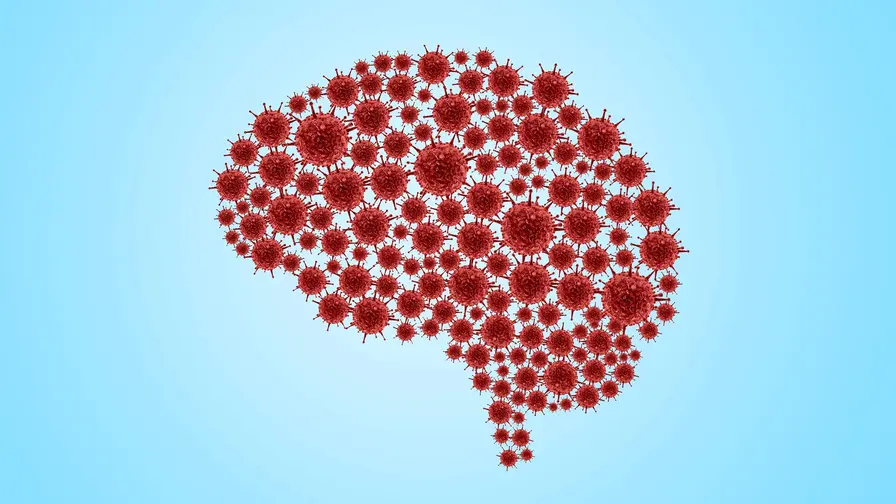
This study published in the journal Neuroscience does not condemn high-intensity sport. Rather, it highlights a counterintuitive truth: more training without sufficient rest can alter brain chemistry in ways that undermine both performance and wellbeing. Elevated dopamine and tyrosine hydroxylase in the hippocampus are biochemical clues that intense, repeated exercise can leave a mark on the central nervous system. Future research will need to confirm whether the same patterns occur in people and whether these markers can guide safer, more effective training plans. Until then, coaches and athletes should treat recovery as an active and measurable component of performance, not an afterthought.

“My work centers on sustainability, energy, and environmental science — examining how innovation can lead to a greener future.”

Discussion
Leave a Comment
Comments (2)
Is this even true tho? mice -> humans is a big leap, I'd want human biomarkers before changing my whole plan. still, good to watch recovery closely.
whoa this explains a lot. I pushed so hard last season, sleep gone, anxiety up — felt like me failing. maybe it wasnt just willpower, gonna rest more