
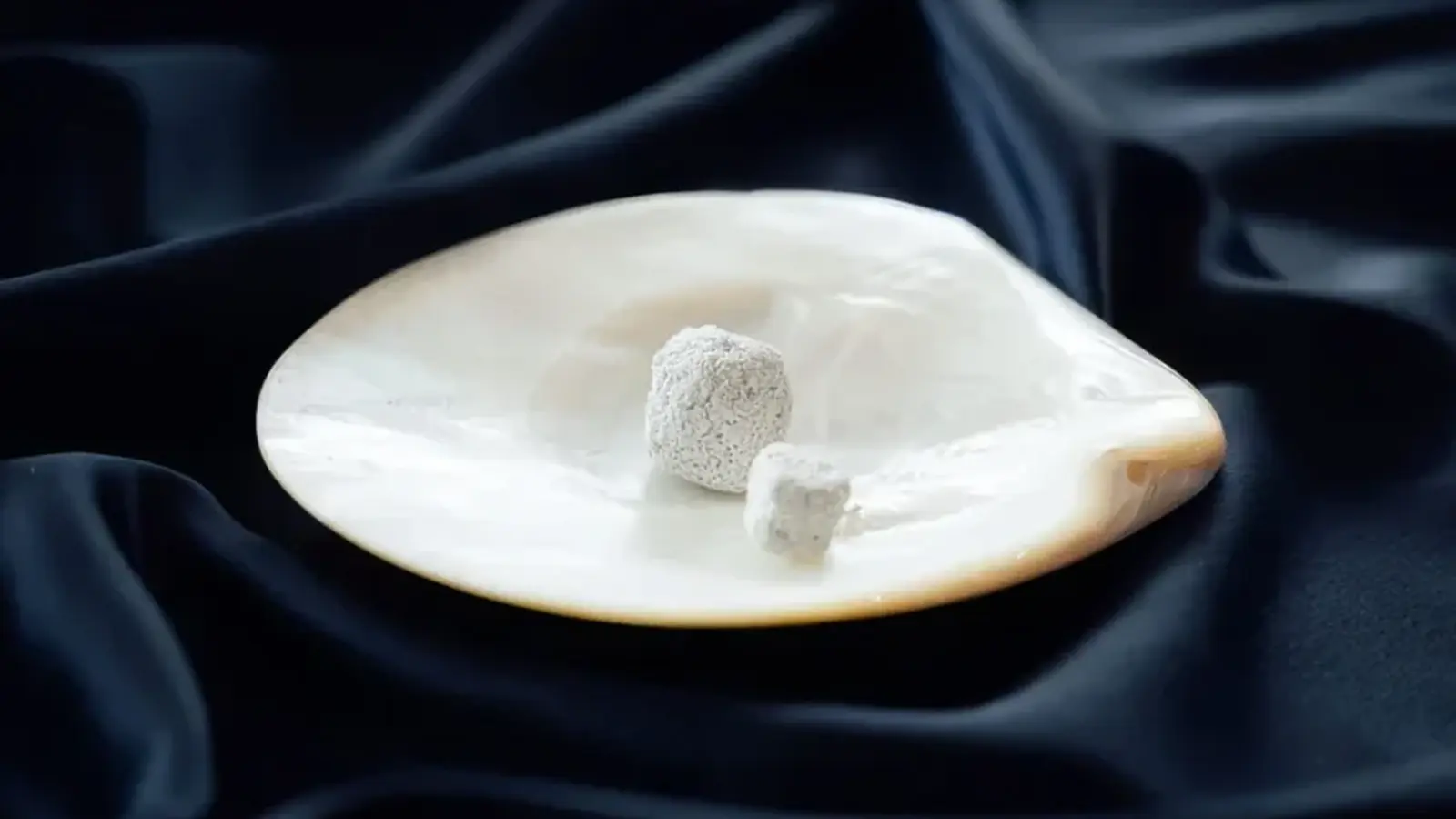
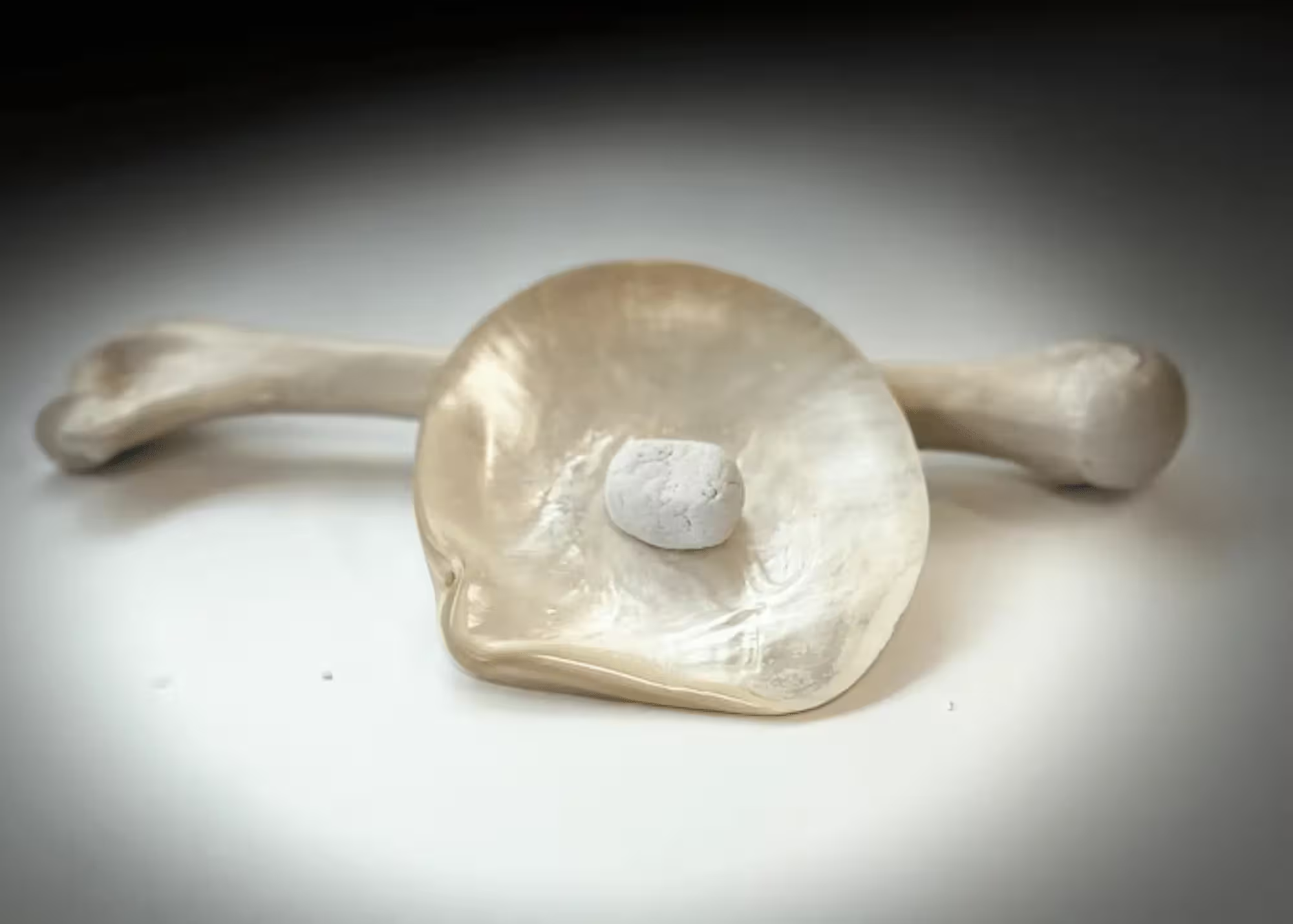
The iridescent inner lining of pearl oysters, long prized for jewelry, has a new claim to fame: helping human bones heal. FDA clearance this year has opened the door for a material called PearlBone Putty 1600, a bone-repair substitute derived from the nacre of Pinctada maxima shells. It is not a miracle cure, but it is a surprising bridge between aquaculture waste and regenerative medicine.
From shell to scaffold: how the material is made
Scientists led by Minghao Zheng at the University of Western Australia developed a chemical process that converts the shell’s calcium carbonate matrix into a calcium-phosphate mineral closely related to the mineral component of human bone. What takes geological time in nature the team compresses into roughly a day. The procedure begins by powdering the mother-of-pearl layer, then reacting that powder with phosphate salts and water to produce a malleable putty that will harden in situ.
Key steps at a glance
- Harvest and powder nacre from Pinctada maxima shells.
- Chemically convert calcium carbonate into calcium phosphate using phosphate salts.
- Mix with water to form a putty that can be placed into bone defects and that mineralizes further as it sets.
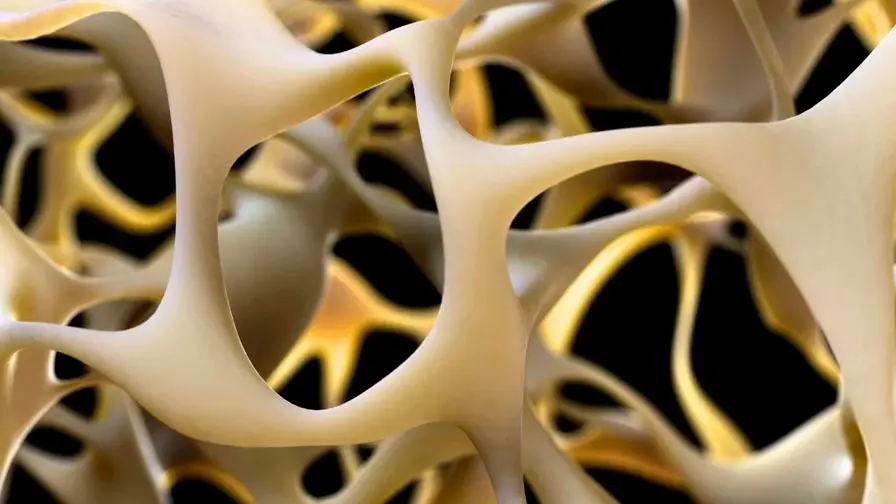
The resulting material provides a surface that encourages bone cells to attach and proliferate. Over time the implant is resorbed and replaced by native bone. That pattern—serve as scaffold, then yield to new tissue—is a desirable trait in many bone graft substitutes.
Clinical role and limitations
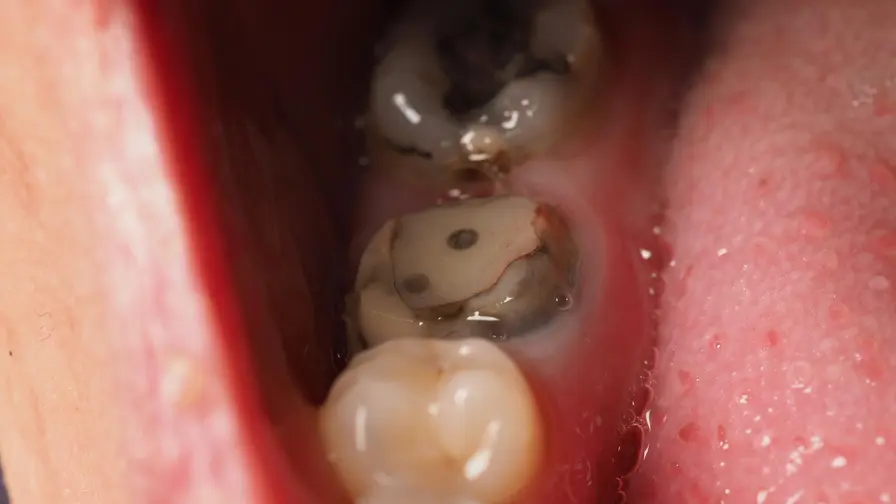
PearlBone Putty 1600 is cleared by the US Food and Drug Administration for use as a bone void filler. In plain terms, surgeons can place it into gaps left by injury or surgery where bone volume is needed. The FDA clearance does not claim the putty is sufficient as a primary structural support. Expect surgeons to pair it with hardware such as plates and screws when mechanical stability is required.
Why not use it as the sole stabilizer? The answer is mechanical. Synthetic or biological fillers often lack the immediate load-bearing strength of solid bone or structural grafts. They excel at promoting regeneration but usually need additional fixation in weight-bearing sites. Still, for non-structural voids, or as a component of reconstructive procedures, the material offers real benefits: it reduces the need to harvest autograft from a patient’s own body, a step that can add pain, longer surgery, and complications at the donor site.
Environmental and industry implications
One subtle advantage is sustainability. The shells used in this product come from the pearl-farming industry as a byproduct. Rather than discarding these shells, the process upcycles them into medical-grade biomaterial. That link between aquaculture and biotech reduces waste and creates additional value from an established industry.
Commercialization is still pending. The biotech company Marine Biomedical, which holds the technology, must scale manufacturing and work with partners to bring the putty to market. Regulatory clearance is a major milestone, but production, quality control, and distribution are the next hurdles.
What this means for patients and surgeons
Surgeons may welcome a new option that combines biocompatibility with an ability to guide natural bone formation. Patients stand to avoid a second surgical site and the pain that comes with autograft harvest. However, clinicians will weigh the putty’s regenerative profile against each case’s structural demands and long-term outcomes documented in postmarket studies.
"We designed the conversion to yield a mineral environment familiar to bone cells," says Minghao Zheng, the lead developer. "The idea was to make a scaffold that the body recognizes, then lets the body take over the repair."
Expert Insight
Dr. Elena Martín, an orthopedic biomaterials researcher not involved with the study, notes: "Materials that combine a biologically friendly surface with predictable resorption are exactly what the field needs. Pearl-based putties are promising, particularly when they replace painful autograft procedures. But long-term comparative data are essential before broad adoption for load-bearing reconstructions."
PearlBone Putty 1600 is a reminder that sometimes solutions to modern medical problems come from unexpected natural architectures. The nacre that evolved to protect mollusks now plays a new role: a temporary home for growing bone. How widely surgeons will use it depends on clinical outcomes, manufacturing scale-up, and how the material performs under real-world surgical conditions.

“The cosmos has always fascinated me. I write about space missions, astronomy, and the technologies pushing humanity beyond Earth.”

Discussion
Leave a Comment
Comments (2)
Sounds promising, but is it even strong enough for load bearing sites? FDA ok for voids fine, tho surgeons will need clear guidelines and longterm followup
Wow pearl shells turned into bone putty? wild idea, kinda poetic. If it really cuts out autograft pain that's massive, but gotta see long‑term data, and scale up..