
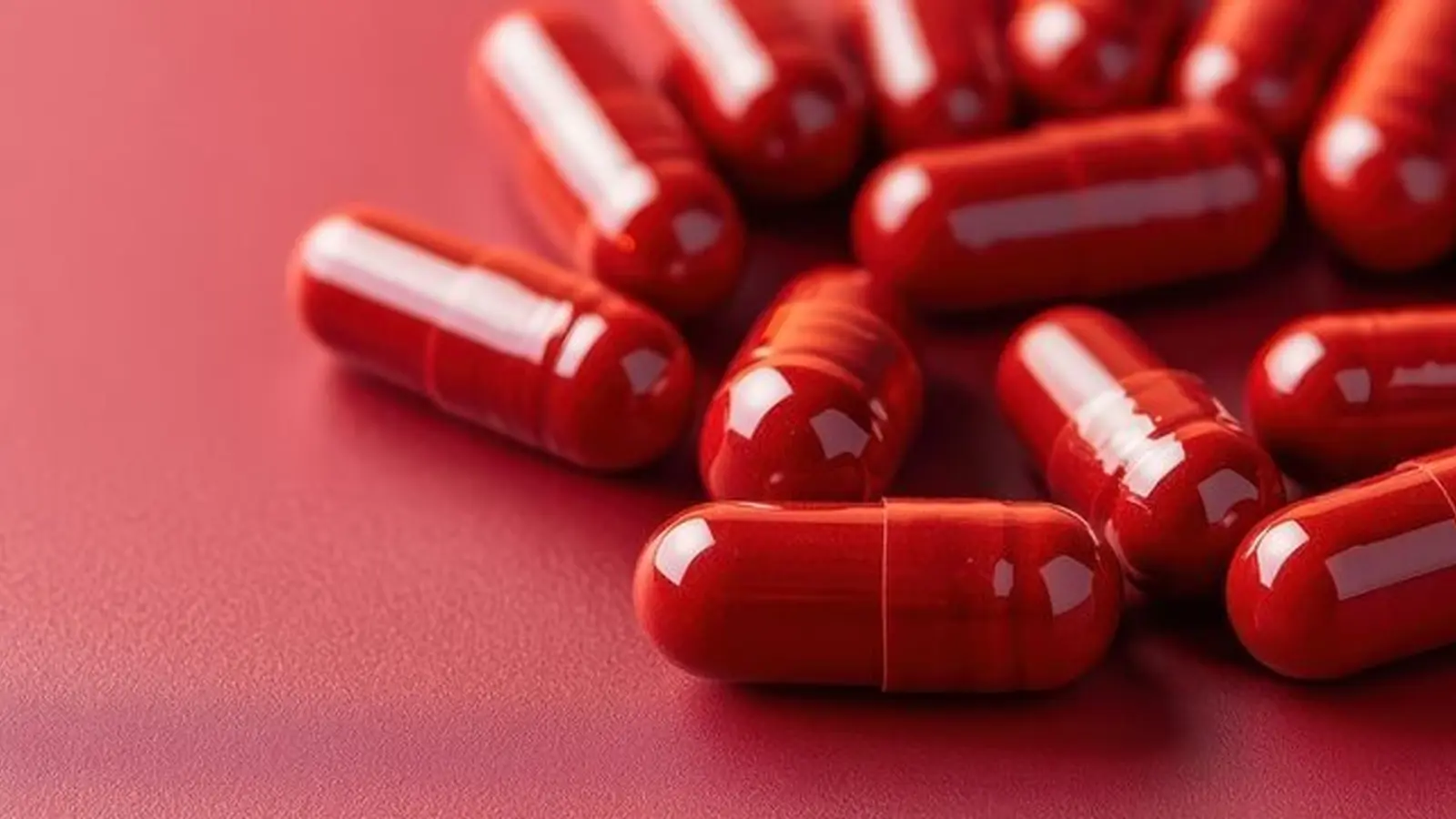
Imagine a single, inexpensive tablet preventing a health problem that affects hundreds of millions of children. It sounds simple. The reality is more nuanced.
A sweeping review of more than 50,000 children and adolescents finds that daily iron supplements reliably lower the chance of iron deficiency anemia, yet they do not appear to boost growth or shield kids from routine infections. The work, synthesizing 114 trials, offers clear wins and stubborn gaps for policymakers and clinicians alike.
What the review actually showed
Researchers from Cornell University's Joan Klein Jacobs Center for Precision Nutrition and Health led the analysis, which pooled trials from diverse settings, many in Asia and several focused on children under five. The strongest, most consistent signal: daily iron given alone probably reduces iron deficiency anemia compared with placebo or no treatment. When iron was paired with folic acid, protection looked similar, although that conclusion rests on far fewer studies. Multi-nutrient preparations that include iron may also lower anemia risk, but the certainty across these combinations varies.
Why does iron matter? Iron is a core ingredient in hemoglobin, the molecule in red blood cells that carries oxygen from lungs to tissues. Without enough iron, hemoglobin synthesis falters and anemia develops. Clinically, that can mean fatigue, poor concentration, and in severe cases, developmental setbacks.
Still, reduced anemia did not translate into measurable gains in height or weight for the children in the trials, nor did it lower rates of cough, fever, or respiratory infections. Short-term lab improvements were clear. Broader health effects were not.
Costs, side effects, and unanswered questions
No medical intervention is risk-free. The review documents some predictable downsides alongside benefits. The most visible effect is stool discoloration, an aesthetic but harmless change that can alarm caregivers. Vomiting and other gastrointestinal complaints were not consistently increased with iron alone, but when iron was included in multi-vitamin formulas, vomiting was probably more common than in the same formulas without iron.
Common adverse effects
- Stool discoloration, frequently reported
- Vomiting, more likely with vitamin mixes that include iron
- Diarrhea and constipation, mixed or uncertain evidence
The certainty of evidence for several outcomes ranged from moderate to very low, according to the review authors. That means while anemia reduction seems real, the jury is still out on many longer-term and population-specific consequences. The World Health Organization last highlighted these evidence gaps in 2016, and this larger synthesis narrows some uncertainties but leaves others open.

Crucially, the reviewers caution against blanket supplementation. Routine daily iron for every child is not the recommendation. Decisions should be tailored to individual nutritional needs, local prevalence of iron deficiency and anemia, and the exact supplement formulation. In places where iron deficiency is common, a targeted supplementation policy remains a pragmatic tool in public health.
Implications for public health and practice
From a programmatic standpoint, the findings strengthen the case for iron supplementation as a targeted strategy to prevent iron deficiency anemia in populations with a high burden. They also underline the importance of monitoring and follow-up. Implementers need to balance the clear hematologic benefits against side effects that can reduce adherence and against the limited evidence for broader developmental or infectious disease outcomes.
Nutrition remains a landscape of trade-offs. Fortifying staple foods, promoting dietary diversity, and improving maternal and infant health are complementary approaches that can reduce reliance on pills alone. Iron supplementation is an effective tool when used where needed, not a universal cure.
Expert Insight
Dr Elena Mora, a pediatric nutrition specialist at a European university, reflects on the practical side: 'In clinical settings we see lab values improve quickly with iron. Parents notice more energy in their children. But program designers must think beyond hemoglobin. Adherence, supply chain reliability, and clear counseling about side effects determine whether a supplement campaign succeeds.' She adds, 'Policy should combine targeted supplementation with food-based strategies so gains are sustainable.'
This expert perspective echoes the review's pragmatic tone: iron works for its main purpose, yet broader expectations should be tempered.
Conclusion
Daily iron supplements do what they are designed to do: reduce iron deficiency and the anemia that follows. The evidence is strongest for hematologic outcomes, weaker for growth and infection prevention, and mixed on gastrointestinal side effects depending on formulation. For clinicians and health planners, the message is clear. When iron deficiency is common, daily supplementation is a useful, evidence-backed intervention. But it is not a magic bullet. Context matters — local prevalence, product formulation, and strategies to maintain adherence will determine real-world impact.
For parents and practitioners looking for next steps: screen where feasible, offer iron when deficiency is likely, explain expected side effects, and embed supplementation within broader nutrition and public health efforts that build lasting resilience.

“My work centers on sustainability, energy, and environmental science — examining how innovation can lead to a greener future.”

Discussion
Leave a Comment
Comments (2)
Is the lack of growth effect just short trials? what about cognition or school performance longterm? if that's real then...
Wow, didn't expect iron pills to clearly cut anemia. Still, no growth boost? Hmm. Side effects matter, esp vomiting with multivitamins. Parents need clear counseling and supply plans.