
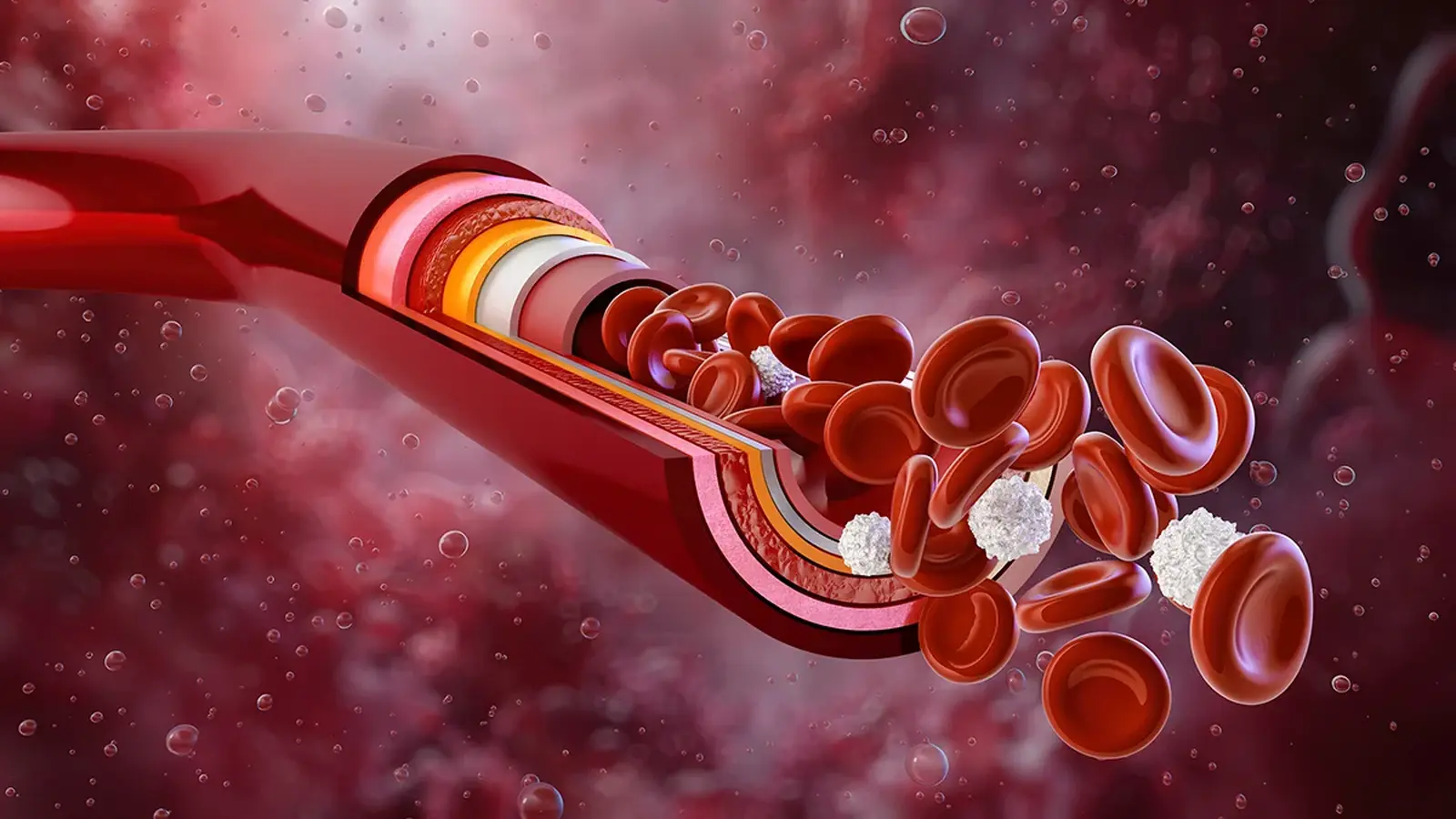
High blood pressure is usually described as a story of nerves and hormones. Doctors point to the sympathetic nervous system, the body’s rapid-response system, and to the renin-angiotensin-aldosterone system, the hormonal network that manages blood volume and vessel tone. But imagine a third player quietly tugging at the controls: a biological mechanism that tells the immune system when to stop fighting. Recent experiments in mice suggest this off-switch for inflammation may do more than calm immunity. It might repair organs and ease blood pressure in ways current drugs do not.
How the immune system’s off-switch came into view
Researchers in Australia and Singapore have turned attention to so-called inflammation-resolution pathways, the biochemical signals that instruct immune cells to stand down after a threat is handled. When those pathways fail or are sluggish, low-grade chronic inflammation can persist. That prolonged immune activity does damage over time—scarring in the kidneys, stiffening of arteries, fibrosis in the heart—and it connects with both neural and hormonal drivers of hypertension.
In experiments published in Communications Biology, scientists tested an experimental molecule, known as compound 17b, that does not blunt inflammation the way broad-spectrum anti-inflammatory drugs do. Instead of suppressing immune responses wholesale, 17b acts on formyl peptide receptors, or FPRs. Think of FPRs as cellular toggle switches: when flipped, they tell immune and tissue cells that the emergency is over. The result is not immune paralysis but a controlled winding down of inflammation that allows tissue repair to proceed.
The effects in mouse models were notable. Blood pressure fell modestly. More striking were changes in tissue structure: the main aorta became less stiff, and scar tissue, or fibrosis, in the heart and kidneys diminished. Kidney scarring in treated mice was visibly reduced in the study images. These outcomes hint at two possibilities. One, compound 17b can lower blood pressure. Two, and perhaps more importantly, it may directly reverse organ damage created by chronic inflammation, independent of its impact on the numbers on a blood pressure monitor.

The compound reduced kidney scarring in mice with hypertension (bottom two panels).
What makes this approach different from current therapies
Most existing antihypertensive drugs aim at measurable targets: lower systolic or diastolic pressures and protect organs by keeping those numbers down. Anti-inflammatory medications try to tamp down immunity but can overshoot, leaving patients vulnerable to infection and sometimes worsening blood pressure. Compound 17b follows a third path. By engaging FPRs, it nudges the immune system back toward balance rather than shutting it off. The downstream effect is tissue-protective and reparative, and that could broaden clinical utility beyond traditional blood pressure control.
It is worth stressing the limits. All results so far are in mice. Translating immune-modulating therapies from rodents to humans is notoriously difficult. Dosing, safety, and long-term consequences are unknown. There are also mechanistic questions to resolve: which cell types are most responsive to FPR activation in human cardiovascular and renal systems, and how might this interact with existing medications that patients already take for hypertension or other conditions?
Still, the idea that targeting inflammation-resolution pathways could reduce organ fibrosis and restore vascular elasticity offers an appealing complement to current strategies. For patients who cannot tolerate first-line antihypertensives, or for whom organ damage persists despite controlled blood pressure, a drug that promotes repair could change care paradigms.
Expert Insight
"We often treat hypertension as a numbers problem, but the tissue consequences matter just as much," says Dr. Eleanor Park, a clinical investigator in cardiovascular immunology. "If we can promote natural resolution of inflammation without compromising host defenses, we might preserve or even restore organ function in ways conventional therapy does not. That could reshape how we think about long term care for patients with chronic high blood pressure."
Dr. Park’s comment underlines a practical nuance: clinical benefit may come from combining therapies, not replacing one with another. FPR agonists like compound 17b could be adjuncts that help heal the cardiovascular-renal axis while established drugs keep pressures in range.
Conclusion
The discovery of inflammation-resolution pathways as potential regulators of blood pressure adds a new layer to our understanding of hypertension. Targeting these pathways with precision agents such as compound 17b produced modest blood pressure reductions in mice while delivering notable tissue repair. That dual action—modest antihypertensive effect plus direct reversal of organ damage—is the most compelling finding. The path from mouse to human will require careful safety testing and mechanistic study, but the concept opens a fresh avenue for treating a condition that affects billions worldwide.
Researchers emphasize caution and promise in equal measure. The next steps include mapping FPR activity in human tissues, testing for adverse effects, and determining whether resolution-focused drugs complement or conflict with current therapies. For now, the work reorients part of the hypertension conversation from pure pressure control to the biology of repair.

“My work centers on sustainability, energy, and environmental science — examining how innovation can lead to a greener future.”

Discussion
Leave a Comment
Comments (2)
Is this even true? FPR agonists sound promising but how long till human trials, side effects? also, will it play nice with ACE inhibitors or clash?
wow, wild idea. an immune off switch helping vessels and kidneys? if that's real this could change things. mice first tho, cautious hype pls..