
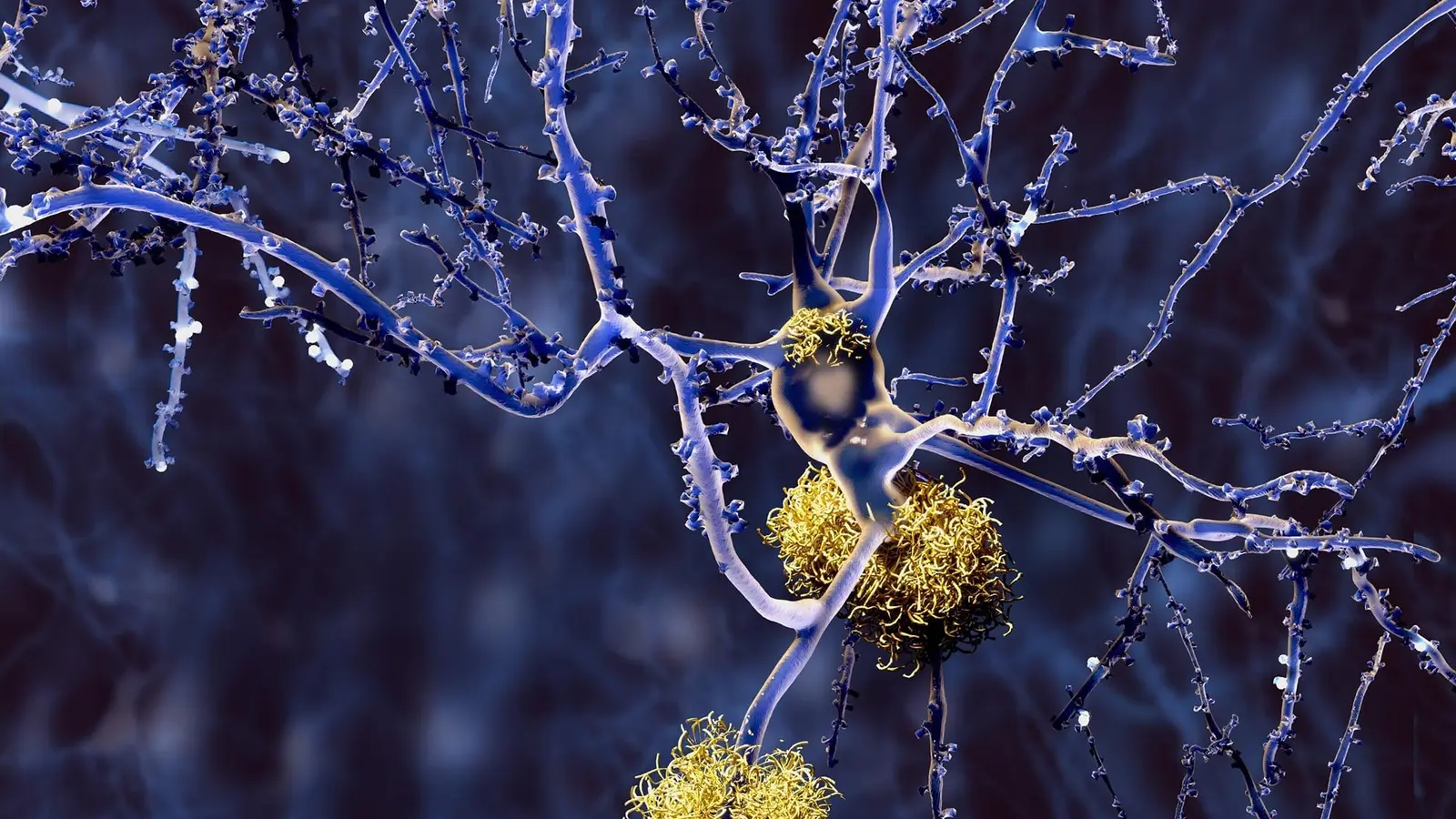
A small gene, a big consequence. That is the blunt takeaway from a new study suggesting a scarcely known Alzheimer’s risk gene, CASS4, may be a key guardian in the brain’s frontline immune defense. When guardians fail, the invaders do not merely linger. They reshape the battlefield.
In Alzheimer’s disease, harmful proteins accumulate in the brain, forming sticky amyloid-beta plaques and tangled tau fibers. These abnormal deposits are associated with damage to nerve cells, disrupted communication between neurons, and progressive cognitive decline.
How CASS4 changes the immune battle in the brain
Most Alzheimer’s headlines focus on neurons and the proteins that kill them. This study shifts attention to microglia, the brain’s resident immune cells. Think of microglia as tidy custodians and frontline sentries: they swarm threats, wall off toxic material, and compress diffuse plaques into denser, less damaging structures. That compaction matters. Compact plaques provoke different biological responses than loose, filamentous deposits.
Researchers at UVA Health used mouse models to test what happens when CASS4 function is impaired. The result was stark. Microglia lost their ability to cluster effectively around amyloid deposits. Plaques grew more aggressive. Nearby neurons showed increased stress and injury. And, importantly for real-world worries, the mice displayed measurable declines in memory-related tasks.
Those experiments point to a mechanism: CASS4 appears to help microglia detect, encapsulate, and compact amyloid-beta. Without it, the brain’s immune containment strategy frays. The gene does not seem to act primarily inside neurons as some had suspected. Instead, it orchestrates immune behavior. That is a crucial refinement of how genetic risk translates into pathology.
Why this shifts the map for research and therapy
Genetic association studies had already flagged CASS4 as linked to Alzheimer’s risk, yet its actual role was a mystery. Filling that gap matters for two reasons. First, it reframes which cell types researchers target when designing interventions. Second, it offers a potential early-warning sign: defective CASS4 activity could show up before rampant neuronal loss and clinical dementia.
The UVA authors observed broad changes in gene expression when CASS4 was disrupted, hinting that its influence may ripple into pathways relevant to other neurodegenerative diseases. That opens a door. Could bolstering microglial containment be a general strategy to slow diverse brain disorders? The idea is gaining traction. Immune modulation in the brain is no longer an exotic sideline. It is emerging as a legitimate therapeutic avenue.
Restoring or amplifying CASS4 function presents several possible paths. One would be direct modulation of microglial signaling cascades to improve plaque compaction. Another would be using CASS4-related changes as biomarkers to detect disease earlier, when interventions have more chance of preserving function. Both routes require rigorous testing in human tissue and clinical trials, but the preclinical data are persuasive enough to move the field toward immune-centered approaches.


John Lukens, PhD, director of UVA’s Harrison Family Translational Research Center in Alzheimer’s and Neurodegenerative Diseases.
Experimental nuts and bolts and remaining questions
Mouse models are powerful but imperfect. They allow precise genetic disruption and longitudinal behavioral testing, yet differences between rodent and human microglia, and between animal models and the human disease timeline, must temper conclusions. Which CASS4 pathways are most amenable to intervention? How early does defective CASS4 activity appear relative to plaque formation? And can therapies enhance microglial protective behavior without triggering chronic inflammation that becomes harmful?
The UVA team is pursuing these lines. They report that loss of CASS4 not only changed microglial positioning around plaques but also altered networks of gene regulation tied to immune signaling. Those downstream shifts may reveal druggable nodes. Meanwhile, the study’s lead student author, Addie Walsh, is moving into pharmaceutical research to continue probing microglial targets in neurodegeneration.
Expert Insight
Dr. Elena Morris, a neuroimmunologist at King’s College London, commented on the study: 'This work elegantly reminds us that Alzheimer’s is not a problem of neurons alone. The immune architecture of the brain shapes how pathology evolves. Identifying genes like CASS4 gives us a molecular handle on that architecture. Translating this into safe, effective therapies will be challenging, but the concept is sound: strengthen the brain’s cleaning crew, and you may limit downstream damage.'
What this could mean for patients and research
The practical implications are still prospective. No drugs targeting CASS4 exist today. Yet the study reframes priorities: immune modulation, biomarker development, and exploration of gene-driven vulnerability become central. For patients and families, that means future therapeutic strategies may aim to preserve microglial competence as a complement to approaches that reduce amyloid or tau burden.
There is also a research-cultural shift at play. For decades, Alzheimer’s studies were neuron-centric. The field is broadening. Combining genetic insights with cellular neuroscience and immunology can produce more nuanced interventions. If CASS4 proves to be an early biomarker, clinicians might one day identify increased risk before cognitive symptoms appear and offer interventions designed to maintain microglial function.
Conclusion
The UVA findings do more than name a gene. They change how we imagine the disease’s progression. CASS4 emerges as a modest but influential actor in the brain’s immune response to toxic proteins. Repairing or augmenting its function could keep plaques contained and slow the cascade toward neurodegeneration. That possibility shifts hope from single-target fixes toward strategies that empower the brain’s own defenders.

“My work centers on sustainability, energy, and environmental science — examining how innovation can lead to a greener future.”

Discussion
Leave a Comment
Comments (2)
Is the CASS4 link really solid in humans? Mouse data is neat but translation is messy, timeline unclear — when does dysfunction start? hmm
wow this blew my mind. a tiny gene steering microglia? if they fail, plaques get worse... scary but kinda cool. hopeful, cautious