
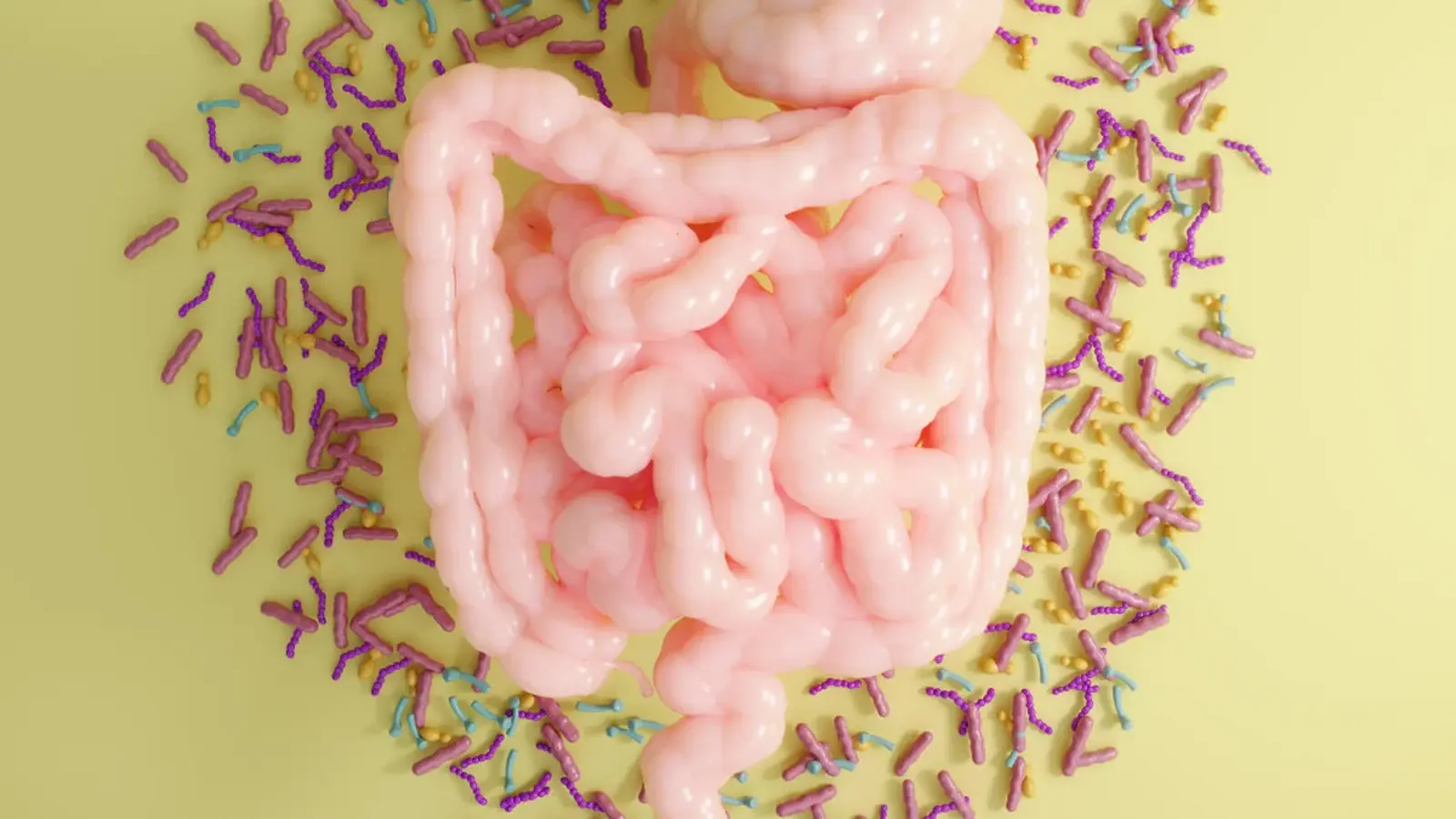
Imagine your gut as a crowded marketplace. Some stalls sell nourishing goods; others hawk products that quietly cause trouble. What you eat determines which merchants thrive.
Two new studies from Princeton’s lab of Joshua Rabinowitz, led with molecular biologist Jenna AbuSalim, pull back the curtain on how plant-derived fiber and a class of plant proteins steer the gut’s chemical output. Published in PNAS and Nature Metabolism, the research tracks how microbial and host cells turn everyday dietary molecules into metabolites that influence health—both positively and negatively.
When diet rewrites microbial chemistry
Not all metabolites are equal. Some help keep inflammation in check and support normal metabolism. Others can damage the gut lining or circulate as harmful signals. The Princeton teams focused on a specific family of small compounds, phenol metabolites, which arise as gut microbes break down aromatic amino acids such as tyrosine and phenylalanine.
The surprising finding was that the same raw ingredients can be diverted into very different metabolite pathways depending on whether the diet supplies fermentable fiber and certain indigestible plant proteins. The researchers coined a practical phrase for one of these nutrient classes: proteins imitating fiber, or Prif. These are plant proteins that resist digestion in the small intestine and reach the colon, behaving like fiber in their interactions with microbes.

How Prif and fiber push chemistry toward health
In mouse studies, diets rich in Prif and fiber tilted metabolite production away from tyrosine-derived phenols, which have been linked to harmful effects, and toward phenylalanine-derived variants that appear more benign or beneficial. Short, decisive sentences work here. Fiber feeds the right microbes. Prif compounds amplify that effect. Together they direct microbial enzymes to produce metabolites that are associated with healthier physiology.
When fiber runs out, however, the microbial economy shifts. Some gut bacteria, deprived of their usual substrates, begin consuming the mucus that coats the intestinal wall. That erosion can release or generate compounds with damaging potential. The Princeton team observed precisely this switch: depletion of fermentable fiber correlated with microbes producing more of the problematic phenol species and with increased mucus foraging.
'Diet is a lever,' Rabinowitz is reported to say about the potential to tune microbiome outputs. 'If we know which foods change which microbial products, we can design more precise interventions.'

Metabolites from unexpected places
Another piece of the puzzle complicates the neat story that all important gut-related metabolites come solely from microbes. AbuSalim and colleagues found that several influential indole metabolites, previously attributed mainly to microbial activity, can also be synthesized by host cells outside the gut. Experiments on cultured cells from mice, rats, and humans produced chemicals such as indole-3-lactate and indole-3-acetate without microbial input. That matters for interpretation: blood levels of these molecules may reflect a mix of microbial production and host metabolism.
Why does this matter beyond academic curiosity? For clinicians and researchers testing therapies that target the microbiome, the origin of a metabolite matters. If the compound can be made by host tissues as well as microbes, then modulating bacterial populations may not change systemic levels as dramatically as expected. Conversely, knowing that diet shifts can selectively amplify beneficial microbial routes opens avenues to nudge the system with food-based strategies rather than drugs alone.
The work points toward a practical future. AbuSalim suggests that Prif content could one day be listed alongside fiber on nutrition labels, guiding consumers and clinicians who want to promote favorable microbial metabolism.
Expert Insight
'These studies are a neat demonstration that nutrients are more than calories or macronutrients,' explains Dr. Leila Moreno, a nutrition scientist unaffiliated with the Princeton team. 'They act as information, telling microbial communities which enzymes to express and which metabolites to prioritize. For public health, that means we should think about the chemical consequences of food, not just the macronutrient breakdown.'
Practical takeaways are immediate. Eating a variety of plants—whole grains, legumes, vegetables, and fruits—provides both fermentable fiber and protein fractions that reach the colon intact. That diversity appears to favor production of metabolites linked to health and to protect the mucus barrier that defends the gut lining.
Conclusion
This pair of studies tightens the link between diet composition, microbial metabolism, and host physiology. They reveal two important threads: first, plant fibers and certain indigestible plant proteins can coax gut bacteria toward producing beneficial metabolites; second, some metabolites thought to be exclusively microbial can originate from host cells as well. The findings refine how scientists should interpret metabolite measurements and how nutrition might be deployed to prevent disease. In short: the food you choose shapes not just your microbiome's composition, but the chemical signals it sends through your body.


“The cosmos has always fascinated me. I write about space missions, astronomy, and the technologies pushing humanity beyond Earth.”

Discussion
Leave a Comment
Comments (2)
Is this even true? If host cells make indole metabolites too, how do you tell if blood levels reflect microbes or host? sounds messy, needs more controls
wow didnt expect 'Prif' to be a real thing. plant proteins acting like fiber? mind blown. gonna eat more legumes, whole grains. curious about human data tho..