

Imagine a child who needs jaw reconstruction but could avoid a second surgery to harvest bone from another part of the body. That thought no longer feels like science fiction. In laboratory models, an experimental biodegradable nanomaterial coaxed the body to rebuild bone more robustly than standard scaffolds, offering a potential route to earlier, less invasive treatment for children born with cleft lip and palate.
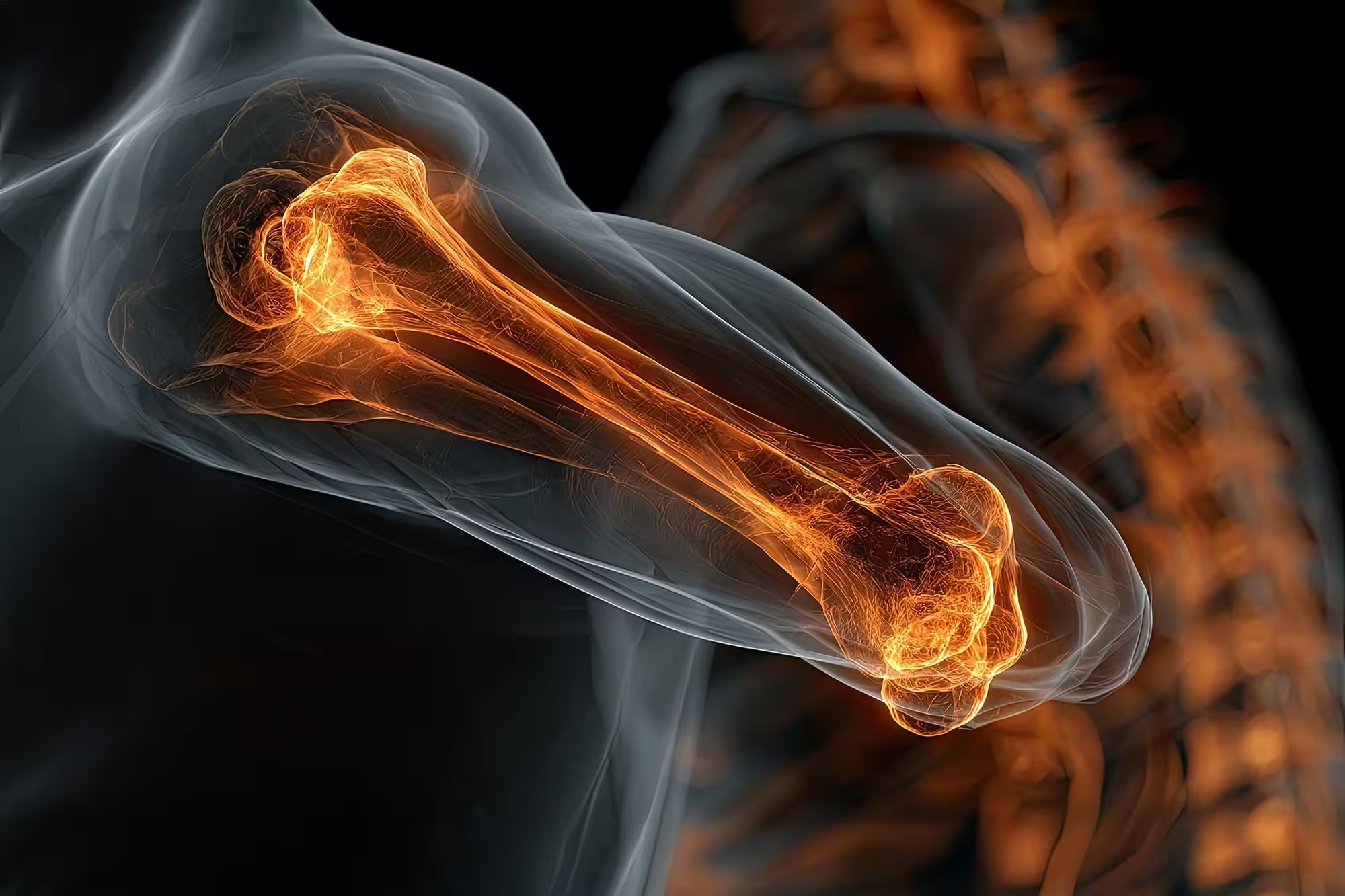
Scientists have developed a biodegradable nanomaterial that stimulates the body’s natural ability to regenerate bone, potentially transforming treatment for children born with cleft lip and palate.
Turning the body’s sleeping repair signals back on
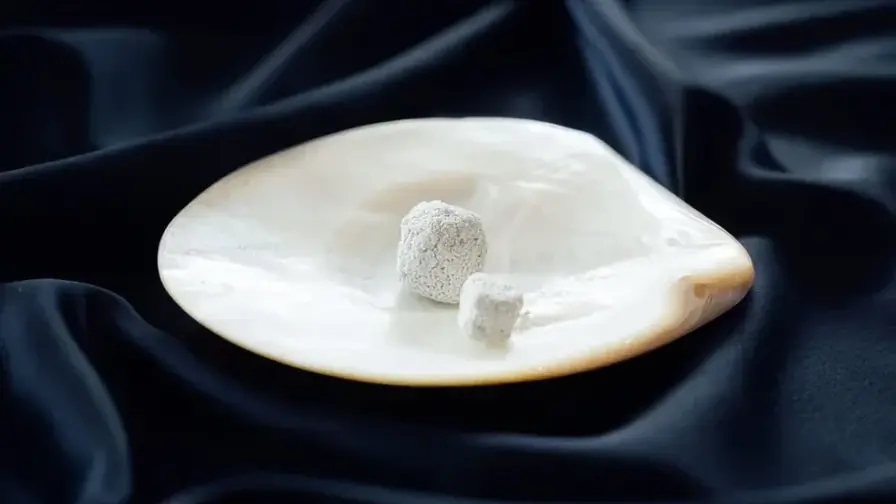
Researchers at the University of Sydney, in partnership with the University of Queensland, have taken a different tack from traditional bone-repair strategies. Instead of delivering external growth factors or relying solely on structural implants, the team engineered a calcium-aluminosilicate nanomaterial that activates one of the body’s dormant repair proteins: latent Transforming Growth Factor beta 1, or TGF-β1.
TGF-β1 usually exists in a silent state, waiting for the right biochemical cues to spur stem cells into action. The new material prompts that activation in situ, attracting stem cells and guiding their transformation into bone-producing cells. As the tissue develops, the scaffold biodegrades, leaving living bone in its place.
Why this matters for cleft reconstruction
Cleft lip and palate affect about one in 700 births worldwide. Beyond cosmetic concerns, these malformations can create gaps in the upper jaw that interfere with breathing, feeding, and speech. Currently, many children must wait until roughly 10 to 12 years of age for surgeons to perform an autologous bone graft, a procedure that removes healthy bone from elsewhere in the body and implants it into the defect.
That delay means years of functional and social challenges during crucial developmental stages. A material that encourages the jaw to regrow its own bone sooner would reduce or eliminate the need to harvest donor bone, lowering surgical burden and potential complications.
What the preclinical data show
In a preclinical bone model reported in ACS Nano, the experimental nanomaterial produced roughly 80 percent more new bone than a control material after eight weeks. The team observed several complementary effects: rapid blood clotting at the injury site within about 30 seconds, a near tenfold increase in activation of latent TGF-β1 compared with conventional approaches, and enhanced recruitment of bone-forming stem cells.
Combining clot stabilization, growth factor activation, and cell recruitment in a single platform is notable. It suggests the scaffold does more than serve as a physical template: it actively orchestrates early wound stabilization and the molecular cascade that leads to bone formation.
Mechanism in plain language
- The calcium-aluminosilicate particles interact with proteins and ions at the wound surface.
- This interaction releases cues that convert latent TGF-β1 into its active form.
- Active TGF-β1 helps draw stem cells to the site and nudges them toward becoming osteoblasts, the cells that build bone.
From lab bench to clinic: hurdles that remain
These early results are promising, but the technology is still in the preclinical phase. Key questions remain: how will the material behave in human tissue over longer timescales, does it provoke unintended immune responses, and can manufacturing be scaled while maintaining safety and consistency?
Regulatory pathways for regenerative biomaterials demand extensive toxicology and functional testing. The team acknowledges the gap between animal models and clinical outcomes. Human skull and jaw anatomy, growth dynamics in children, and individual variability all complicate translation to clinical use.
Personalization and 3D printing as a future direction
One compelling prospect is combining the nanomaterial with personalized 3D-printed scaffolds. A custom scaffold could match the patient’s defect precisely, while the material’s chemistry would stimulate the biological processes that rebuild bone. Such a hybrid approach could be applicable beyond congenital clefts: traumatic bone loss, dental implants, and other difficult-to-heal skeletal defects may benefit.
Researchers also point to the potential for earlier intervention in childhood. If the material can safely promote bone growth in developing patients, it may allow reconstruction at a younger age, reducing years of impaired function and psychosocial stress.
Expert Insight
Dr. Elena Moreno, a fictional pediatric craniofacial surgeon and biomaterials specialist, comments: "Activating endogenous repair pathways is elegant because it leverages what the body already knows how to do. The real challenge will be ensuring controlled activation—enough to form stable bone, but not so much that it causes fibrosis or abnormal growth. If that balance can be achieved, this approach could change how we time and plan reconstructive surgery for children."
Potential broader impacts
Worldwide, more than four million bone repair procedures are performed each year. A shift from donor grafts or animal-derived matrices toward biomaterials that recruit the body’s own regenerative machinery could reduce donor-site morbidity, shrink operative times, and lower long-term care needs. Economically, a successful platform might also cut costs associated with repeat surgeries and long rehabilitation.
Yet practical adoption will hinge on reproducible manufacturing, robust clinical trials, and clear evidence of long-term function. The forthcoming steps will likely include scaled toxicology studies, pilot human trials, and exploration of how the material integrates with living bone during growth.
Conclusion

The University of Sydney and University of Queensland teams have shown a path toward regenerative jaw repair that relies on coaxing the body to heal itself. Early results demonstrate accelerated bone formation and a multifaceted mechanism of action. Careful, rigorous clinical development will determine whether this promise becomes a practical, life-changing option for children with cleft lip and palate and for many others with challenging bone loss.

“My work centers on sustainability, energy, and environmental science — examining how innovation can lead to a greener future.”

Discussion
Leave a Comment
Comments (2)
Is this tested in kids yet? Animal models ok but human growth is tricky, immune reactions could be nasty, and what about longterm integration if that...
Wow, if this actually spares kids from extra surgery, huge deal. But curious about long term effects on growing jaws… hope trials check that.